
Plants
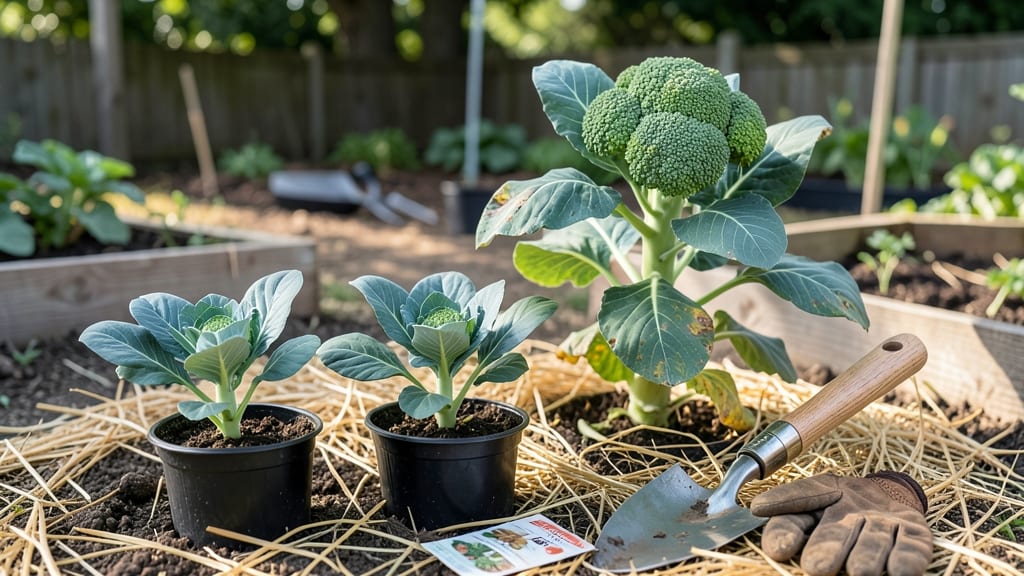
Planting broccoli in Minnesota might seem tricky with its unpredictable springs, but getting the timing right can mean the difference between a thriving 🥦 harvest and a sad, wilted disappointment. The key is understanding your local frost dates and choosing cold-hardy varieties that can handle Minnesota’s 4a-5b climate zones.
Most gardeners in the North Star State wait until April to May for spring planting, but even then, you need to time it perfectly—4-6 weeks before your last frost date—to give your broccoli enough time to mature before summer heat sets in.
And don’t forget about late summer planting for a fall harvest!
I’ve tested the best strategies for Minnesota’s short growing season, from selecting frost-resistant varieties like ‘Waltham 29’ to using row covers for extra protection. Whether you’re a first-time gardener or a seasoned pro, these tips will help you maximize your yield and enjoy homegrown broccoli all season long.
Ready to dive in? Let’s break down the exact weeks before last frost you should plant, the best varieties for your region, and how to extend your harvest—even when Minnesota’s weather tries to throw you for a loop.
Minnesota broccoli planting calendar: exact weeks before last frost by region
Minnesota’s frost dates vary dramatically from the Northland (Zone 3) to Southern Minnesota (Zone 5), making precise timing critical for broccoli success.
The average last frost date ranges from May 10 in the Twin Cities to June 1 in Northern MN, while the first frost arrives as early as September 20 in the North. Planning around these dates ensures your broccoli matures before winter sets in.
For a spring harvest, plant broccoli 4-6 weeks before your last frost date. In Southern MN (Zones 4b-5a), this means sowing seeds indoors by March 15 and transplanting outdoors by April 15.
Meanwhile, Northern gardeners (Zones 3a-4a) should start seeds indoors in late March and transplant after May 1 when soil warms to 45°F.
Don’t overlook fall planting—it’s your ticket to a second harvest!
In Southern MN, sow seeds outdoors in late July (90 days before first frost). Northern MN gardeners can extend this window slightly by using row covers, planting in early August for a September-October harvest before hard frosts hit.
Key frost dates by region (2024 averages):
- Northland (Zone 3): Last frost May 25, First frost September 20
- Twin Cities (Zone 4a): Last frost May 10, First frost October 5
- Southern MN (Zone 5): Last frost April 25, First frost October 15
Use these regional planting windows to align with your local climate. For example, if you’re in Zone 4a (Twin Cities), aim to transplant seedlings by April 15 for a June-July harvest. Miss this window, and you risk bolting (premature flowering) from heat stress or frost damage.
Pro tip: Verify frost dates annually using the MN State University Extension’s Frost Calculator (link in resources). A 5-day delay in last frost can shift your planting window by 2-3 weeks, so flexibility is key.
For example, if your last frost is May 15 instead of May 10, delay outdoor planting by 5 days to avoid frost damage to tender seedlings.
For succession planting, sow new seeds every 2 weeks in spring and 3 weeks in fall to stagger harvests. This ensures you’re always enjoying fresh broccoli without a glut. Pair this with cold-hardy varieties like ‘Waltham 29’ (see next section) to maximize your yield in Minnesota’s unpredictable climate.
Watch for soil temperature—broccoli seeds won’t germinate below 40°F. Use a soil thermometer to confirm readiness. If your soil is too cold, wait until it warms to 45°F or use black plastic mulch to speed up warming.
In Northern MN, this might mean delaying planting until late May.
Remember: Broccoli thrives in cool weather. Planting too early in cold, wet soils risks rot, while planting too late exposes plants to summer bolting. Balance these factors with your local frost dates for the best results.
Best cold-hardy broccoli varieties for Minnesota gardens (with frost tolerance ratings)
Minnesota’s unpredictable springs and early frosts demand cold-hardy broccoli varieties that thrive in USDA zones 3-5. Not all broccoli performs equally—some bolt quickly in heat, while others struggle with cold snaps. The key is selecting varieties bred to tolerate light frosts and cool soil temperatures (down to 40°F).
My top picks balance frost tolerance, yield potential, and disease resistance for Minnesota’s climate.
For early spring plantings, prioritize varieties like ‘Waltham 29’, a classic cold-hardy broccoli that handles 30°F temperatures and produces tight, flavorful heads even in chilly conditions. It’s my go-to for March-April sowings under row covers.
Another standout is ‘De Cicco’, an Italian heirloom that thrives in cool weather and delivers multiple harvests from a single plant thanks to its side-shooting habit.
🌱
🥦 Top Cold-Hardy Broccoli Varieties for Minnesota
If you’re aiming for a late summer or fall harvest, ‘Calabrese’ is my top choice—it handles cool evenings and light frosts better than most varieties. For disease-prone gardens, ‘Packman’ stands out with built-in resistance to clubroot and downy mildew, two common issues in Minnesota’s humid summers.
Avoid heat-sensitive varieties like ‘Green Magic’ or ‘Blue Wind’ unless you’re growing them in shade cloth—they bolt quickly in temperatures above 80°F, which Minnesota summers often exceed. Instead, opt for slow-bolting types like ‘Waltham 29’ or ‘De Cicco’ to maximize your harvest window.
Pro tip: For extended harvests, mix early-maturing varieties (like ‘Waltham 29’) with late-season types (like ‘Calabrese’) in your garden. This ensures you’ll have fresh broccoli from June through October, even with Minnesota’s unpredictable weather shifts.
🌿