
Plants
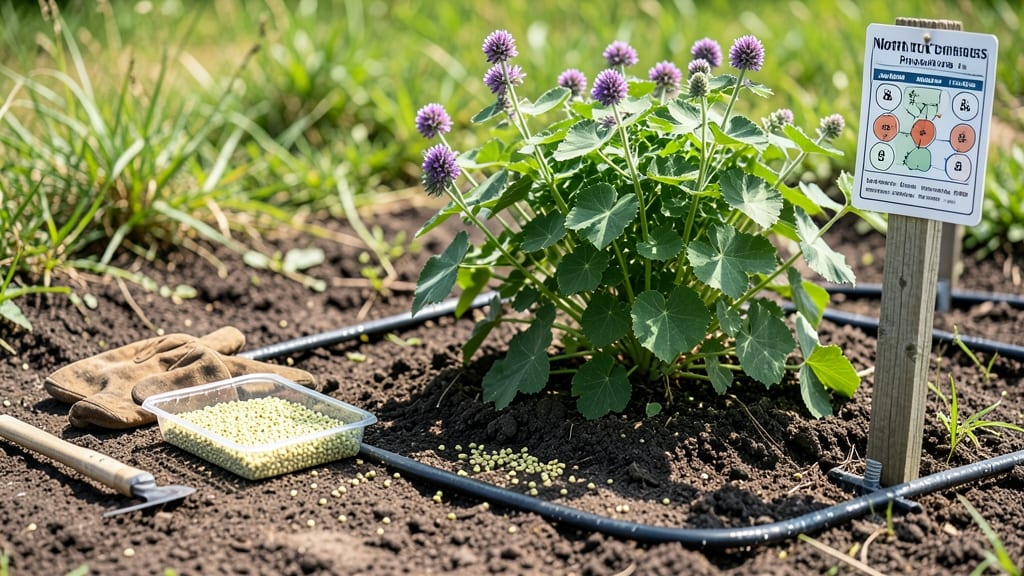
Timing your alfalfa planting in NC right could mean the difference between a lush, thriving crop and a frustrating waste of seeds.
With North Carolina's 7a-8b climate, you've got a narrow window to get those seeds in the ground—typically between March and April for spring or August to September for late summer.
But here's the catch: planting too early when soil temps are still chilly can leave your 🌱 alfalfa struggling, while waiting too long risks summer heat stress.
I'll break down exactly when to plant based on your specific region—whether you're in the mountains, piedmont, or coastal areas—so you can avoid common mistakes and maximize your harvest potential.
Ready to get started? I'll walk you through how to use soil temperature, frost-free dates, and even local weather patterns to calculate your perfect planting window. No more guesswork—just a foolproof system tailored to North Carolina's unique growing conditions.
Let's dive in and make sure your alfalfa gets off to the best possible start this season!
North Carolina alfalfa planting calendar: soil temperature & frost-free deadlines
North Carolina’s diverse climate—from the cool mountain regions to the humid coastal plains—means your alfalfa planting window can shift by weeks depending on where you live. The key is planting when soil temperatures hit 50-60°F and the risk of frost has passed.
In most of NC, this falls between mid-March and mid-April for spring planting, with a second window in late August to September for fall establishment.
Alfalfa is a cool-season crop that thrives in NC’s USDA Zones 7a-8b, but it won’t tolerate freezing temperatures. The last frost typically occurs in mid-March in the piedmont and as late as early April in the mountains.
Coastal areas often see earlier frost-free dates, sometimes by 2-3 weeks. Always check your local NC State Extension Service for precise frost dates.
For the most reliable harvest, aim to plant alfalfa 4-6 weeks before the last expected frost. This gives seeds time to germinate before summer heat arrives.
In the mountains (Zone 7a), this might mean waiting until late April, while coastal gardeners (Zone 8b) can start as early as February in protected microclimates.
Here’s how NC’s three main regions differ:
| Region | Frost-Free Window | Ideal Planting Months | Soil Temp Threshold |
|---|---|---|---|
| Mountains (Zone 7a) | Mid-April to late May | Late April - Early May | 55-60°F (for germination) |
| Piedmont (Zone 7b) | Mid-March to early April | March - Early April | 50-55°F (warmer soils needed) |
| Coastal Plains (Zone 8a-8b) | Late February - March | February - March | 48-52°F (earlier warming) |
Spring planting is the most common approach, but late summer (August-September) offers a second chance for NC gardeners. This fall window works best in Zone 8b (coastal), where temperatures stay mild longer. For mountain regions, stick to spring planting—fall seeds may not establish before winter frost.
Pro tip: Use a soil thermometer to confirm readiness. Alfalfa seeds won’t germinate below 50°F, even if air temperatures are warmer. Wait for consistent 55-60°F soil temps at 2-inch depth before sowing. This often means waiting until mid-April in the piedmont or even early May in the mountains.
If you’re planting for hay production, prioritize spring planting. For grazing or green manure, fall planting can extend your growing season. Just remember: Alfalfa needs 6-8 hours of full sun daily, so choose a south-facing location with well-draining soil to avoid waterlogged roots.
For organic gardeners, consider inoculating seeds with Rhizobium bacteria to boost nitrogen fixation. This is especially critical in NC’s sandy soils, where native bacteria may be lacking. Mix inoculant with seeds before planting for best results.
🌿
How to calculate your exact alfalfa planting window using NC weather data
North Carolina’s diverse climate means your perfect alfalfa planting window depends on your specific county. Unlike one-size-fits-all advice, your exact dates hinge on soil temperature, frost risk, and local weather patterns. Let’s break down how to pinpoint your ideal planting window using free, reliable tools—no guesswork required.
Start by checking your average last frost date using the NC State Climate Office or NOAA’s Frost/Freeze Tool. For most of NC, this falls between mid-March (coastal) and late April (mountains)**.
However, mountain regions like Asheville often see frosts until May 1, while the coastal plain (e.g., Wilmington) may be frost-free by February 15.
📅 Step-by-Step Planting Window Calculator
- Step 1: Visit NC State Climate Office and enter your county to find your average last frost date.
- Step 2: Use a soil thermometer to monitor temperatures. Plant alfalfa when soil reaches 50–60°F at 2-inch depth for 3+ consecutive days.
- Step 3: For late summer planting, aim for August 1–September 15 in most of NC, but adjust for mountain regions (wait until September 1 to avoid early frosts).
- Step 4: Cross-check with your local Cooperative Extension office for microclimate adjustments (e.g., urban heat islands or valley frosts).
Pro tip: If your soil is sandy or low in organic matter, it warms faster in spring. Test it with a thermometer for 3 days before planting—alfalfa seeds need consistent warmth to germinate. In clay-heavy soils, wait until soil reaches 60°F to avoid seed rot.
For organic gardeners, consider using black plastic mulch or straw mulch to warm soil faster in cooler regions. This can shave 1–2 weeks off your planting timeline by raising soil temps by 5–10°F. Just remove mulch after germination to avoid overheating young seedlings.
Don’t overlook irrigation availability when planning. Alfalfa needs consistent moisture for the first 4–6 weeks after planting. If your area experiences summer droughts (common in the piedmont), prioritize spring planting to align with natural rainfall patterns.
Finally, bookmark the NC A&M AgWeather Network for real-time updates. Their 7-day soil temperature forecasts can help you time your planting to avoid unexpected cold snaps—especially critical for mountain and piedmont regions where late frosts are common.