
Plants
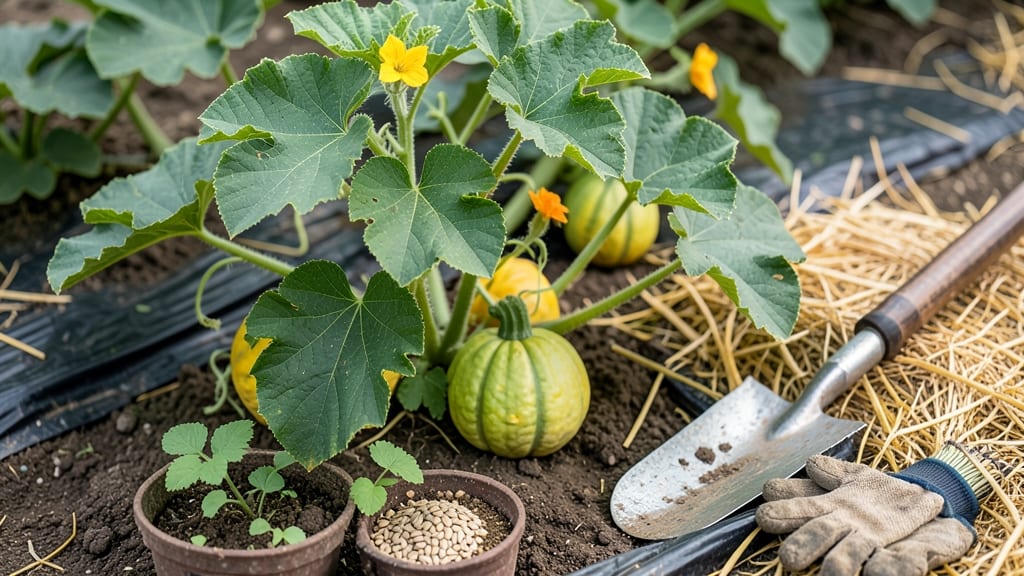
If you're dreaming of a bountiful harvest of acorn squash 🎃 in Florida, timing is the secret ingredient—plant too early, and you risk heat stress; too late, and your vines might fizzle before harvest.
The key lies in Florida's frost-free windows, where soil warmth and humidity work in your favor if you play it right.
Unlike northern gardeners, you don’t have to worry about frost dates here—your real deadline is heat. Acorn squash thrives when soil hits 70°F+, which in Florida means two prime planting seasons: early spring (March-May) for fall harvests and late summer (August-September) for winter crops.
Miss these windows, and you might end up with bitter-tasting squash or stunted growth.
I’ll walk you through the exact months to plant based on your Florida heat zone, plus pro tips to beat the summer heat and maximize your yield. Whether you’re a first-timer or a seasoned gardener, these insights will help you grow sweeter, healthier acorn squash with less guesswork.
Ready to turn your garden into a squash haven? Let’s dive into the planting schedule that actually works for Florida’s climate—no trial and error required.
Florida’s ideal acorn squash planting windows by heat zone
Florida’s frost-free climate means acorn squash thrives year-round—but timing still matters. Unlike northern states, you can grow two harvests: one in fall and another in winter.
The key is aligning planting with soil temperature (70°F+) and heat zone (8A-10A). North Florida (8A-9A) has slightly cooler winters, while South Florida (10A) enjoys year-round growing.
For fall harvests, plant seeds directly outdoors in March-April after nighttime temps stay above 60°F. For winter harvests, aim for August-September to avoid summer’s brutal heat. Transplants can go in 2-3 weeks earlier than seeds for a head start.
Here’s how Florida’s 10 heat zones break down for acorn squash:
| Zone | Best Planting Window | Soil Temp Threshold | Harvest Window |
|---|---|---|---|
| 8A (North FL) | March 15–April 30 | 65°F+ | Oct–Dec |
| 9A (Central FL) | March 1–May 15 | 70°F+ | Sept–Dec |
| 10A (South FL) | Feb 15–April 30 | 75°F+ | Aug–Dec |
| Winter Harvest | Aug 1–Sept 15 | 70°F+ | Jan–March |
*All zones can grow a second crop in late summer for winter harvests.
In North Florida (Zones 8A-9A), wait until mid-March to avoid cool soil, which slows germination. In South Florida (Zone 10A), you can start as early as February for a fall harvest. The August-September window is ideal for winter squash—just beat the 90°F+ heat with shade cloth if needed.
Pro tip: Test soil temperature with a soil thermometer (60°F+ for seeds, 70°F+ for transplants). If your soil is cooler, wait or use black plastic mulch to warm it faster. Florida’s humidity also speeds up germination, so keep seeds moist but not soggy.
For transplants, buy 4-6 week-old seedlings from nurseries and harden them off for 3-5 days before planting. Space them 3-4 feet apart—crowding leads to powdery mildew in Florida’s damp air. Use raised beds in heavy clay soils to improve drainage.
Remember: Florida’s no-frost rule means you can grow year-round, but heat stress in summer and humidity spikes in fall are your biggest challenges. Next, we’ll cover how to beat the heat for bigger, sweeter squash.
How to extend your acorn squash season in Florida’s hot climate
Florida’s summer heat can stress acorn squash plants, but with the right strategies, you can grow them successfully even when temperatures climb above 90°F. The key is balancing shade, water, and mulching to keep plants thriving.
Let’s explore how to beat the heat and extend your harvest window.
First, choose heat-tolerant varieties like ‘Table Queen’ or ‘Sweet Dumpling’—these handle Florida’s humidity better than standard types. Plant them in late summer (August-September) for a fall harvest when temperatures start cooling slightly. This timing lets you avoid the peak heat while still enjoying fresh squash.
Here’s how to protect your plants from heat stress:
For a second harvest, try succession planting in early August after your first batch. This gives you a staggered harvest from October through December, just as Florida’s weather cools. Just remember: acorn squash needs 70-80 days to mature, so plan accordingly.
By combining these techniques, you’ll turn Florida’s heat into an advantage—producing sweeter, healthier squash even in the dog days of summer. Happy growing! 🌿☀️