
Planting
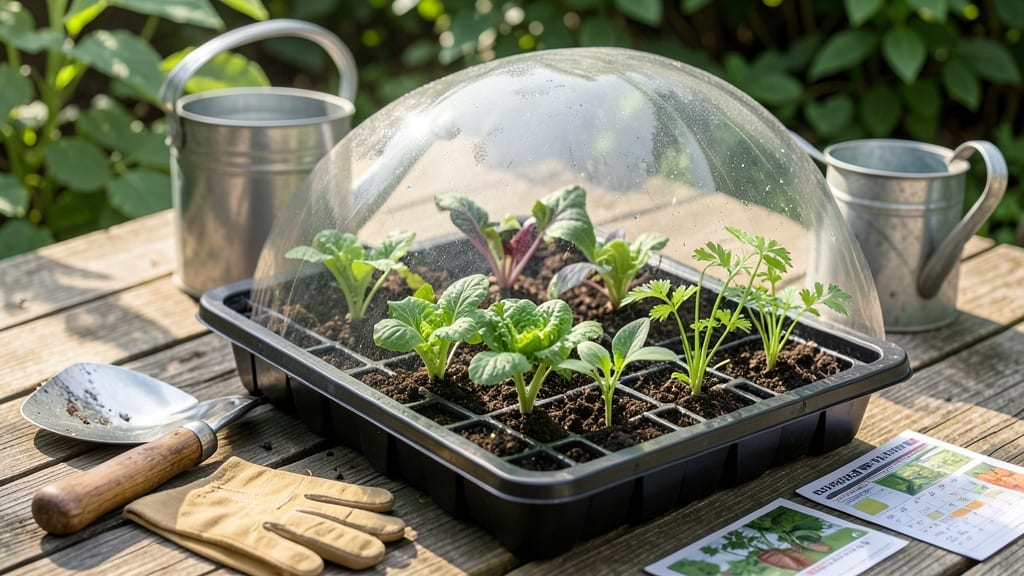
Timing your garden planting perfectly can mean the difference between a thriving harvest and wasted seeds—yet most gardeners miss the best window for their local climate.
Whether you're in USDA Zone 6a or another region, knowing when to plant a garden in your area is the key to avoiding frost damage and maximizing growth.
For most gardeners, spring is the prime planting season, but the exact timing depends on your last frost date. In Zone 6a, that’s typically around April 15, giving you a 165-day frost-free window to work with.
But even within this zone, microclimates—like urban heat islands or sheltered valleys—can shift your ideal planting window by weeks.
What if you want to grow warm-season crops like tomatoes or cool-season greens like kale? The answer lies in understanding your region’s frost patterns and how to extend your growing season.
I’ll show you how to pinpoint the best months for your garden, whether you’re planting 🌱 General Garden or other favorites.
Ready to avoid common mistakes and get your garden off to the right start? Let’s break down the exact steps to determine your planting timeline—so you can enjoy a bountiful harvest all season long.
How to determine your region’s exact planting timeline
Planting your garden at the right time isn’t just about guessing—it’s about understanding your local climate’s frost-free window. Start by finding your USDA hardiness zone (Zone 1-11 in the U.S.), which predicts average minimum winter temperatures.
This zone helps narrow down when to plant cool-season crops like kale or warm-season crops like tomatoes.
Next, locate your last spring frost date and first fall frost date. These dates mark the safest window for planting outdoor vegetables and flowers. For example, in Zone 6a, the last frost typically falls around April 15, while the first frost arrives by October 15.
This gives gardeners a 165-day frost-free growing season—critical for planning.
But here’s the catch: your yard’s microclimate can shift planting times by 2-4 weeks. A south-facing slope warms faster than a north-facing valley, while urban areas often experience urban heat islands that delay frost. Even a pond or large tree nearby can create cooler pockets.
To pinpoint your exact dates, check resources like the National Oceanic and Atmospheric Administration (NOAA) or local cooperative extension services. They provide historical frost data tailored to your zip code. For a quick estimate, subtract 10-14 days from your last frost date to plant warm-season crops safely.
Pro tip: Use frost-sensitive plants like basil or impatiens as frost indicators. If they survive overnight, your risk of frost has dropped significantly. Pair this with a soil thermometer—most seeds need soil temps of 60°F+ to germinate.
🌱
📋 Your Planting Timeline
Best planting months by climate zone: a gardener’s cheat sheet
Planting your garden at the right time depends heavily on your USDA hardiness zone and whether you’re growing cool-season crops like kale or warm-season plants like tomatoes. Even within the same zone, timing can shift by weeks—especially when comparing early spring vs. late summer planting.
Let’s break down the ideal windows for zones 3–11 to maximize your harvest.
For cool-season crops (spinach, peas, lettuce), aim to plant 4–6 weeks before your last frost date. In USDA zones 3–5, this often means March–April, while zones 6–11 can start as early as February.
Warm-season crops (tomatoes, peppers, cucumbers) need soil temps above 60°F, so wait until 2–4 weeks after your last frost—typically May–June in most regions.
🌱
In zones 9–11, you can plant year-round, but avoid extreme heat (above 90°F) for most vegetables. For perennials like herbs or asparagus, plant in early spring (zones 3–8) or fall (zones 9–11) to give roots time to establish before dormancy.
Pro tip: Use succession planting for warm-season crops like beans or lettuce. Start a new batch every 2–3 weeks after the initial planting to ensure a continuous harvest. This works especially well in zones 6–11, where the growing season is longer.
🌿
If you’re in a transition zone (e.g., zone 7b), err on the side of planting slightly later for warm-season crops. Cold snaps can still hit in May, and tender seedlings won’t survive.
For flowers, like marigolds or zinnias, follow the same warm-season rules—direct-sow after your last frost for best results.
💡