
Planting
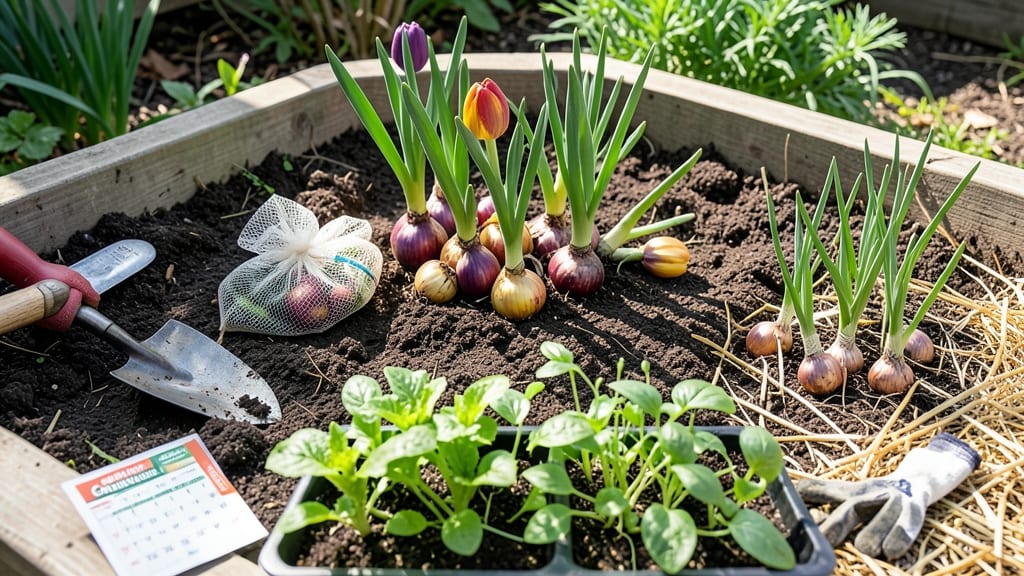
Ohio’s unpredictable frost dates can turn your gardening dreams into a high-stakes guessing game—unless you know the exact microclimate-specific windows for planting. 🌱 Whether you're a first-time gardener or a seasoned pro, timing is everything to avoid turning your seedlings into frost snacks.
The key lies in understanding Ohio’s unique zones and adjusting your planting schedule accordingly.
From the last frost dates in early spring to the ideal summer planting windows, each region has its own rhythm. I’ll break down the best months for everything from cool-season crops like lettuce to warm-season favorites like tomatoes, so you can plan with confidence.
No more second-guessing—just a zero-failure strategy tailored to Ohio’s climate.
But here’s the twist: urban areas and rural spots can differ by weeks, thanks to microclimates. Cities often warm up faster, while rural zones might linger in frost longer. I’ll show you how to adjust your schedule based on where you live, ensuring your garden thrives no matter the location.
Ready to dig into the best planting times for your Ohio garden?
Let’s get started with a simple, foolproof plan that takes the guesswork out of gardening. By the end, you’ll know exactly when to plant, how to prepare your soil, and even how to handle those pesky late frosts. Your most successful garden yet is just a few paragraphs away!
Ohio’s planting zones by month: frost-free timelines for zero-failure success
Ohio’s USDA zones 4-7 create a patchwork of planting opportunities, but knowing the exact frost dates separates successful gardeners from those who lose their tomatoes to April surprises.
The state’s last frost typically ranges from April 15 (southern Ohio) to May 15 (northern Ohio), while the first frost arrives between October 15 and November 1. These dates shift your planting windows dramatically.
For cool-season crops like lettuce, spinach, and peas, you can start seeds 4-6 weeks before your last frost date. In Zone 5 (central Ohio), that means sowing by mid-March indoors or early April outdoors.
Warm-season crops like tomatoes, peppers, and cucumbers need to wait until 2 weeks after your last frost, usually late April to early May.
Here’s the critical rule: Never plant warm-season crops until the soil reaches 60°F (15°C). A soil thermometer is your best friend—cold soil stunts growth.
In Zone 6 (southern Ohio), you might push tomatoes into the ground by April 1, while Zone 4 (northeast Ohio) gardeners should wait until May 10.
Ohio’s microclimates complicate things further. A valley might be 1-2 weeks warmer than a hilltop, and urban areas can be 5-10°F warmer due to the heat-island effect. Always scout your yard for frost pockets—low spots and north-facing areas freeze first.
To simplify, I’ve broken down Ohio’s planting timeline by USDA zone and crop type, including backup dates for late frost years. Use this as your garden’s rulebook—and don’t forget to cover seedlings with frost cloth if Mother Nature throws a curveball.
Now that you’ve got the zone-specific timeline, let’s tackle crop-by-crop specifics. For example, peppers are finicky—they need 70°F soil and 80°F air to thrive.
In Zone 5, that means waiting until mid-May, while tomatoes can handle slightly cooler soil (55°F) and often go in by late April.
Don’t overlook succession planting, either. In Ohio, you can often squeeze in two harvests of bush beans or three of lettuce by planting every 2 weeks from April to July. This maximizes your garden’s productivity without overcrowding.
Finally, Ohio’s first frost signals the end of the growing season, but don’t pack up just yet. Kale, Brussels sprouts, and carrots actually sweeten in cold weather and can be planted as early as late July for a fall harvest.
Mark your calendar for September 15 as the last call for most warm-season crops.
With these zone-specific dates and crop-by-crop guidelines, you’ll avoid the heartbreak of frost-nipped seedlings and instead enjoy a bountiful, timely harvest. Happy planting! 🌱
Microclimate hacks: adjusting planting dates for Ohio’s urban vs. rural frost risks
Ohio’s urban heat islands can make your city garden 2-3 weeks warmer than rural areas just 20 miles away. That means your Columbus neighbor might plant tomatoes in mid-April while your Appalachian cousin waits until late May. Understanding these microclimate shifts is key to avoiding frost damage.
Cities like Cincinnati and Cleveland experience the heat-island effect, where pavement and buildings trap warmth. This can push your last frost date back by 7-10 days compared to surrounding farmland. Meanwhile, wind exposure in rural areas (like Toledo’s flat plains) can delay soil warming by 1-2 weeks.
🌱 Key Takeaway: Adjust planting dates based on your specific microclimate. Urban gardeners can start warm-season crops like peppers and squash 2 weeks earlier than rural areas, while high-elevation spots (like Athens) may need to wait until after Memorial Day.
🌡️ Ohio Microclimate Planting Adjustments
- 🏙️ Urban Areas (Cincinnati, Columbus): Plant warm crops 2 weeks early (e.g., tomatoes by April 25)
- 🌾 Rural/Flatlands (Toledo, Lima): Wait until May 10 for frost safety
- 🏔️ High Elevation (Athens, Youngstown): Delay until May 20 or after last frost
- 🌬️ Windy Regions (Lake Erie): Use row covers to protect seedlings
- 🌿 Heat Islands (Sidewalks/Pavement): Start cool crops (lettuce, spinach) 3 weeks earlier
Pro Tip: Test soil temp with a thermometer—50°F+ is ideal for planting.
For early starts, use black plastic mulch or straw bales to warm soil 5-10°F faster than bare ground. This trick works especially well in colder microclimates like northeast Ohio, where frost can linger into May.
Wind exposure is another game-changer. Areas near Lake Erie or open fields may need windbreaks (like cornstalks or fencing) to protect tender seedlings. Even a 10-mph wind can stunt growth or dry out soil, setting back your planting by 1-2 weeks.
🌿 Actionable Tip: Monitor your local weather station (like NOAA’s) for 3-year frost trends. If your area has had late frosts in 3+ of the last 5 years, wait until after May 15 to plant tomatoes and peppers, even if your neighbors rush in earlier.