
Plants
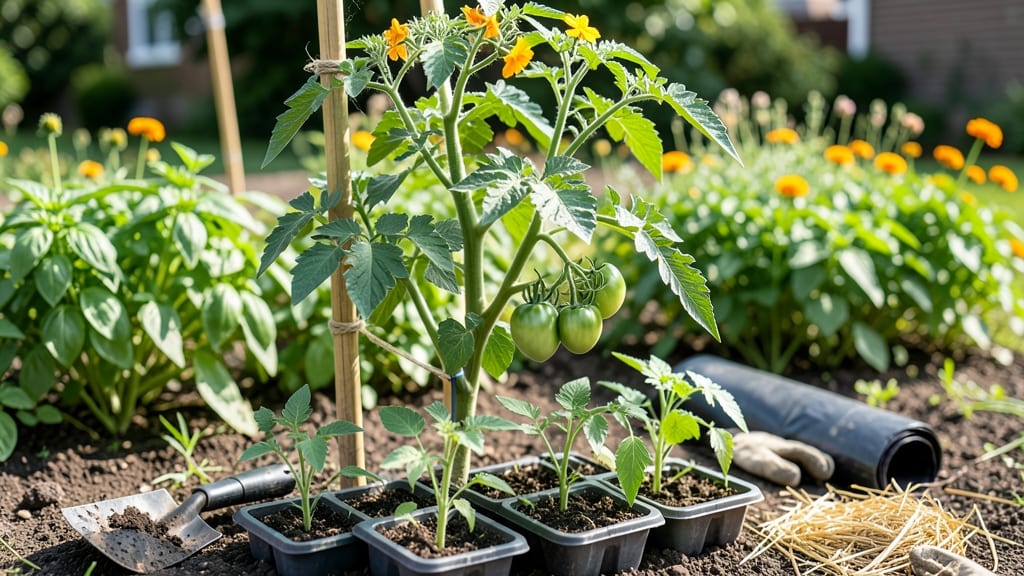
Planting tomatoes in Iowa isn’t just about grabbing seeds and sticking them in the dirt—it’s about beating the clock before late spring frosts strike or sweltering summer heat arrives too soon.
With 78 counties spanning USDA Zones 3b to 5b, your neighbors’ planting dates might not match yours, and getting it wrong could mean watching your 🍅 dreams wither before they even sprout.
I’ve spent years tracking Iowa’s frost patterns, and the truth is, timing matters more than most gardeners realize.
In northern counties like Sioux Falls, you’ll need to start seeds indoors by March 15th to transplant by Memorial Day, while southern Iowa gardeners in Scott County can often wait until April 20th for direct sowing. One week too early or late?
That’s the difference between a bountiful harvest and a sad, stunted plant.
What if you’re new to Iowa gardening—or just want to avoid last year’s mistakes? This guide breaks down the exact county-by-county dates you need, plus how to adjust for soil temperature, microclimates, and even the 30-50-90 day rule for tomato varieties.
Whether you’re a beginner or a seasoned grower, you’ll learn how to sync your planting with Iowa’s fickle weather for tomatoes that thrive from July to October.
Ready to stop guessing and start growing? Let’s dive into the science-backed planting schedule that’ll have your tomatoes beating the heat—and the frost—like a pro. Your first perfect harvest starts here.
Iowa’s tomato planting zones: frost dates by county for perfect timing
Iowa’s diverse climate zones mean your tomato planting window can vary by 3+ weeks from north to south. The key? Knowing your last average frost date and working backward from your chosen tomato variety’s days to maturity.
Northern Iowa’s Sioux County might see frost until May 15, while southern Scott County could be frost-free by April 20. Let’s break down the 30-50-90 rule that’ll save your plants from spring surprises.
First, understand the three critical numbers for Iowa tomato planting: 30 days (indoor seed start), 50 days (transplant window), and 90 days (harvest window).
For example, if your last frost is May 10, you’d start seeds indoors by March 30, transplant by April 20, and expect harvests by July 28. But Iowa’s black soil and microclimates can shift these dates—urban Des Moines often warms faster than rural areas.
Pro Tip: Use the Iowa State University Extension’s frost date maps (linked below) to pinpoint your exact county. For instance, Polk County averages a May 5 frost date, while Fremont County might see frost until May 20. These differences mean your neighbor’s perfectly timed tomatoes could be frost-nipped if you’re just 50 miles north.
Here’s the county-by-county breakdown you’ve been waiting for—planting deadlines based on average last frost dates and early-mid-late maturity varieties:
| County | Avg. Last Frost | Transplant Window | Early Variety Deadline | Mid Variety Deadline |
|---|---|---|---|---|
| Sioux | May 15 | May 1–15 | April 15 | April 25 |
| Polk | May 5 | April 20–May 5 | April 1 | April 15 |
| Scott | April 20 | April 1–15 | March 15 | March 30 |
| Fremont | May 20 | May 10–20 | April 20 | May 1 |
| Story | May 10 | April 25–May 10 | April 10 | April 20 |
How to adjust planting dates for Iowa’s microclimates and soil conditions
Iowa’s diverse soil types and microclimates mean planting dates can vary by 10–14 days even within the same county. For example, black soil regions (like northeast Iowa) warm faster than loamy areas (southwest Iowa), affecting when you can safely transplant seedlings.
Urban areas like Des Moines also experience heat islands, which can push planting dates back by a week or more.
To account for these differences, always check your soil temperature—tomatoes thrive when soil reaches 60°F+. Use a soil thermometer for 3–5 days to confirm readiness. In cooler regions, consider row covers or cold frames to extend your planting window by 2–3 weeks without risking frost damage.
🌱
⚠️ Common Mistake: Planting Too Early
Cold soil (below 55°F) stunts root growth, making plants vulnerable to damping-off disease. In northern Iowa, wait until after May 15 unless you’re using protective covers.
Another key factor is heat unit accumulation. Iowa’s growing season varies from 120 days in the north to 160+ days in the south. Fast-maturing varieties like ‘Stupice’ (60 days) work for short seasons, while ‘Brandywine’ (85+ days) need southern Iowa’s longer summers.
Calculate your growing degree days (GDD) using local weather data to match varieties to your microclimate.
For container gardening in cities, start seedlings indoors 6–8 weeks early since pots warm up faster than garden beds. In rural areas with rich black soil, you can often plant outdoors 1–2 weeks earlier than the county average.
Always monitor your local Iowa State University Extension updates for real-time frost alerts and soil reports.
Pro tip: Test your soil’s drainage before planting. Tomatoes hate soggy roots—amend heavy clay with compost or sand to prevent rot. In sandy soils, mulch heavily to retain moisture and cool roots during Iowa’s hot summer afternoons.
💧