
Planting
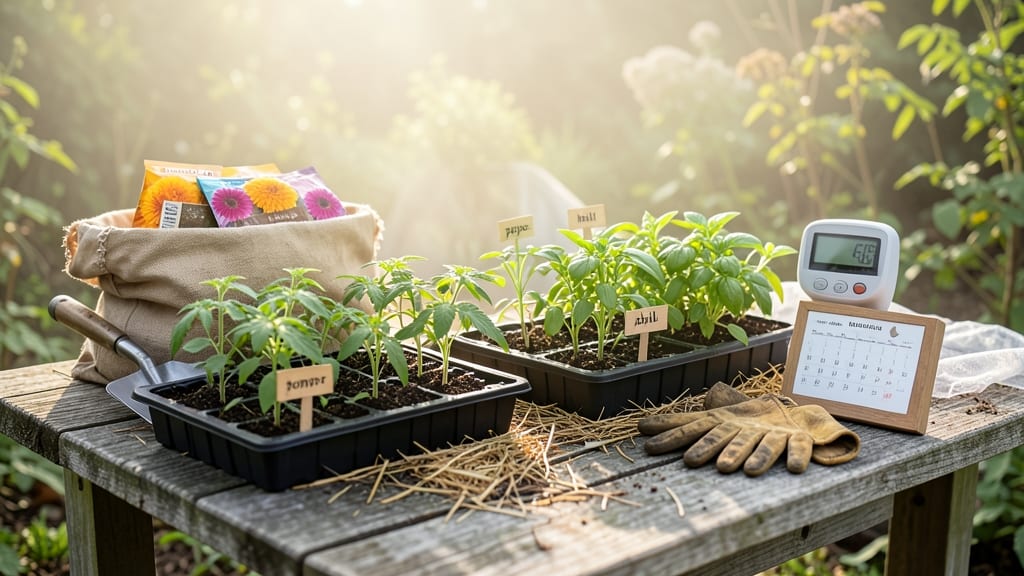
Timing your garden in Washington DC could mean the difference between a thriving harvest and a frost-killed disappointment—yet most gardeners still guess instead of using data-backed planting windows.
With USDA Zone 7b-8a conditions and urban heat islands that push microclimates apart, knowing when to plant isn’t just about calendar dates.
Whether you’re sowing cool-season greens or heat-loving tomatoes, DC’s spring planting window opens between March 15 and April 15, but your exact timing depends on where you live in the city.
I’ve dug into the local frost patterns and neighborhood variations to give you the most precise planting schedule for DC’s five key areas. From downtown’s concrete heat traps to the cooler suburban edges, you’ll discover how to align your garden with nature’s rhythm—without risking a late frost.
Ready to stop second-guessing and start planting with confidence? Let’s break down the exact weeks to plant your 🌱 garden for maximum success in Washington DC’s unpredictable climate.
Washington DC’s frost dates by zone: when to plant cool-season vs. warm-season crops
Washington DC’s gardening success hinges on understanding its USDA Hardiness Zones 7a and 7b, where last frost dates can vary by 3 weeks between urban and suburban areas.
The National Capital Region experiences an average last frost between March 15 and April 15, while first frosts typically arrive between October 15 and November 15. These dates create a 180-day growing window—but microclimates can shift planting by 2–4 weeks.
Downtown DC’s urban heat island effect delays frost by up to 10 days compared to suburban areas like Arlington, VA, or Silver Spring, MD. This means your tomatoes or basil might thrive 1–2 weeks earlier in a south-facing rooftop garden than in a shaded backyard in Takoma Park.
Always adjust your planting timeline based on your exact location.
For cool-season crops like kale, spinach, or peas, start seeds 6–8 weeks before your last frost date. In DC, this translates to mid-February to early March for most areas, but early February in downtown heat pockets.
Warm-season crops like tomatoes, peppers, and cucumbers need to wait until 2 weeks after the last frost, or roughly April 15–May 1, depending on your microclimate.
Here’s how to use this comparison table to plan your garden: align your planting dates with your zone’s frost averages, then adjust for local conditions like soil warmth or wind exposure.
For example, herbs like basil thrive in DC’s heat but won’t survive frost, so plant them after May 15 in most areas.
| Zone/Location | Last Frost Date | First Frost Date | Cool-Season Planting Window | Warm-Season Planting Window |
|---|---|---|---|---|
| Downtown DC (Zone 7b) | March 22–April 5 | October 25–November 5 | February 15–March 10 | April 20–May 5 |
| Northeast DC (Zone 7a) | March 15–March 25 | October 15–October 25 | February 1–February 15 | April 10–April 20 |
| Suburbs (Arlington/Silver Spring) | March 25–April 10 | October 20–November 1 | February 10–March 1 | April 15–April 30 |
| Rural Areas (Frederick, MD) | April 1–April 15 | November 1–November 15 | February 20–March 5 | April 30–May 15 |
Note: Adjust dates 1–2 weeks earlier for south-facing or rooftop gardens.
If you’re planting perennials or trees, aim for late fall (November) or early spring (March) when the soil is workable but not frozen. Bare-root plants like asparagus or rhubarb need to establish roots before DC’s first frost, so plant them 4–6 weeks before October 15.
For vegetable gardens, prioritize succession planting to maximize your harvest. For example, plant lettuce every 2 weeks from March through August—this ensures a continuous supply even if early crops bolt in DC’s 90°F+ heat waves. Always monitor local DC Master Gardener forecasts for real-time adjustments.
One common mistake is planting warm-season crops too early. Even if the air feels warm, soil temperature below 60°F can stunt growth. Use a soil thermometer to confirm readiness—tomatoes and peppers need 70°F+ soil to thrive.
In DC, this usually aligns with late April to early May, depending on your zone.
For herbs like cilantro or dill, which bolt quickly in heat, plant them in early spring or late summer. Cilantro, for example, grows best when temperatures stay below 75°F, so avoid planting it after June 15 unless you’re in a shaded microclimate.
Always choose heat-tolerant varieties like ‘Calypso’ basil for summer planting.
To track your local frost dates, bookmark the National Weather Service DC forecast or use the DC Master Gardeners’ planting calendar. These resources provide hyperlocal adjustments based on recent weather patterns—critical for avoiding late-spring frosts that can wipe out tender seedlings in just one night.
Microclimate-specific planting calendar: DC’s 5 key areas (downtown, northeast, southeast, northwest, suburbs)
Washington DC’s urban heat islands and elevation shifts create planting zones that can differ by 2–3 weeks. Downtown’s concrete jungle stays warmer longer, while suburban areas near Rock Creek Park cool faster. Let’s break down the ideal planting windows for DC’s five distinct microclimates.
Each area has unique soil warming speeds and frost risk timelines. For example, Northeast DC (near Anacostia) often sees its last frost 3–5 days earlier than Southeast DC (near Capitol Hill).
Suburban zones like Arlington, VA or Silver Spring, MD can even push warm-season crops 10 days earlier than downtown.
🌱 DC Microclimate Planting Guide
| Area | Last Frost (Avg.) | First Frost (Avg.) | Tomatoes (Transplant) | Lettuce (Direct Sow) | Herbs (Start Indoors) |
|---|---|---|---|---|---|
| Downtown | April 10 | November 5 | May 1–15 | March 15–April 1 | February 15 |
| Northeast DC | April 5 | October 30 | April 25–May 10 | March 1–March 15 | February 1 |
| Southeast DC | April 15 | November 10 | May 10–20 | March 20–April 5 | February 20 |
| Northwest DC | April 8 | October 25 | April 28–May 5 | March 5–March 20 | February 5 |
| Suburbs | April 3 | October 20 | April 20–April 30 | February 28–March 10 | January 25 |
*Adjust dates 1–2 weeks earlier for raised beds or black plastic mulch.
For cool-season crops like kale or spinach, suburban areas can start 4 weeks earlier than downtown. Meanwhile, warm-season lovers (think tomatoes and peppers) thrive when planted 2 weeks later in Southeast DC due to slower soil warming near the Anacostia River.
Pro tip: Use heat-reflective mulch in downtown beds to mimic suburban soil temperatures. This trick can shave 5–7 days off your planting timeline for heat-sensitive crops like cucumbers or squash.
Always check the DC Master Gardener’s frost forecast (updated weekly) for real-time adjustments. Their free planting guides include hyperlocal tweaks based on recent weather patterns—critical for DC’s unpredictable spring.
🌿