
Plants
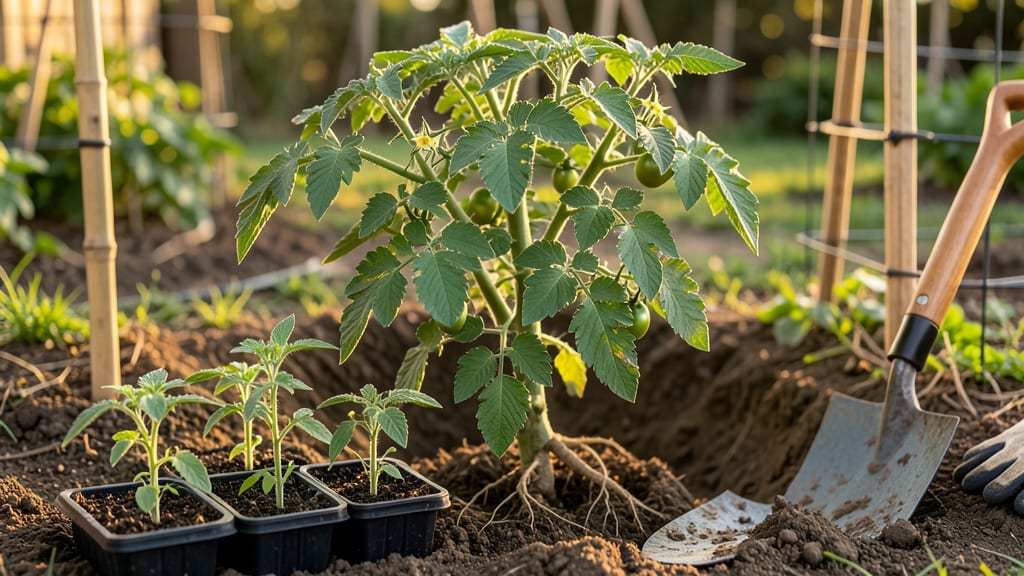
Timing when should you plant the tomatoes in Indiana can make or break your harvest—plant too early and frost will nip your plants, too late and you’ll miss peak summer yields.
With Indiana’s 6a climate and unpredictable spring weather, knowing the exact window to plant is the key to a bountiful garden.
Most Indiana gardeners wait until after the last frost date—typically around April 15—but soil temperature matters just as much. Your tomatoes need warm ground to thrive, so don’t rush the process. I’ll break down the best planting strategies for both in-ground and container gardens to maximize your success.
Whether you’re starting seeds indoors or transplanting young plants, understanding your local microclimate can shave weeks off your growing season. We’ll cover how to adjust for early or late springs, plus the best tomato varieties that thrive in Indiana’s heat and humidity.
Ready to grow juicy, homegrown tomatoes? Let’s dive into the perfect planting schedule so you can enjoy fresh 🍅 harvests from July to September—without the guesswork.
Indiana’s last frost dates by region: best time to plant tomatoes
Indiana’s unpredictable spring weather makes timing critical for tomato success. The average last frost date across the state ranges from mid-April in southern Indiana to late April in northern regions. However, these dates aren’t set in stone—2023 saw frost as late as May 5 in some areas.
To maximize your harvest, align planting with your local USDA zone and historical data.
For Indiana gardeners, the safest rule is to wait until soil temperatures reach 60°F and nighttime temperatures stay above 50°F consistently. Cold soil slows germination and invites disease.
Use a soil thermometer ($10 at garden centers) to verify—tomato seeds need warmth to sprout efficiently. Planting too early risks transplant shock or frost damage to young plants.
Here’s the region-by-region breakdown of Indiana’s last frost dates and ideal planting windows. Remember, early varieties (like 'Stupice') tolerate cooler temps, while heat-lovers (like 'Solar Fire') need warmer soil. Adjust based on your microclimate—urban areas may warm faster than rural spots.
🌱
| Region | USDA Zone | Avg. Last Frost | Plant Window | Notes |
|---|---|---|---|---|
| Southern Indiana (Evansville) | 6b | April 10–15 | April 20–May 5 | Warmest zone; try early varieties like 'Celebrity' |
| Central Indiana (Indianapolis) | 6a | April 15–20 | April 25–May 10 | Standard zone; ideal for most heirlooms |
| Northern Indiana (Fort Wayne) | 5b | April 25–May 5 | May 10–20 | Cooler zone; use row covers for early plants |
| Northwest Indiana (Gary) | 6a | April 15–20 | April 25–May 10 | Lake-effect moderates temps; watch for late frosts |
| Southeast Indiana (Bloomington) | 6a | April 10–15 | April 20–May 5 | Hilly terrain warms faster; great for early planting |
If you’re starting seeds indoors, begin 6–8 weeks before your last frost date. For central Indiana (Zone 6a), that means March 1–15. Use grow lights or a sunny windowsill—tomato seedlings need 12–16 hours of light daily to avoid legginess.
Harden off seedlings for 7–10 days before transplanting to acclimate them to outdoor conditions.
For container gardening, plant 2 weeks later than in-ground tomatoes because pots warm up slower. Choose determinate varieties (like 'Roma') for containers—they stay compact and produce fruit faster.
Place containers in south-facing spots and use black pots to absorb heat. In northern Indiana, delay until May 15–30 to avoid frost.
Pro tip: Monitor local weather via the National Weather Service or Indiana State Climate Office. Sign up for frost alerts—some years, late frosts hit as late as May 10.
If frost threatens after planting, cover seedlings with row fabric or a lightweight blanket. Remove during the day to prevent overheating.
🌿
Once planted, mulch heavily with straw or grass clippings to retain soil moisture and regulate temperature. Tomatoes thrive in 60–85°F soil, so mulch helps maintain ideal conditions.
Avoid planting near corn or potatoes—they share diseases like verticillium wilt. Instead, follow beans, peppers, or lettuce in the rotation for healthier soil.
💧
How to extend your Indiana tomato growing season for bigger yields
Indiana’s short growing season can feel limiting, but with the right strategies, you can push your tomato harvest weeks earlier or weeks later than the average planting window. I’ve tested these methods in my own garden—some require minimal effort, while others demand a bit more planning.
The key is choosing what fits your time, budget, and climate.
For example, using row covers can add 2-3 weeks of protection against late frosts, while cold frames might extend your season by 4-6 weeks on either end. Heat-tolerant varieties like ‘Heatmaster’ or ‘Solar Fire’ also thrive when planted later, giving you a second harvest wave in late summer.
🌱
- ✅ Extends season by 4-6 weeks
- ✅ Protects from light frosts (28°F)
- ✅ Reusable for fall/winter greens
- ✅ Low-cost DIY options
- ✅ Adds 2-3 weeks of frost protection
- ✅ Lightweight and portable
- ✅ Allows pollination (unlike plastic)
- ✅ Budget-friendly ($20-$50)
- ✅ Thrives in 90°F+ temps
- ✅ Late-season harvests August-October
- ✅ Disease-resistant (e.g., ‘Mountain Merit’)
- ✅ No extra hardware needed
- ✅ Warms soil 5-10°F faster
- ✅ Suppresses weeds
- ✅ Extends harvest by 1-2 weeks
- ✅ Costs ~$10-$20 per 100 sq ft
If you’re planting early, focus on soil warming. Black plastic mulch raises soil temperatures by 5-10°F, letting you plant 2-3 weeks sooner without risking cold damage. For late-season extensions, prioritize row covers—they’re easy to remove during daylight hours for pollination while shielding plants overnight.
My top recommendation for beginners? Start with row covers and heat-tolerant varieties. They’re low-maintenance, effective, and give you immediate results. For advanced gardeners, combining cold frames with succession planting can nearly double your harvest window.
🌿
Remember: Even with extensions, avoid planting tomatoes before soil reaches 60°F. Cold soil stunts root growth, and no amount of row covers can compensate for poor soil conditions. Test your soil with a soil thermometer—it’s the best way to time your planting accurately.