
Plants
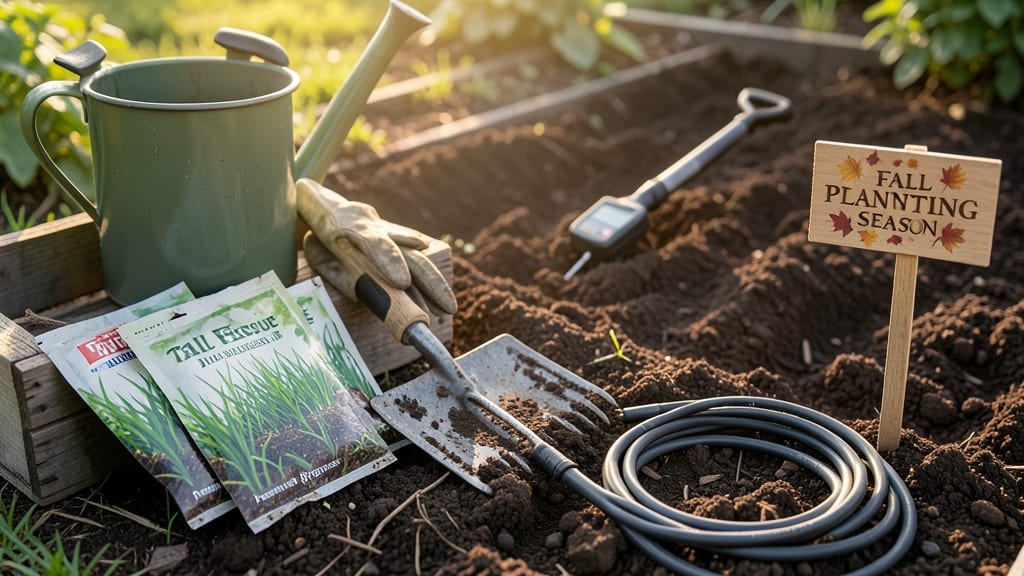
If you've ever stared at a patchy lawn wondering when to plant grass seed in Missouri for that thick, green carpet you crave, timing is the game-changer you're missing.
Missouri's shifting seasons—from icy springs to brutal summers—can make or break your grass's success, and getting it wrong means wasted seed and frustration.
Let me cut through the guesswork: the perfect windows are early spring (after last frost) and fall (before first frost), when soil temps hit 50°F+ and moisture stays consistent. But here's the kicker—spring planting races against summer heat, while fall gives your grass a head start before winter.
I'll show you exactly how to pick the right season for your yard's needs and avoid common Missouri mistakes that leave lawns thin and weak.
You'll discover the fastest germination tricks for Missouri's top grass types, from tall fescue to Kentucky bluegrass, plus a step-by-step soil prep checklist to banish clay compaction and ensure your seed takes root like a pro.
Whether you're seeding a new yard or patching bare spots, these insights will save you time, money, and the headache of redoing work.
Ready to transform your lawn from "meh" to "wow"? Let's dive into the exact planting schedule, soil secrets, and care routines that'll give you that lush, envy-worthy grass—no matter which Missouri zone you're in.
Your future self will thank you when you're sipping lemonade on that perfect green lawn this summer.
Best planting windows in Missouri: spring vs fall germination guide
Missouri’s variable climate makes timing critical for grass seed success. The ideal planting windows are April–May for spring and September–October for fall, but local frost dates and soil temperatures dictate the exact schedule. Northern Missouri’s cooler climate may shift these windows by 1–2 weeks compared to southern regions.
For spring planting, aim for when soil temperatures reach 50°F+ and stay above 60°F during the day. This typically aligns with mid-April to early May in most of Missouri. Fall planting, however, offers a longer window—from late August to mid-October—to establish roots before winter dormancy.
🌱
Fall planting is often superior in Missouri because cooler temperatures reduce weed competition and fungal diseases. Seedlings establish roots before winter, emerging as vigorous, thick lawns the following spring. However, spring planting works well if you miss fall—just be ready to water diligently as summer heat arrives.
Missouri’s northern regions (e.g., St. Joseph) may need to wait until late April due to later frost dates, while southern areas (e.g., Springfield) can start as early as mid-March. Check your local USDA Zone 5b–6b frost data for precision.
For fast germination, prioritize consistent moisture and light coverage (straw or netting). Avoid planting when daytime temps exceed 85°F, as seeds may dry out before sprouting. In Missouri, this means no summer planting—wait for fall or next spring.
🌿
If you’re torn between seasons, fall is the safer bet for Missouri’s climate. The 6–8 week window before frost gives seedlings time to root deeply, while spring planting demands vigilant care to outpace weeds and drought. Test your soil’s moisture retention before committing—clay-heavy areas may need amendments for success.
Remember: Missouri’s microclimates vary. A neighbor’s perfect timing might not suit your yard. Monitor soil temps with a thermometer (available at garden centers) and adjust your schedule accordingly. Patience and preparation pay off with a lush, resilient lawn.
☀️
How to prepare Missouri soil for grass seed success
Preparing your Missouri soil is the foundation for a thriving lawn. Start by testing your soil pH—ideal levels for grass seed range between 6.0 and 7.0. Most Missouri soils lean acidic, so you may need to add lime to adjust the pH before planting.
Use a simple home soil test kit or send a sample to your local University of Missouri Extension office for precise results.
Once you’ve balanced the pH, remove all debris and weeds from the area. Use a broadfork or tiller to loosen the top 4-6 inches of soil, breaking up any clay compaction common in Missouri’s heavy soils.
This step ensures your grass seed makes direct contact with the soil and has room to grow strong roots.
🌱
Use a kit or extension service to check pH (aim for 6.0–7.0).
Clear rocks, weeds, and old plant matter from the area.
Till to 4–6 inches deep to improve drainage and root growth.
Rake to smooth out bumps for even seed distribution.
Spread 1–2 inches of compost to boost nutrients.
After tilling, level the soil with a lawn rake to create a smooth surface. This step is critical for even seed distribution and prevents water pooling, which can drown seeds.
For clay-heavy soils, mix in sand or compost to improve drainage—Missouri’s clay can suffocate young grass roots if not amended properly.
Next, spread a thin layer of compost or starter fertilizer (like a 10-10-10 blend) over the soil. This provides essential nutrients for germination and early growth. For tall fescue or Kentucky bluegrass, which thrive in Missouri’s climate, use a high-phosphorus fertilizer to encourage root development.
Finally, lightly rake the soil again to create a fine, textured surface that helps seeds make contact with the earth. Avoid overworking the soil, as this can bury seeds too deeply.
Once your soil is prepped, you’re ready to sow your grass seed—just follow your chosen planting window for the best results.
🌱