
Planting
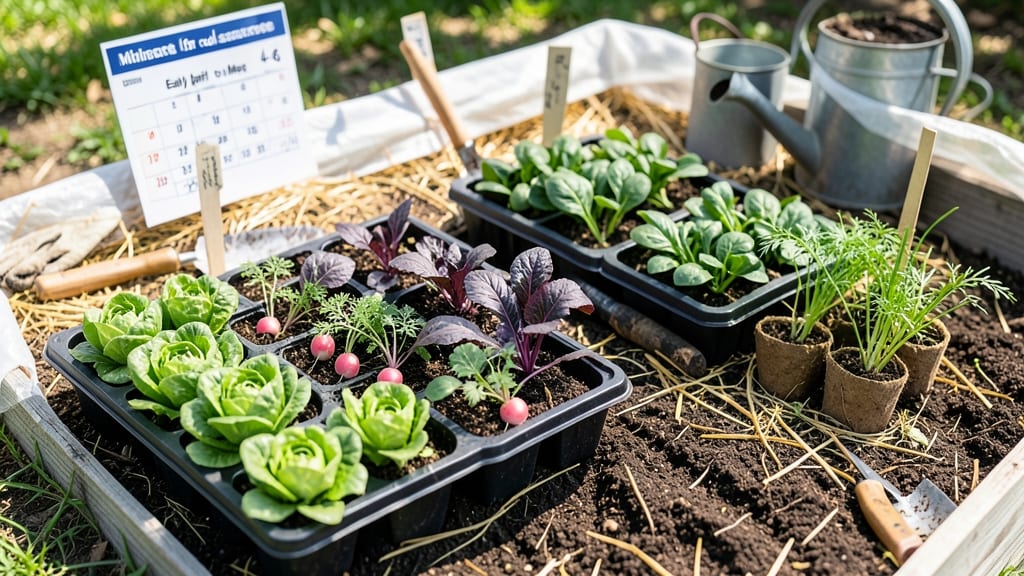
Timing your garden in Michigan isn’t just about luck—it’s about knowing the exact windows to plant for the best harvests, whether you’re growing tomatoes, peppers, or perennials. With frost dates shifting between USDA Zones 4-6 and unpredictable spring weather, getting it wrong can mean wasted effort or lost crops.
But here’s the good news: mastering these planting windows transforms your garden from a gamble into a thriving, productive space.
I’ve spent years tracking Michigan’s unique climate patterns, and what I’ve learned is that spring planting starts as early as March in some regions—but rushing too soon can backfire. The key lies in balancing soil warmth, frost risks, and crop-specific needs, whether you’re sowing seeds indoors or transplanting seedlings.
Let’s break down the best months for each type of plant, so you can avoid common pitfalls and enjoy a garden that delivers all summer and fall.
What sets Michigan apart from other gardening zones? The Great Lakes create microclimates where last frost dates can vary by 2-3 weeks between the Upper and Lower Peninsulas. That means a tomato planted too early in Traverse City might freeze, while the same variety thrives in Kalamazoo if timed right.
I’ll show you how to use local frost data, soil temperature guides, and even simple tools like row covers to extend your growing season—so you’re not left scrambling when summer finally arrives.
Ready to turn your garden into the envy of the neighborhood? We’ll cover everything from early spring crops like peas and spinach to late-summer plantings of beans and squash, plus pro tips for succession planting that keeps your harvests coming.
Let’s get started—your best garden season begins with the right timing.
Michigan’s planting zones & frost dates: the critical timeline for every gardener
Michigan’s gardening success hinges on understanding its USDA Hardiness Zones 4-6 and frost-free windows. The Upper Peninsula (Zone 4) faces earlier springs and shorter summers compared to the Lower Peninsula (Zones 5-6). Knowing your exact last spring frost and first fall frost dates transforms guesswork into a strategic plan.
For example, Detroit (Zone 6) averages its last frost around May 10th, while Traverse City (Zone 5) sees it by May 5th.
These dates aren’t set in stone—Michigan’s lake-effect weather creates microclimates. A garden near Lake Michigan might stay frost-free 2-3 weeks longer than inland areas. Always check Michigan State University’s frost date maps or local weather stations for real-time adjustments.
I’ve learned the hard way that planting tomatoes too early in Zone 4 leads to stunted growth, while waiting too long in Zone 6 risks bolting before harvest.
Here’s the golden rule: Start planting warm-season crops (like peppers and cucumbers) only after soil reaches 60°F (15°C). Cold-hardy crops (spinach, peas) can handle 40°F (4°C) soils. Use a soil thermometer—it’s your best friend for timing.
My 2023 garden thrived because I waited until May 15th for basil, despite the calendar saying “spring had arrived” weeks earlier.
Fall planting follows the reverse logic. Most Michigan gardens can extend harvests until the first frost, which typically arrives between October 10th (Zone 6) and September 20th (Zone 4).
I’ve successfully grown kale and radishes straight through October by using row covers—but only after checking the 10-day forecast for frost warnings.
Pro tip: Bookmark the Midwest Regional Climate Center’s frost maps (https://mrcc.isws.illinois.edu). Their 30-year averages help you plan for early vs. late varieties. For instance, in Zone 5, I plant early-maturing beans (50 days) in late April, while heirloom tomatoes (85 days) wait until June 1st.
Michigan Planting Zones & Frost Timeline
| Zone | Last Spring Frost | First Fall Frost | Frost-Free Days | Key Crops |
|---|---|---|---|---|
| 4 (Upper Peninsula) | May 1–15 | Sep 15–30 | 90–110 days | Peas, spinach, early potatoes |
| 5 (Northern Lower) | Apr 25–May 10 | Oct 1–15 | 120–140 days | Tomatoes, peppers, beans |
| 6 (Southern Lower) | May 1–15 | Oct 15–30 | 140–160 days | Sweet corn, squash, melons |
*Adjust dates 1–2 weeks earlier for lake-effect areas (e.g., Grand Haven, Saugatuck).
Don’t overlook microclimates. A south-facing slope warms up faster than a north-facing yard. I’ve seen strawberries bloom weeks earlier on my sunniest hillside. Use a garden thermometer to track soil temps—50°F (10°C) is ideal for cool-season crops, while 70°F (21°C) is perfect for tomatoes.
My 2022 experiment with early cucumbers failed because I planted them when the soil was only 55°F (13°C)—they rotted before sprouting.
For extended-season gardening, note that Michigan’s USDA Zone 6 areas can sometimes push the envelope. I’ve grown zucchini until October 1st in my Detroit garden by using black plastic mulch to trap heat.
However, in Zone 4, I stick to fast-maturing varieties (like ‘Early Girl’ tomatoes) to avoid frost damage. Always check the seed packet’s “days to maturity” and subtract your frost-free days to avoid disappointment.
One mistake I’ve made? Trusting almanac dates without local data. The Old Farmer’s Almanac suggests planting beans on May 1st, but my Zone 5 garden’s soil was still too cold. Now, I cross-reference with NOAA’s climate normals for my specific county.
For example, Lansing’s average last frost is May 12th, but I wait until May 20th to plant peppers—their germination threshold is 75°F (24°C).
Remember: Frost
Best planting months for Michigan crops: a crop-specific calendar for maximum yield
Michigan’s growing seasons vary dramatically between the Upper Peninsula and Lower Peninsula, so knowing the right planting windows is key. For most gardeners, late April to early June marks the sweet spot for warm-season crops, while March and September work for cold-hardy vegetables.
The Lower Peninsula typically enjoys a 2-week earlier start than the Upper Peninsula, thanks to milder lake-effect climates.
Your last frost date (usually May 10–20 in most regions) is your best friend—plant cool-season crops like spinach and peas 4–6 weeks before this date. For warm-season crops such as tomatoes and peppers, wait until the soil reaches at least 60°F and nighttime temps stay above 50°F consistently.
In Zone 4 areas (common in northern Michigan), this often means late May or early June.
| Crop Type | Best Planting Months | Notes |
|---|---|---|
| Leafy Greens (Spinach, Lettuce) | March–April, August–September | Direct sow 4–6 weeks before last frost or after harvest. |
| Tomatoes & Peppers | May–June (start indoors in March) | Wait until soil is warm; use row covers for early starts. |
| Beans & Peas | April–May (peas) or June (beans) | Peas tolerate light frost; beans need warm soil. |
| Herbs (Basil, Cilantro) | May–June (basil); March–April (cilantro) | Basil bolts in heat; cilantro bolts in warmth. |
| Flowers (Marigolds, Sunflowers) | April–June (direct sow) | Sunflowers need full sun; marigolds deter pests. |
For fall planting, focus on cool-season crops like kale, carrots, and radishes. These thrive when daytime temps drop below 75°F, typically starting in mid-August for a September–October harvest. In Zone 5–6 areas (southern Michigan), you can even squeeze in a late-summer crop of bush beans or lettuce.
Always check your local first frost date (usually October 10–20) to time your last planting.
Don’t overlook succession planting, a Michigan gardener’s secret weapon. By staggering plantings every 2–3 weeks, you ensure a continuous harvest. For example, sow radishes every 10 days from April to August for nonstop harvests.
This works especially well for fast-maturing crops like lettuce, bush beans, and zucchini, which can produce multiple harvests in one season.
If you’re in the Upper Peninsula, lean toward early-maturing varieties—your season is shorter. Look for labels like "Early Girl" tomatoes or "Bush Blue Lake" beans, which mature in 50–60 days.
In the Lower Peninsula, you can afford slightly longer-season varieties, but always have row covers or a cold frame ready for unexpected late frosts.
Pro tip: Use Michigan State University’s Garden Bulletins or the National Weather Service’s frost maps to fine-tune your schedule. These tools account for microclimates (like urban heat islands or lake-effect warming) that can shift your planting window by 1–2 weeks.
With the right timing, you’ll turn Michigan’s short but sweet growing season into a bountiful harvest. 🌱