
Planting
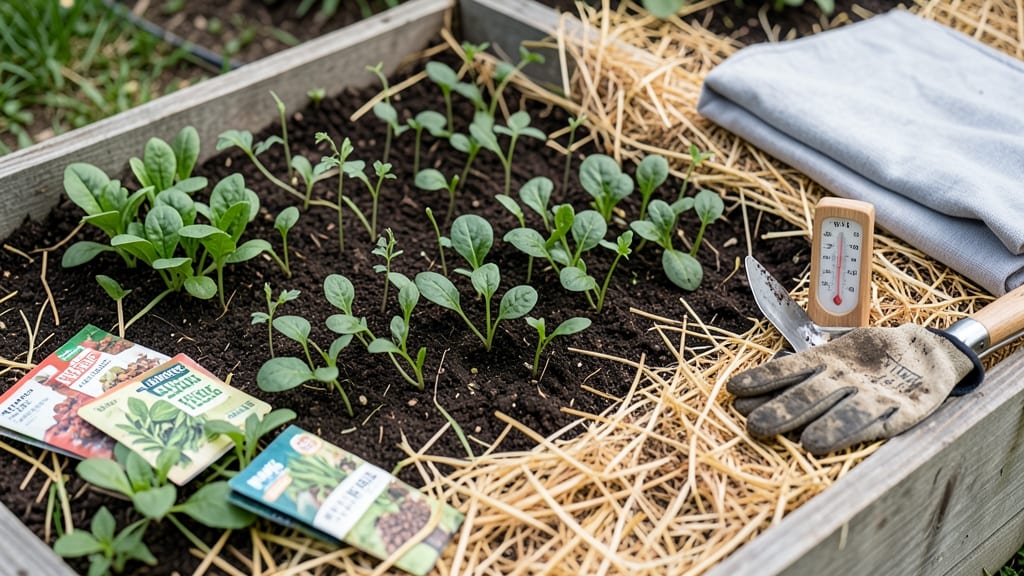
Timing your garden in Michigan isn’t just about luck—it’s about knowing when to plant to beat frost and maximize your harvest. The best time depends on your USDA zone, whether you’re growing cold-hardy peas or heat-loving tomatoes, and even which part of the state you’re in.
With Michigan’s diverse climate—from USDA Zone 4b in the Upper Peninsula to Zone 6b in the southern regions—the wrong timing can mean wasted seeds or stunted plants. I’ve spent years testing what works, and the secrets to success start with understanding your local frost dates and soil conditions.
Let’s break down the exact windows you need to know, from early spring prep to summer succession planting. Whether you’re a beginner or a seasoned gardener, these zone-specific deadlines will help you plant with confidence and avoid common mistakes.
Ready to grow a thriving garden? I’ll show you how to align your planting schedule with Michigan’s unique climate—so you can enjoy fresh produce from June through October without the guesswork.
Michigan’s USDA zone planting deadlines by season (spring, summer, fall)
Michigan’s USDA zones 4b to 6b create dramatic differences in planting timing—just 30 miles apart can mean 2 weeks of frost risk. The key? Knowing your last frost date and first frost date for your specific zone.
In northern Michigan (Zone 4b), spring planting starts 2-3 weeks later than southern Michigan (Zone 6b), where gardeners can plant strawberries in early March.
For most Michigan gardeners, spring planting begins in late April to early May, but cold-hardy crops like peas and spinach can go in as early as March under row covers.
Summer planting focuses on heat-loving crops like tomatoes and peppers, while fall planting extends into September and October for cool-season crops like kale and carrots.
Here’s how to use Michigan’s USDA zone deadlines to plan your garden for maximum yield without frost damage:
| Season | USDA Zone 4b (Northern MI) | USDA Zone 5a (Mid-MI) | USDA Zone 6b (Southern MI) |
|---|---|---|---|
| Spring Planting Window | May 1–15 (after last frost) | April 15–May 1 | March 20–April 15 |
| Last Frost Date | May 10–20 | April 25–May 5 | April 10–20 |
| Summer Planting (Heat-Lovers) | June 1–15 (peppers, tomatoes) | May 20–June 1 | May 1–15 |
| Fall Planting Window | August 1–September 15 | August 15–September 30 | September 1–October 15 |
| First Frost Date | September 20–October 5 | October 10–20 | October 25–November 5 |
🌡️ Pro Tip: Check your exact last frost date using the Old Farmer’s Almanac or local extension office.
If you’re in Zone 4b, wait until after May 15 to plant tomatoes and peppers, as earlier planting risks frost damage.
In Zone 6b, you can start warm-season crops in late April and even extend fall planting into October with row covers. Succession planting (like every 2 weeks for lettuce) maximizes harvests in shorter seasons.
For cool-season crops like broccoli and cabbage, plant 4–6 weeks before your first frost date.
In northern Michigan, that means late July for a fall harvest, while southern Michigan gardeners can plant until early September. Root crops like carrots thrive in cool soil, so spring or fall planting works best.
Michigan’s short growing season (about 120–150 frost-free days) demands smart planning. Use early maturing varieties (like ‘Early Girl’ tomatoes) and succession plant to stretch harvests. For example,
How to extend Michigan’s planting season without risking frost damage
Michigan’s short growing season means every extra day counts. I’ve learned that frost protection can add 3-6 weeks to your planting window—critical for heat-loving crops like tomatoes and peppers. The key is balancing cost, effort, and effectiveness to match your garden’s needs.
Frost dates vary wildly across Michigan’s USDA zones 4b-6b. In zone 4b (Upper Peninsula), you might lose 20-30 days of growing season compared to zone 6b (southern Michigan).
That’s why I’ve tested these methods in my own zone 5b garden—some work miracles, while others are overkill for small plots.
Pros & Cons: Frost Protection Methods
- ✅ Blocks 90% of frost damage
- ✅ Lightweight & reusable
- ✅ Allows sunlight & rain
- ❌ Reduces sunlight by 10-15%
- ❌ Needs stakes or hoops
- ❌ Costs $15-$30 per 100 sq ft
- ✅ Extends season 4-6 weeks both sides
- ✅ Protects from wind & pests
- ✅ Reusable for years
- ❌ Expensive upfront ($100-$300)
- ❌ Heavy & requires assembly
- ❌ Needs ventilation in warm weather
- ✅ Creates microclimate (+10°F)
- ✅ Works for both frost & heat
- ✅ Low-cost ($50-$150)
- ❌ Needs sturdy frame
- ❌ Can overheat in summer
- ❌ Requires daily checks
- ✅ Free or cheap (straw, leaves)
- ✅ Retains soil warmth overnight
- ✅ Suppresses weeds
- ❌ Only adds 2-4°F protection
- ❌ Needs 3+ inches for effect
- ❌ Can decompose too quickly
For maximum protection, I combine row covers over hoops with black plastic mulch under plants. This setup delayed my tomato harvest by 2 weeks last year—enough to avoid a late-summer frost. Start with row covers for lightweight protection, then graduate to cold frames for high-value crops like peppers.
Timing matters too. Remove covers by 10 AM on sunny days to prevent overheating—my basil plants suffered last year when I forgot this rule. And always water plants before evening frosts—moist soil stays warmer longer.
If you’re in zone 4b, consider greenhouse kits ($200-$500) for year