
Plants
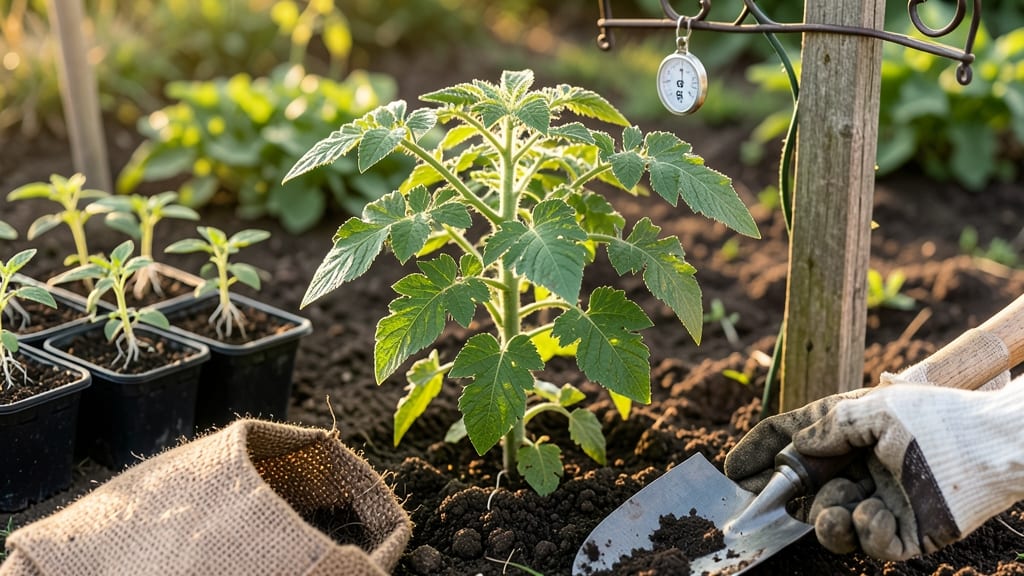
When is the best time to plant the tomatoes in Indiana? Timing your tomato planting in Indiana isn’t just about the calendar—it’s about dodging frost while giving your 🍅 plants the perfect head start. The best window to plant tomatoes in Indiana starts after your last frost date, typically between late April and early June, but getting it wrong means risking stunted growth or lost harvests.
Indiana’s 5b-6b climate zones mean your region plays a big role in when to plant. Northern areas like Gary or South Bend face later frosts, while southern spots like Evansville can start earlier.
I’ll break down exactly when to put seeds in the ground (or seedlings in the soil) so you can maximize your garden’s potential.
Whether you’re growing heat-loving beefsteaks or cool-tolerant cherry tomatoes, choosing the right variety for your microclimate is key. You’ll also learn how to extend your season with row covers or greenhouses—because in Indiana, a few extra weeks of harvest can make all the difference.
Let’s cut to the chase: with the right timing and a few pro tips, you’ll be feasting on homegrown tomatoes from June through October. Ready to turn your garden into a juicy success story?
Indiana’s last frost dates by region: when to plant tomatoes safely
Indiana’s last frost dates vary dramatically by region, making it critical to know your local averages. In Northern Indiana (e.g., Gary, South Bend), the last frost typically hits around April 15–20, while Southern Indiana (e.g., Evansville, Louisville) often sees frost-free conditions by April 1–10.
Central Indiana (Indianapolis, Muncie) falls somewhere in between, with April 5–15 as the general window. Always check local weather reports or use the USDA Plant Hardiness Zone Map (Indiana ranges from Zone 5b–6b) to fine-tune your timing.
For tomato seedlings, the safest rule is to wait until 2–3 weeks after the average last frost date. This gives Mother Nature a buffer against late freezes, which can devastate young plants.
If you’re starting seeds indoors, begin them 6–8 weeks before your target outdoor date—so Northern Indiana gardeners might start in early March, while Southern Indiana can wait until late February or early March. Transplanting too early is a common mistake; seedlings won’t survive if temperatures dip below 50°F.
Here’s how to use frost dates to plan your tomato planting schedule:
🌱 Indiana Last Frost Dates & Planting Windows
| Region | Avg. Last Frost | Safe Planting Window | Indoor Seed Start | Transplant Ready |
|---|---|---|---|---|
| Northern IN (Zone 5b) | April 15–20 | May 1–10 | Early March | April 25–May 5 |
| Central IN (Zone 6a) | April 5–15 | April 25–May 5 | Late Feb–Early March | April 15–25 |
| Southern IN (Zone 6b) | April 1–10 | April 15–25 | Late Feb | April 1–15 |
*Adjust dates 1–2 weeks earlier for early varieties or later for heat-loving tomatoes.
Pro tip: Use black plastic mulch to warm soil faster and extend your planting window by 1–2 weeks. Lay it down 2–3 weeks before transplanting to raise soil temperatures to the ideal 60–65°F range.
This is especially helpful in Northern Indiana, where cool soils delay planting. Pair it with row covers for extra frost protection if you’re eager to plant early.
Another key factor is soil temperature, not just air temperature. Tomatoes need soil that’s at least 50°F for roots to establish, but 60°F+ for optimal growth. Use a soil thermometer to check—if your soil is still chilly, wait a few more days.
In Central Indiana, this often aligns with late April to early May, while Southern Indiana can start as early as mid-April.
For container gardening, timing is even more critical because pots heat up and cool down faster. Move containers to a sheltered spot if nighttime temps drop below 55°F, and use self-watering pots to avoid stress from inconsistent moisture.
In Northern Indiana, delay container planting until mid-May to avoid frost damage.
Don’t forget to account for tomato variety maturity. Early varieties like ‘Stupice’ or ‘Early Girl’ (60–70 days to harvest) can handle shorter seasons, while heirlooms like ‘Brandywine’ (80+ days) need a longer, warmer growing season.
Match your planting date to your variety’s needs—plant early varieties first, then follow with mid- and late-season types.
Finally, keep an eye on the 10-day forecast before transplanting. If nighttime lows are predicted to drop below 50°F in the next week, delay planting or use frost cloth for protection.
Indiana’s weather is famously unpredictable, so flexibility is key—sometimes you’ll need to plant 2 weeks later than planned to avoid disaster.
By aligning your tomato planting with Indiana’s frost dates and soil conditions, you’ll maximize your chances of a bountiful harvest. Start with reliable data, adjust for microclimates (e.g., hills warm up faster than valleys), and always have a backup plan for late frosts.
With the right timing, you’ll be enjoying homegrown tomatoes from July through October! 🌱
Tomato variety heat needs: matching plants to Indiana’s growing seasons
Indiana’s USDA zones 5b-6b mean your tomato varieties must handle cool springs and hot summers. Northern Indiana’s shorter season demands early-maturing varieties, while Southern Indiana’s longer heat wave favors heat-tolerant types.
Choosing the right variety ensures you avoid blight from excess moisture or stunted growth from late frosts.
For Northern Indiana (e.g., Fort Wayne, Gary), opt for 60-70 day varieties like 'Early Girl' or 'Stupice'. These thrive in cooler temperatures and produce fruit before summer’s humidity peaks.
Southern Indiana (e.g., Evansville, Louisville) can handle 80-90 day varieties like 'Celebrity' or 'Better Boy', which ripen later in the season.
| Variety | Days to Maturity | Heat Tolerance | Best For |
|---|---|---|---|
| Early Girl | 58-65 days | Moderate | Northern Indiana, cool springs |
| Stupice | 60-70 days | High (disease-resistant) | All regions, short seasons |
| Celebrity | 70-75 days | Moderate-High | Southern Indiana, longer seasons |
| Better Boy | 80-85 days | High | Southern Indiana, hot summers |
Avoid long-season varieties like 'Brandywine' (90+ days) in Northern Indiana—they won’t ripen before frost. Instead, use cherry tomatoes ('Sweet 100') for early harvests or paste tomatoes ('Roma') in Southern Indiana, where their disease resistance shines in humid summers.
Pro tip: Check seed packets for "days to maturity" and subtract your last frost date. For example, if your last frost is May 1 and you plant 'Early Girl' (60 days), expect harvests by June 30. Adjust for soil warmth—tomatoes need 60°F+ soil to thrive.
For fall harvests, choose heat-tolerant varieties like 'Solar Fire' or 'Heatmaster'. These handle late-season heat and produce fruit even as temperatures dip in September-October. Pair them with season extenders like row covers to push your harvest window even further.
Always harden off seedlings before transplanting—acclimate them to outdoor temps over 7-10 days to prevent shock. This is especially critical in Indiana’s unpredictable spring weather, where a late frost can devastate unprotected plants.