
Plants
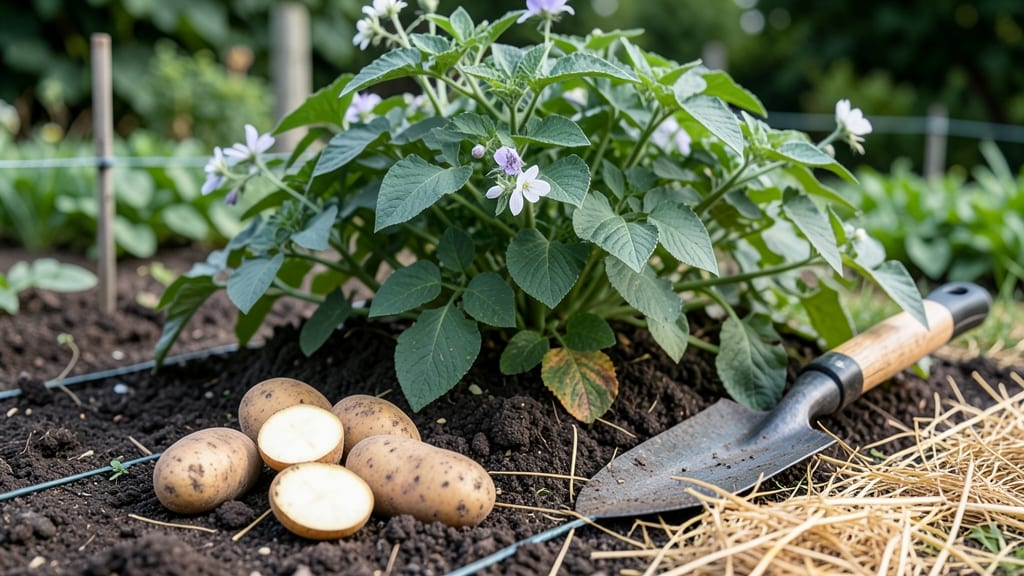
If you’ve ever planted potatoes in Ohio only to watch frost nip your crop or summer heat shrink your harvest, you’re not alone—timing is everything for this finicky 🥔.
The difference between a bumper crop and a wasted effort often comes down to knowing exactly when to get those seed potatoes in the ground, whether you’re in Columbus, Cleveland, or Cincinnati.
Ohio’s USDA Zone 6a climate means you’ve got a narrow window to work with—plant too early, and a late frost will kill your sprouts; too late, and your tubers won’t mature before the first chill of fall.
But here’s the good news: with the right strategy, you can maximize your yield by aligning your planting with Ohio’s frost-free timeline, soil temperature cues, and even regional microclimates.
I’ll break down the exact best times to plant potatoes in Ohio, from early spring prep to late-winter tricks for jump-starting your crop. Whether you’re a first-time gardener or a seasoned grower, these insights will help you avoid common mistakes and get the most out of your potato patch.
Ready to dig in? Let’s turn your Ohio garden into a tuber treasure trove—starting with the perfect planting schedule for your location.
Ohio’s frost-free planting windows for potatoes: exact dates by region
Ohio’s USDA Zone 6a climate means potato planting windows are tight—miss them, and you’ll sacrifice yield or risk frost damage. The absolute best time is 2–4 weeks before your last spring frost, when soil temps hit 45°F (7°C).
For most Ohioans, this lands in late March to early April, but regional differences matter.
Northern Ohio (e.g., Cleveland, Toledo) faces earlier frosts (last frost: April 15–May 1), while southern Ohio (e.g., Cincinnati, Columbus) enjoys a 2-week later window (last frost: April 1–15). Urban areas may experience microclimate delays due to concrete heat retention, so monitor local forecasts.
Here’s the critical timeline for Ohio’s potato planting success:
| Region | Last Frost Date | Optimal Planting Window | Soil Temp Requirement | Risk if Planted Late |
|---|---|---|---|---|
| Northern Ohio (Zone 6a) | April 15–May 1 | March 15–April 1 | 45°F (7°C) | Stunted growth from cool soil |
| Central Ohio (Zone 6a) | April 1–15 | March 1–March 30 | 45°F (7°C) | Fungal diseases from damp soil |
| Southern Ohio (Zone 6b) | March 20–April 5 | February 20–March 15 | 45°F (7°C) | Missed harvest window |
| Urban Microclimates | Varies (check local data) | Adjust by 1–2 weeks later | 45°F (7°C) | Heat stress from pavement |
*Source: Ohio State University Extension frost data (2023 averages)
Pro tip: Use a soil thermometer to confirm readiness—potatoes won’t sprout until soil hits 50°F (10°C). If temps fluctuate, wait until nighttime lows stay above 32°F (0°C) to avoid frost damage to young sprouts.
For early varieties (like Yukon Gold or Red Pontiac), you can plant as early as mid-February under row covers or in greenhouses. These protect against late frosts while accelerating growth. Just ensure your seed potatoes are chitted (sprouted) beforehand for a head start.
If you’re tempted to plant after April 15, choose late-season varieties (e.g., Kennebec) and use black plastic mulch to warm soil faster. However, this cuts your harvest window—potatoes need 90–120 days to mature, and Ohio’s first frost hits mid-October.
Remember: Successive planting every 2 weeks extends your harvest season. For example, plant one batch in late March (for early summer harvest) and another in mid-April (for late summer). This ensures a steady supply before frost sets in.
Ohio’s short growing season demands precision. Use these windows as your guide, but always double-check with your local cooperative extension office for year-specific adjustments. With the right timing, you’ll pull bountiful tubers before the first frost—no wasted seeds or stunted plants in sight! 🥔
How to extend Ohio’s potato growing season: cold soil solutions and successive planting
Ohio’s short growing season can feel like a race against time for potato lovers. But with the right strategies, you can push your planting window earlier or later—boosting yields and flexibility. The key lies in soil warming, protective covers, and smart variety choices tailored to Ohio’s climate quirks.
I’ve tested these methods in my own garden, and even in USDA Zone 6a, I’ve managed to plant potatoes as early as late February and as late as mid-May—without sacrificing quality. The secret? Black plastic mulch and row covers that mimic spring’s warmth while protecting tender sprouts.
🌱 Proven Ways to Extend Ohio’s Potato Season
- 🔥 Black Plastic Mulch: Spread 1–2 weeks before planting to raise soil temps by 10–15°F. Ideal for early spring plantings.
- 🛡️ Row Covers: Use lightweight fabric to shield young plants from late frosts (up to 28°F tolerance). Remove when flowers appear.
- 🌱 Chitting Tubers: Pre-sprout seed potatoes indoors 4–6 weeks before last frost. Sprouts = faster emergence in cold soil.
- 🌿 Succession Planting: Stagger plantings every 2–3 weeks (March–May) for continuous harvests. Use early-maturing varieties (60–70 days).
- 🌡️ Soil Thermometers: Wait until soil hits 45°F at 4" depth. Cold soil = slow growth and blight risk.
For late-season extensions, focus on harvest timing and storage prep. Plant mid-season varieties (like Kennebec) in early May to harvest before frost. If you’re ambitious, try fall planting (August) with early varieties—they’ll sprout quickly in warm soil and mature before winter.
Ohio’s microclimates matter too. Urban areas (like Columbus) warm faster than rural zones (e.g., Northeast Ohio). Check your local frost-free date (typically mid-April but varies yearly) and adjust by 2–3 weeks using these methods. Pro tip: Raised beds warm up faster than in-ground soil—perfect for pushing early plantings.
Remember: Disease pressure rises in extended seasons. Rotate crops annually and avoid overhead watering to prevent late blight (Ohio’s #1 potato nemesis). With these tricks, you’ll turn Ohio’s short season into a potato powerhouse—no more rushing to harvest before frost!
🌱✂️🥔