
Plants
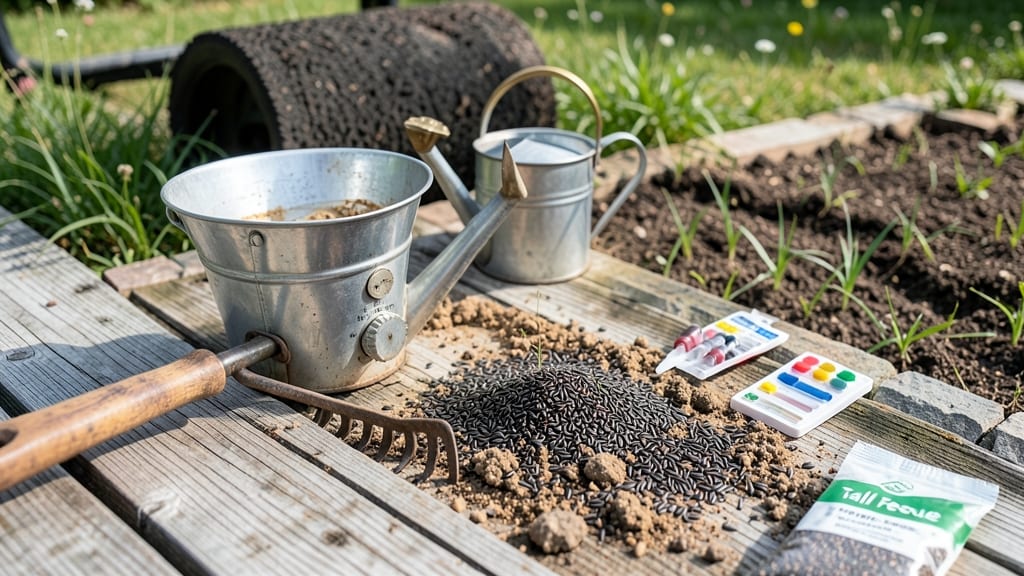
Timing your grass seed planting in Indiana could mean the difference between a lush, green lawn and months of patchy, slow growth. The key isn't just picking a season—it's understanding when soil temperatures and rainfall align perfectly for fast germination, especially in zones 5b-6a.
Too early, and frost will stall your efforts; too late, and summer heat can dry out your new 🌱 before it takes root.
I've seen firsthand how a few weeks can change everything—planting in early spring (March-April) or late summer (September) gives your grass the best shot at establishing strong roots before extreme weather sets in.
But here's the catch: Indiana's climate varies from north to south, so what works in Evansville might not be ideal for Fort Wayne.
What if I told you the fastest way to a thick lawn isn't just about the seed you choose, but when and how you plant it? We're talking soil prep, moisture monitoring, and even the right grass type for your microclimate.
Let me walk you through the exact steps to get it right the first time—no guesswork, just results.
Ready to skip the trial-and-error? You'll discover the best planting windows, how to check soil temps like a pro, and why some months (like May or November) should be avoided unless you're prepared for extra care. Let's get your lawn growing the right way.
Optimal Indiana grass seed planting windows by season: soil temp & rainfall requirements
Indiana’s cool, humid climate creates two prime windows for planting grass seed: early spring and late summer/fall. Timing matters because soil temperatures below 50°F or above 65°F slow germination, while inconsistent rainfall can dry out seeds before sprouting. Let’s break down the ideal conditions for each season.
For spring planting, aim for 4-6 weeks before Indiana’s last frost date (typically mid-April in most regions).
Soil should warm to at least 50°F—check with a soil thermometer or use the back-of-hand test: press your hand into the soil; if it feels cool but not freezing, it’s ready. Rainfall averages 3-4 inches/month in March-April, which helps keep seeds moist.
Fall planting offers the best success rate in Indiana because cooler air temperatures reduce stress on young grass. Plant 6-8 weeks before the first frost (usually mid-October), when soil temps hover between 55°F-65°F. September-October rainfall is typically 2-3 inches/week, perfect for consistent moisture without over-saturation.
⚠️ Critical Note: Avoid planting in summer heat (June-August) when soil temps often exceed 75°F, causing seeds to dry out or sprout unevenly. Even warm-season grasses like Bermuda struggle in Indiana’s summer humidity without proper irrigation.
Indiana Grass Seed Planting Summary
| Season | Best Planting Months | Soil Temp Range (°F) | Rainfall Needs | Key Considerations |
|---|---|---|---|---|
| Spring | March–April | 50–65°F | 3–4" monthly | Cool-season grasses thrive; watch for late frosts. |
| Fall | September–October | 55–65°F | 2–3" weekly | Ideal for root establishment before winter. |
| Avoid | June–August | Above 75°F | Inconsistent | High drought risk; seeds dry out quickly. |
🌱 Pro Tip: Use a soil thermometer to confirm temps before planting—Indiana’s microclimates vary by 5–10°F even within cities!
Northern Indiana (USDA Zone 5b) has shorter growing seasons, so prioritize early spring planting (late March) and early fall (early September). Southern Indiana (Zone 6a) can extend fall planting until mid-October thanks to milder nights. Always check your local Indiana State Climate Office for frost dates.
Rainfall is your biggest ally in Indiana. Aim for 1–1.5 inches of water weekly after planting (including natural rainfall). Use a rain gauge to track moisture—drought stress is the #1 killer of new grass. In dry springs (like 2020), supplement with drip irrigation to keep seeds hydrated.
If you miss the ideal windows, late summer replanting (August) can work for warm-season grasses like Zoysia, but expect slower establishment. Always test soil pH (6.0–7.0) before planting—Indiana’s clay soils often need lime or sulfur adjustments for optimal germination.
For fastest results, combine spring aeration (March) with fall overseeding (October). This two-step approach builds a thicker, drought-resistant lawn by leveraging Indiana’s cool, moist shoulder seasons. Start with Kentucky Bluegrass for shade tolerance or Tall Fescue for heat resistance.
Remember: Seed depth matters. Lightly rake soil to a fine tilth (like crumbs) and cover seeds with ¼-inch of topsoil. Press gently with a lawn roller to ensure seed-to-soil contact—critical for uniform germination in Indiana’s variable weather.
🌿 Final Check: Bookmark your local Cooperative Extension office for real-time updates—Indiana’s microclimates (urban vs. rural) can shift planting windows by 2–3 weeks!
Indiana-specific grass seed variety planting timeline: cool vs. warm season grasses
Choosing the right grass seed variety for Indiana means aligning planting times with your grass type's temperature preferences. Cool-season grasses like Kentucky Bluegrass and Tall Fescue thrive in Indiana's spring and fall, while warm-season Bermuda grass needs summer's heat.
Let's break down the ideal planting windows for each type based on Indiana's USDA Zones 5b-6a.
For cool-season grasses, the best time to plant is early spring (March-April) or late summer/fall (September-October). These grasses establish roots before extreme heat or cold, ensuring faster germination and disease resistance. In northern Indiana, aim for 6-8 weeks before the first frost (typically by mid-September).
Southern Indiana gardeners have slightly more flexibility, with warm-season Bermuda grass thriving when planted in late spring (May-June) after soil temperatures consistently reach 65°F+. This grass type loves heat and stays dormant in winter, making it perfect for sports fields and sunny lawns.
🌱 Indiana Grass Seed Planting Comparison
| Grass Type | Best Planting Window | Soil Temp Requirement | Indiana-Specific Tip |
|---|---|---|---|
| Kentucky Bluegrass | March-April or September-October | 50-65°F | Northern IN: Plant by April 15 for spring |
| Tall Fescue | April-May or August-September | 55-70°F | Southern IN: August planting avoids summer drought |
| Bermuda Grass | May-June (after last frost) | 65°F+ | Use mulch to retain moisture in summer |
If you're planting mix varieties, prioritize cool-season grasses in fall when temperatures drop below 80°F. This gives seeds time to germinate before winter dormancy. For warm-season grasses, avoid planting before May 15—earlier planting risks frost damage to young seedlings.
Pro tip: Check Indiana's weekly soil temperatures via the Purdue Extension website before planting. Aim for consistent 60°F+ for warm-season grasses or 50-65°F for cool-season types. This small step prevents seed rot and ensures even germination.
Remember, overseeding in late fall (November) works for cool-season grasses, but avoid this for warm-season types—they won't survive winter. For shade-tolerant mixes, extend planting to early May when competition from weeds is lower.