
Plants
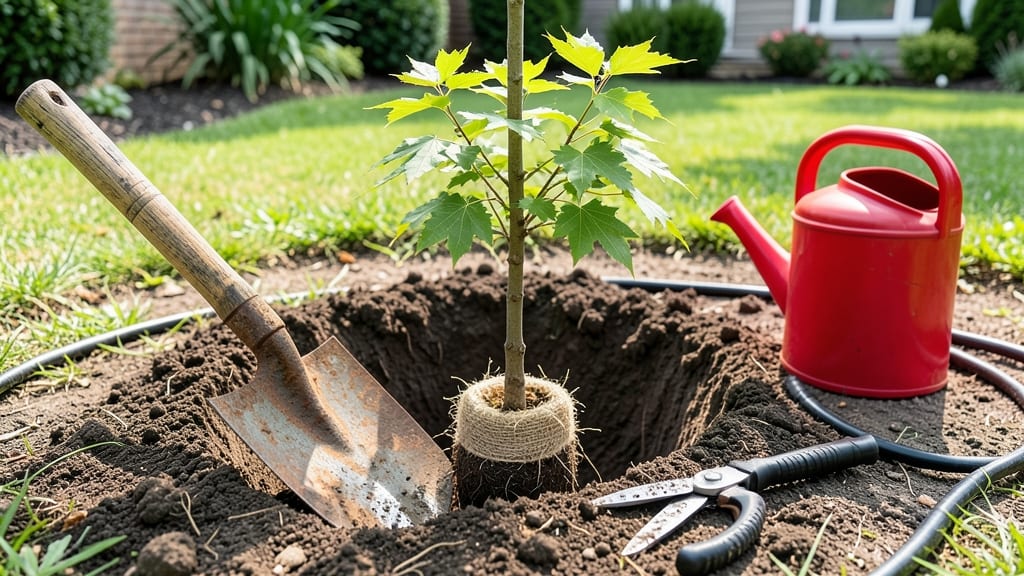
Wondering when is the best time to plant a tree in Iowa? The answer isn’t just about picking spring or fall—it’s about outsmarting Iowa’s unpredictable frost cycles and soil warmth.
Plant too early, and your young 🌳 could get caught in a late freeze. Too late, and roots won’t establish before winter sets in.
Iowa’s 5a-5b climate means timing matters more than you’d think. The ideal window? Late April to early May or September through mid-October, when soil temperatures hit 50°F+ and frost risks fade.
But here’s the catch: not all trees thrive in the same season—fast growers like silver maples beg for spring, while oaks prefer fall’s cooler roots.
Let’s break down the science behind these windows—soil temps, frost dates, and species-specific needs—and show you how to pick the perfect moment for your tree. Spoiler: It’s not just about the calendar.
Ready to plant with confidence? I’ll walk you through Iowa’s best practices, from soil prep to avoiding common mistakes that kill trees before they even take root.
Iowa’s optimal tree planting windows: spring vs fall by soil temperature and frost dates
Iowa’s climate—with its USDA Hardiness Zones 4a–5b and unpredictable frost cycles—demands precision when planting trees. The best planting windows are late spring (April–May) and fall (October–mid-November), but timing depends on soil temperature, frost dates, and tree species.
In Des Moines, for example, average last frost is April 15, while Sioux City can see frost as late as May 10. These differences mean your planting strategy must adapt to your region.
Soil temperature is the critical factor for root establishment. Trees need soil at 50°F or warmer to thrive. In Iowa, this typically occurs by mid-April in southern zones (e.g., Dubuque) but waits until late May in northern areas (e.g., Waterloo).
Planting too early risks root shock from cold snaps, while waiting too long can stress trees before winter dormancy.
Fall planting offers a 6–8 week window before the ground freezes, allowing roots to establish without competing with summer heat. Aim to plant by October 15 in most of Iowa, but early October is safer in colder zones like Zone 4a.
This timing ensures roots harden before winter while avoiding late-season drought stress.
Here’s how Iowa’s two planting seasons stack up:
For bare-root trees, spring planting is ideal—roots wake up with the soil and grow rapidly. Container-grown trees, however, can handle fall planting better due to their established root systems. In Iowa’s clay-heavy soils, amending the planting hole with compost or sand improves drainage and reduces compaction.
Regional microclimates play a role too. In southern Iowa (e.g., Ottumwa), you can plant 2–3 weeks earlier than in northern Iowa (e.g., Mason City). Use USDA frost maps or local nursery advice to fine-tune your timing.
For example, Des Moines averages 165 frost-free days, while Sioux City has only 145.
Pro tip: Test soil moisture before planting. Iowa’s spring rains can make soil waterlogged—wait until it’s moist but not soggy. In fall, aim for 4–6 weeks of dry weather after planting to let roots settle without fungal risks.
If you miss the ideal windows, container-grown trees can be planted in early summer (June) with extra mulch and shade cloth to reduce transplant shock. But bare-root trees planted outside these windows often struggle.
Remember: A tree planted at the wrong time may survive but won’t thrive. In Iowa, patience and preparation—not just the calendar—determine success. 🌳
How to choose the right tree species for Iowa’s planting seasons
Selecting the right tree for Iowa’s climate isn’t just about aesthetics—it’s about survival. Fast-growing silver maples thrive in spring planting because they establish roots quickly before summer heat, while oak trees prefer fall planting to develop deep roots before winter dormancy.
Iowa’s USDA Zones 4a–5b mean some species, like honey locusts, tolerate both seasons, while others, like birches, struggle if planted too late in fall.
Root development is the key factor. Trees planted in fall (September–October) have 6–8 weeks to establish roots before winter, while spring-planted trees (April–May) must contend with summer drought risks.
Native species like bur oaks or redbuds are ideal for fall, as they’re adapted to Iowa’s clay-heavy soils and variable frost dates.
🌱
| Tree Species | Best Planting Season | Root Development Time | Iowa Adaptability |
|---|---|---|---|
| Silver Maple | Spring (April–May) | 4–6 weeks | High (fast-growing, drought-tolerant) |
| White Oak | Fall (September–October) | 8–10 weeks | Very High (native, long-lived) |
| Honey Locust | Spring or Fall | 6–8 weeks | High (adaptable, pest-resistant) |
| Birch (Paper or River) | Fall (September) | 6–7 weeks | Moderate (sensitive to late frost) |
| Redbud | Fall (October) | 7–9 weeks | High (native, early bloomer) |
Drought-tolerant species like honey locusts or bur oaks are perfect for Iowa’s summer heat waves, while moisture-loving silver maples need consistent watering during the first 2–3 years.
If you’re planting in urban areas with compacted soil, consider fast-growing willows or green ash trees, which tolerate poor soil conditions better than oaks or maples.
For fall planting, prioritize species with slow root growth like oaks or serviceberries—these benefit from the cool soil temperatures that reduce transplant shock. In contrast, spring planting works best for rapid-rooters like cottonwoods or poplars, which can outpace summer drought if given enough water.
Always check with local Iowa nurseries for region-specific varieties, as microclimates (e.g., Des Moines vs. Sioux City) can shift optimal planting windows by 2–3 weeks. For example, northern Iowa may have earlier frost dates than southern Iowa, delaying fall planting by up to 3 weeks.
🌳💧