
Plants
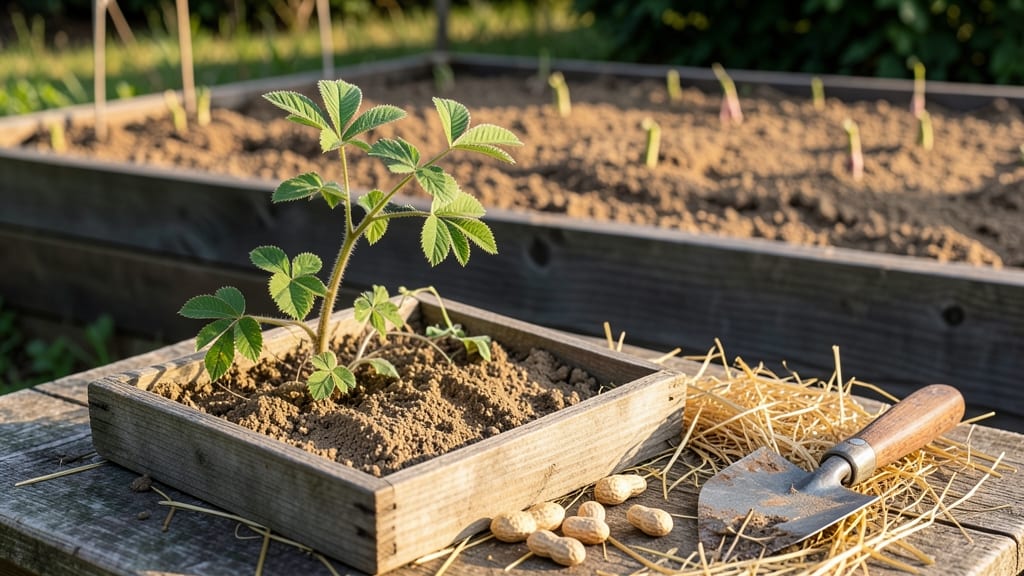
Planting peanuts in Georgia at the wrong time can mean the difference between a bumper crop and a total loss—especially when you're dealing with 7b-8b zones where frost still lingers in March.
The key isn’t just picking a date on the calendar; it’s waiting for soil warmth, avoiding late frosts, and choosing the right variety for your region. Get this timing wrong, and you’ll end up with stunted plants or disease-ridden pods.
Most Georgia gardeners know peanuts thrive in spring, but the exact window—April to May—depends on soil temperature, not just the month. You’ll want to wait until the ground reaches at least 70°F, a threshold that varies by coastal areas (warmer earlier) and inland regions (later).
Skipping this step is how beginners accidentally plant too soon, only to watch their crop fail when frost creeps back.
Here’s what you need to know: the best planting dates, how to test soil warmth, and which peanut varieties perform best in Georgia’s microclimates.
Whether you’re a first-timer or a seasoned grower, these insights will help you time your planting for maximum success—so you can harvest plump, flavorful peanuts by September or October.
Let’s break down the science behind timing, so you can confidently plant your 🥜 crop at the perfect moment—no guesswork required.
Best planting dates for Georgia peanuts based on soil temperature
Peanuts thrive in Georgia’s warm climate, but timing your planting is critical. Unlike cool-season crops, peanuts need soil temperatures of at least 86°F (30°C) to germinate properly. Planting too early risks frost damage, while waiting too long shortens the growing season.
Georgia’s USDA zones 7b-8b create microclimates with slight variations—coastal areas warm faster than inland regions.
The ideal planting window spans from late April to early May, aligning with Georgia’s average last frost date around mid-March. However, soil temperature is the true deciding factor, not just calendar dates.
For example, Wiregrass region soils may hit 86°F by early April, while Piedmont areas might need to wait until late May.
Here’s how to test soil temperature accurately: Use a soil thermometer buried 2 inches deep. Measure at 8 AM and 4 PM for consistency. If temperatures dip below 86°F at night, delay planting. Pro tip: Black plastic mulch can warm soil 2-4°F faster, extending your planting window by 1-2 weeks.
| Region | Ideal Planting Window | Soil Temp Threshold | Key Notes |
|---|---|---|---|
| Coastal (Savannah, Brunswick) | Late April - Early May | 86°F+ (30°C) | Warmer soils; use black plastic mulch |
| Piedmont (Athens, Macon) | Early - Mid May | 86°F+ (30°C) | Wait for consistent warmth; frost risk until late April |
| Wiregrass (Albany, Valdosta) | Early April - Early May | 86°F+ (30°C) | Fastest warming; plant early varieties |
| Northwest (Rome, Dalton) | Mid-May | 86°F+ (30°C) | Latest planting zone; shorter season |
Georgia’s 210 frost-free days give peanuts ample time to mature, but rushing the process leads to poor yields. For example, Tifguard variety needs 120 days to harvest, while Southern Runner requires 140 days. Plant Southern Runner by early May in Piedmont to avoid early fall frosts.
If you’re unsure about your region’s microclimate, check the Georgia Automated Environmental Monitoring Network (GAEMN) for local soil temperature data. Their real-time updates help adjust planting dates dynamically. For home gardeners, a simple 5-day forecast of stable 86°F+ temps is your green light to plant.
Remember: Peanuts are not frost-tolerant. Even a light freeze after planting can kill seedlings. Use row covers if late frosts linger, but remove them once soil warms to avoid overheating. Timing isn’t just about the calendar—it’s about soil science and local climate patterns.
For container growing, extend your season by planting in black pots (which absorb heat) and placing them in full sun. Just ensure pots have drainage holes to prevent root rot—a common issue in Georgia’s humid summers.
🥜
How to avoid common peanut planting mistakes in Georgia’s climate
Planting peanuts in Georgia isn’t just about picking a date—it’s about avoiding critical mistakes that can turn your crop into a flop. One of the biggest errors is planting too early, when soil temperatures dip below 70°F (21°C).
Cold soil slows germination and invites fungal diseases like early leaf spot. Conversely, planting too late shortens the growing season, leaving peanuts underdeveloped by frost. Even experienced gardeners overlook soil moisture, thinking peanuts are drought-tolerant—they’re not during flowering! Let’s fix these before you dig your first row.
Another common blunder is ignoring Georgia’s microclimates. Coastal areas like Savannah can plant earlier (late March to April) than inland regions like Atlanta (mid-April to May). The Wiregrass region’s hotter climate even allows June plantings for late-season varieties.
Without adjusting for these differences, you risk uneven maturity or missed harvest windows. Always check your USDA zone (7b-8b) and local frost data to fine-tune timing.
Here’s the hard truth: Overwatering kills peanuts faster than underwatering. Too much moisture causes root rot and pod rot, while too little stunts peg growth (those underground stems where pods form).
The sweet spot? 1-2 inches of water per week, delivered in the morning to prevent fungal spores from thriving overnight. Use a moisture meter—don’t guess!
⚠️ Warning: Signs You’re Watering Wrong
Overwatering: Yellowing leaves, mushy stems, white mold on soil surface. 💧
Underwatering: Wilting despite moist soil, crispy leaf edges, pegs failing to penetrate soil. 🌱
Fix: Adjust watering immediately—peanuts need consistent moisture, not soggy soil. ☀️
Georgia Extension Service experts stress five pro tips to avoid these pitfalls. First, test soil temperature with a thermometer—peanuts need 86°F+ soil to thrive. Second, plant in rows 36 inches apart to prevent crowding, which spreads disease.
Third, mulch with straw to retain moisture and suppress weeds without smothering pegs. Fourth, rotate crops every 3 years to break disease cycles. Finally, harvest before first frost—even a light frost ruins pods.
Let’s talk soil prep, because poor soil is a silent killer. Peanuts crave sandy loam with a pH of 6.0-6.5. If your soil is clay-heavy, amend it with compost and sand before planting. Skip the fresh manure—it burns tender roots.
Instead, side-dress with balanced fertilizer (10-20-10) at planting and again in 6 weeks. And here’s a secret: Crush the seed coat lightly before planting to speed germination in Georgia’s heat.
Timing your harvest is just as critical as planting. Wait until foliage yellows and dries—this usually happens 120-150 days after planting, depending on variety. Shake plants gently: if pods rattle, they’re ready.
Dig carefully to avoid damaging pods, then cure them in the sun for 3-5 days before storing. Miss this window, and you’ll lose flavor and shelf life. Pro tip: Harvest on a dry day to prevent mold during curing.
Remember, peanuts are delicate—they don’t forgive mistakes like tomatoes or peppers. But master these timing and care tricks, and you’ll enjoy a bountiful, disease-free crop that Georgia’s climate was meant to grow.
Start with soil temperature, double-check watering, and harvest at the first sign of readiness. Your future self (and your taste buds) will thank you! 🥜