
Plants
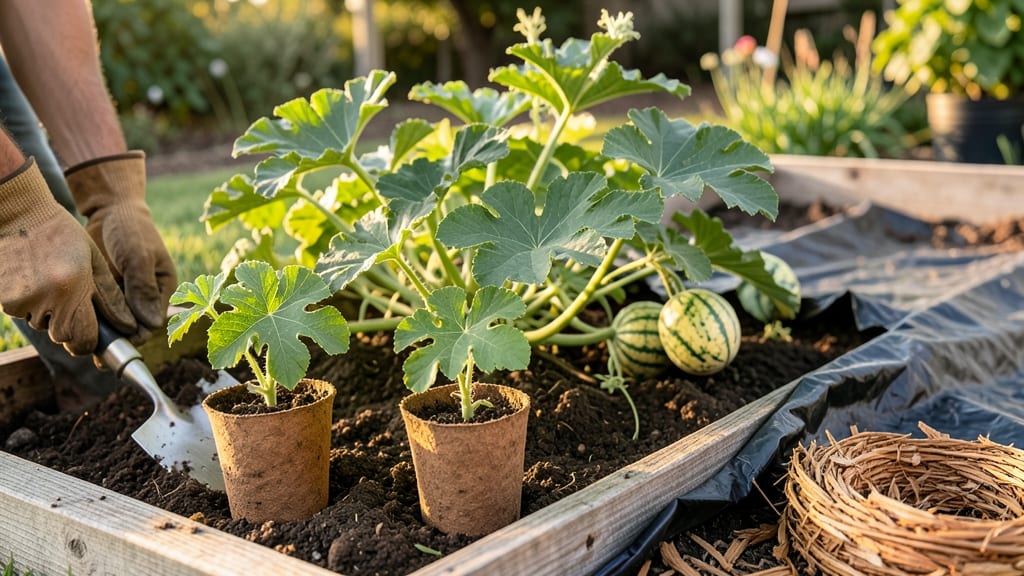
Planning your 🍉 watermelon harvest in Alabama starts with one critical question: when do you plant them to beat the heat and frost? Get this timing wrong, and you might end up with bitter fruit—or worse, no harvest at all.
Alabama’s 7b-8b climate gives you two prime planting windows: mid-April to early June for summer sweets, or late July for a fall surprise. But here’s the catch—soil temperature matters more than dates.
Your seeds need 70°F+ soil to sprout, and waiting for that warmth is the key to avoiding early blight.
Whether you’re a first-time gardener or a seasoned grower, I’ll walk you through the exact frost-free countdown, soil prep secrets, and the best varieties for Alabama’s heat. Let’s turn your patch into a juicy watermelon goldmine this season.
Ready to skip the guesswork? You’ll learn how to time your planting for peak flavor, avoid common pitfalls, and even extend your harvest with pro tips. No more wasted seeds—just sweet, homegrown success.
Alabama watermelon planting timeline by soil temperature & frost dates
Alabama gardeners know timing is everything when planting watermelons—especially in a state with USDA Zones 7b-8b and dramatic temperature swings. The key to success lies in understanding your last frost date and waiting until the soil warms to at least 70°F.
In North Alabama, this typically means waiting until mid-April to early May, while South Alabama gardeners can start as early as late March.
Watermelons are heat-loving annuals that despise cold soil, so rushing the planting process can lead to poor germination or stunted growth.
The average last frost date in Alabama ranges from mid-March in Mobile to late March in Birmingham, but don’t let those dates fool you—soil temperature is more critical than air temperature for watermelon success.
For a spring harvest, aim to plant watermelon seeds 2-3 weeks after your last frost date, once the soil consistently stays above 70°F. This usually lands between mid-April and early June across most of the state.
If you’re targeting a fall harvest, late July plantings can yield fruit before the first frost hits in mid-November.
🌱 Alabama Watermelon Planting Timeline
| Region | Last Frost Date | Ideal Planting Window | Soil Temp Requirement | Harvest Window |
|---|---|---|---|---|
| North Alabama (Huntsville) | Late March | Mid-April to early May | 70°F+ | July - early September |
| Central Alabama (Birmingham) | Mid-March | Late March to early April | 70°F+ | June - August |
| South Alabama (Mobile) | Early March | Late February to March | 70°F+ | May - July |
| Fall Planting (Statewide) | N/A | Late July | 70°F+ | October - November |
💡 Pro Tip: Use a soil thermometer to confirm your soil is ready—watermelons won’t germinate in cold soil, no matter how warm the air feels.
If you’re eager to get a head start, consider transplants from a local nursery instead of direct sowing. Many Alabama garden centers offer watermelon seedlings in early May, giving your plants a 2-3 week growth advantage.
However, be cautious—transplants can experience transplant shock if moved too early, so only opt for this method if your soil is truly ready.
For gardeners in North Alabama, where nights can still dip into the 50s°F even in May, use row covers or black plastic mulch to warm the soil faster. This technique can shave off 1-2 weeks from your planting timeline, helping you reach that critical 70°F soil temperature sooner.
One common mistake I see Alabama gardeners make is planting too early in hopes of an earlier harvest. Cold soil slows germination, making seedlings vulnerable to damping-off disease.
Always wait for soil to warm naturally—there’s no shortcut that won’t compromise your plants’ health. Patience here pays off with stronger vines and bigger fruit later in the season.
If you’re targeting a fall harvest, late July plantings work well in most of Alabama,
Alabama watermelon planting timeline by soil temperature & frost dates
Alabama’s USDA zones 7b-8b offer a 210-240 day frost-free window—perfect for watermelons. But timing matters! Plant too early, and cool soils stunt growth. Wait too long, and late-season heat stresses plants. Let’s break down the exact planting windows for North vs. South Alabama.
First, check your last average frost date. North Alabama (e.g., Huntsville) typically sees frost until mid-March, while South Alabama (e.g., Mobile) stays frost-free by mid-February. For both regions, soil temperature is the real game-changer—watermelons need 70°F+ soil to germinate.
🌱 Key Takeaway: Use a soil thermometer ($10 at garden centers) to confirm warmth. If your soil hits 70°F by mid-April, you’re ready for North Alabama. South Alabama gardeners can start as early as late March.
| Region | Last Frost Date | Ideal Planting Window | Soil Temp Threshold | Harvest Window |
|---|---|---|---|---|
| North Alabama (Zones 7b) | Mid-March | Mid-April to early May | 70°F+ (use black plastic mulch to warm soil faster) | July–September |
| Central Alabama (Zones 7b-8a) | Early March | Late March–April | 70°F+ (natural warming by April) | June–October |
| South Alabama (Zones 8a-8b) | Mid-February | Late March–early April | 68°F+ (earlier germination possible) | May–November |
Pro tip: For a fall harvest, sow seeds in late July (North AL) or early August (South AL). This gives vines time to mature before first frost (mid-November). Choose heat-tolerant varieties like ‘Crimson Sweet’ or ‘Sugar Baby’ for late-season planting.
Watch for Alabama’s unpredictable weather. A late frost in April? Wait until after May 1 for North Alabama. Heatwave in June? Mulch heavily to retain moisture and prevent blossom-end rot. Adjust your planting date 2 weeks earlier or later based on your local microclimate.
Need a backup plan? Start transplants indoors in March (use grow lights) and move them out after last frost. Just be gentle—watermelon roots are sensitive to disturbance. 🌱