
Plants
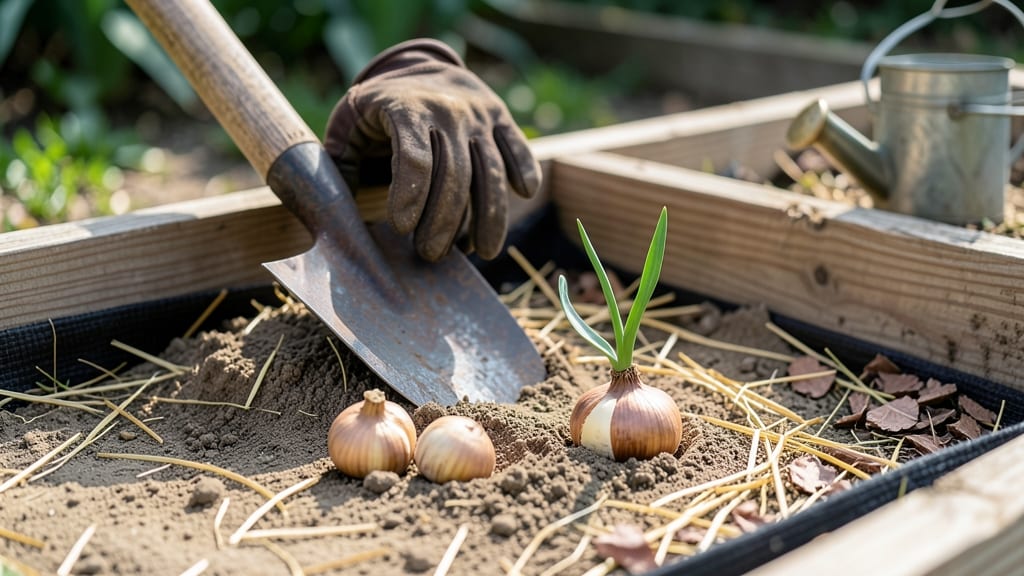
Planting tulip bulbs in Texas might seem tricky—our mild winters make it easy to miss the perfect window—but timing is everything for those bold spring blooms you crave.
The key isn’t just the calendar; it’s understanding how chill-hours work in your specific zone, whether you’re in North Texas’s cooler 8a-9a or South Texas’s balmier 9b-10b.
Most gardeners assume tulips won’t thrive here, but with the right approach—like planting in October-December for North Texas or November-January in the South—you can break that myth.
I’ll show you exactly how to time it so your 🌷 tulips get the cold snap they need without waiting for a frost that never comes.
This isn’t just about throwing bulbs in the ground and hoping for the best. We’re talking soil prep, bulb selection, and even a little hack to simulate chill-hours if your winter skips the cold.
By the end, you’ll know the exact steps to turn your Texas garden into a springtime explosion of color—no matter where you live in the Lone Star State.
Ready to ditch the guesswork? Let’s get those tulip bulbs in the ground the right way so you’re the envy of the neighborhood when those first blooms pop up in April-May. Trust me, your future self will thank you.
Texas tulip planting timeline: chill-hours explained for perfect blooms
Tulips thrive in chill-hours, a term for the cumulative hours below 45°F they need to bloom. In Texas, where winters are mild, most tulips struggle—but not all! North Texas (Zones 8a-9a) gets enough natural chill, while South Texas (Zones 9b-10b) often falls short.
The key is planting at the right time and choosing low-chill varieties.
For North Texas, aim to plant bulbs between October and December, giving them 6-8 weeks of cool weather before first frost. In South Texas, shift planting to November-January to align with cooler months.
This timing ensures bulbs receive 300-500 chill-hours, the minimum most tulips need to bloom.
Here’s the critical chill-hour breakdown for Texas regions:
| Region | Chill-Hours (Avg.) | Planting Window | Best Varieties |
|---|---|---|---|
| North Texas (Zones 8a-9a) | 400-600 | October-December | Darwin Hybrids, Fosteriana |
| Central Texas (Zone 8b-9a) | 300-450 | November-January | Greigii, Kaufmanniana |
| South Texas (Zones 9b-10b) | 150-300 | December-February | Pre-chilled bulbs, Parrot Tulips |
If you’re in South Texas, where chill-hours are scarce, consider pre-chilled bulbs from nurseries like Bare Root Bulb Company or Texas Bulb. These bulbs have already met their chill requirements, so you can plant them anytime between December and February for spring blooms.
For North Texas, natural chill is usually sufficient, but mulching with straw after planting can extend the cooling period. Avoid planting too early—soil temps below 60°F can stunt bulb growth. Use a soil thermometer to monitor conditions.
Pro tip: Plant in raised beds to improve drainage and warmth retention. This helps bulbs establish roots before the heat of Texas summers sets in. Combine tulips with perennials like salvia or lavender to create a low-maintenance, long-blooming border.
Common mistakes in Texas include planting too late (missing chill-hours) or too early (bulbs rot in warm soil). Always plant bulbs 6-8 inches deep and 4-6 inches apart for optimal airflow. Water deeply after planting to settle the soil and encourage root growth.
In Zone 10b, where winters are nearly frost-free, focus on container gardening. Use well-draining pots and move them to a shaded area during summer to prevent overheating. This method lets you grow tulips even in the hottest parts of Texas!
Remember: Tulips are not perennial in Texas—they’ll naturalize best in cooler zones. In South Texas, treat them as annuals or replant fresh bulbs each year for consistent blooms. With the right timing and variety, your Texas garden can burst with vibrant tulips every spring!
Step-by-step guide: how to plant tulip bulbs in Texas for maximum success
Planting tulip bulbs in Texas requires a slightly different approach than in colder climates. The key is to mimic the chill-hours tulips need while accounting for our mild winters.
Start by choosing a well-draining location with 6+ hours of sunlight—this ensures bulbs won’t rot in our heavy clay soils or dry out in summer heat.
For North Texas (Zones 8a-9a), aim to plant bulbs between October and December. In South Texas (Zones 9b-10b), shift your timeline to November through January to avoid summer heat stress. This timing aligns with when soil temps drop below 60°F, signaling bulbs to start dormancy.
🌱 Step-by-Step Planting Guide for Texas Tulips
- Soil Prep: Loosen soil to 12 inches deep and mix in 2 inches of compost or sand to improve drainage. Texas clay holds too much moisture—amend it to prevent bulb rot.
- Bulb Selection: Choose disease-resistant varieties like 'Darwin Hybrid' or 'Parrot' tulips, which handle heat better. Avoid double-flowered types—they struggle in warm climates.
- Planting Depth: Bury bulbs 6-8 inches deep (twice their height). Deeper planting helps insulate bulbs from winter warmth and summer heat.
- Spacing: Space bulbs 4-6 inches apart in rows 8-12 inches apart to allow airflow and reduce fungal risks.
- Watering: Water deeply immediately after planting, then bi-weekly until first frost. Avoid overwatering—bulbs need dormancy, not soggy soil.
- Mulching: Apply 2-3 inches of mulch (straw or pine needles) after planting to insulate bulbs and retain moisture. Remove mulch in early spring to prevent rot.
- Chill-Hour Hack: If your winter lacks chill-hours, store bulbs in the fridge (35-40°F) for 8-12 weeks before planting. This mimics dormancy and boosts bloom success.
One common mistake Texas gardeners make is planting tulips too early (before October). Bulbs planted in September may sprout too soon and get fried by summer heat. Another pitfall? Skipping soil amendments—Texas clay suffocates bulbs, leading to rot or no blooms.
Always test your soil’s drainage by digging a hole, filling it with water, and checking if it drains in 1 hour.
After planting, label your bulbs if you’re testing varieties—Texas’s heat can make tulips rebloom unpredictably in subsequent years. In South Texas (Zones 9b-10b), consider container growing with pre-chilled bulbs for easier control over conditions. Containers also let you move tulips to shadier spots during peak summer heat.
With the right timing and care, your Texas garden can burst into vibrant tulip blooms from March to May. The secret? Patience and preparation—bulbs need time to establish roots before they’ll reward you with those iconic spring flowers. 🌷