
Plants
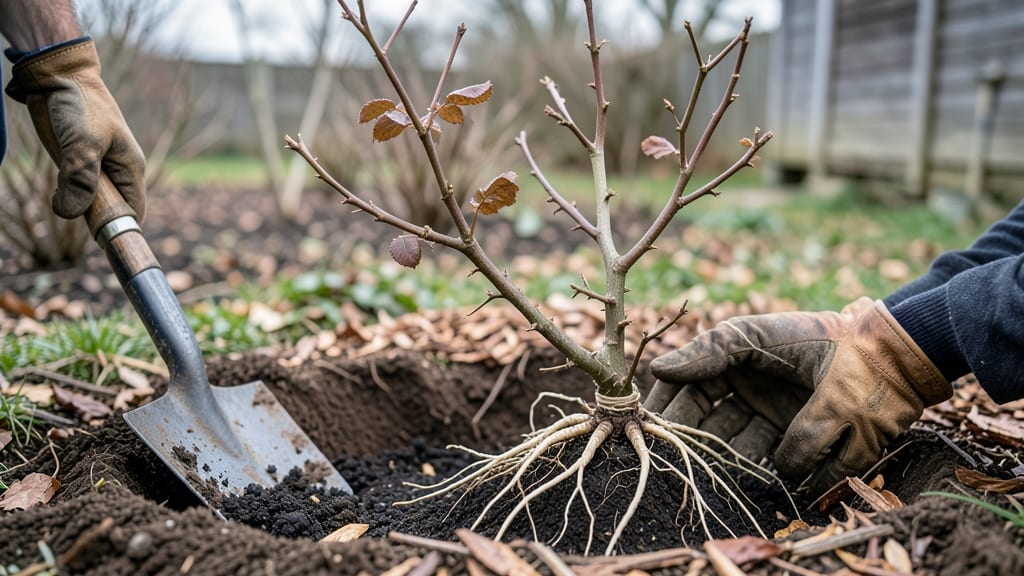
Planting bare root roses at the wrong time in Zone 6 can mean the difference between vibrant blooms and struggling shrubs—timing is everything, especially when matching chill hours for optimal growth.
In Zone 6, where winters can be unpredictable, knowing when to plant your 🌹 is crucial for establishing strong roots before the first frost. Whether you're a seasoned gardener or just starting, getting this right ensures your roses thrive from the very first season.
I'll break down the perfect planting windows—from early spring to late fall—so you can avoid common mistakes that lead to weak growth or even plant failure. With the right timing, your bare root roses will establish deep roots and reward you with stunning flowers for years to come.
Let’s dive into the exact months and conditions that set your roses up for success, so you can enjoy a garden that’s the envy of the neighborhood. Ready to get started?
Zone 6 bare root rose planting timeline based on chill hours
Timing your bare root roses in Zone 6 isn't just about avoiding frost—it's about matching the plant's chill-hour requirements. Most roses need 300-1,000 chill hours (temperatures below 45°F) to bloom well. Planting too early or late disrupts this balance, leading to weak roots or delayed flowering.
In Zone 6, your ideal planting windows are early fall (October-November) and early spring (March-April). Fall planting gives roots time to establish before winter, while spring planting ensures growth starts as temperatures rise. Let's break down the best months and what to watch for each.
Here’s how to align your planting with chill hours and soil conditions for maximum success:
For fall planting, aim to finish by mid-November in Zone 6. The goal is to give roots 4-6 weeks to establish before winter dormancy. Use a soil thermometer to confirm temps are above 40°F—frozen soil stalls root growth.
In early spring, wait until soil is workable (around 50°F) and frost risk has passed.
If you’re in Zone 6a (colder winters), prioritize October planting to avoid late-season frosts. In Zone 6b (warmer), you can extend to mid-November or even early December in microclimates with snow cover. Always check your local frost dates—they can vary by 1-2 weeks even within the same zone.
Pro tip: Soak bare roots for 1-2 hours before planting to rehydrate them. This reduces transplant shock, especially in dry fall soil. After planting, water deeply to eliminate air pockets around the roots.
Remember, chill hours aren’t just about surviving winter—they’re about blooming power. Roses planted at the right time in Zone 6 will reward you with healthier canes and more abundant flowers the following season. 🌹
Zone 6 bare root rose planting timeline based on chill hours
In Zone 6, the secret to successful bare root rose planting lies in understanding chill hours—the number of hours below 45°F your roses need to harden off.
Most roses require between 300-1,000 chill hours, and planting at the right time ensures they establish strong roots before dormancy or active growth.
For Zone 6a-6b, the ideal planting windows are early spring (March-April) and fall (September-November). Planting too early risks frost damage, while planting too late leaves roots vulnerable to winter stress. Let’s break down the best times to plant for maximum success.
When planting in fall, aim for 4-6 weeks before the first frost—this gives roots time to establish before winter dormancy. In spring, wait until the soil is workable (45°F+) and the last frost date has passed.
For Zone 6b, which has slightly warmer winters, you can plant up to 2 weeks later in fall or 1 week earlier in spring.
Always check your local chill hour requirements for specific rose varieties, as some hybrids may need more or less cold exposure. For example, David Austin English roses typically require 800-1,000 chill hours, while Knock Out roses thrive with 500-700 hours.
Matching these needs ensures your roses bloom vibrantly in their first season.
Pro tip: Use a soil thermometer to confirm soil temperatures before planting. If temps are below 45°F, wait a few days—cold soil can shock bare roots and stunt growth. Once planted, mulch heavily with 3-4 inches of organic mulch to protect roots from temperature swings.
By following this chill-hour timeline, you’ll give your bare root roses the best start possible, setting them up for years of lush blooms and minimal stress. Happy planting! 🌹