
Companion Plants
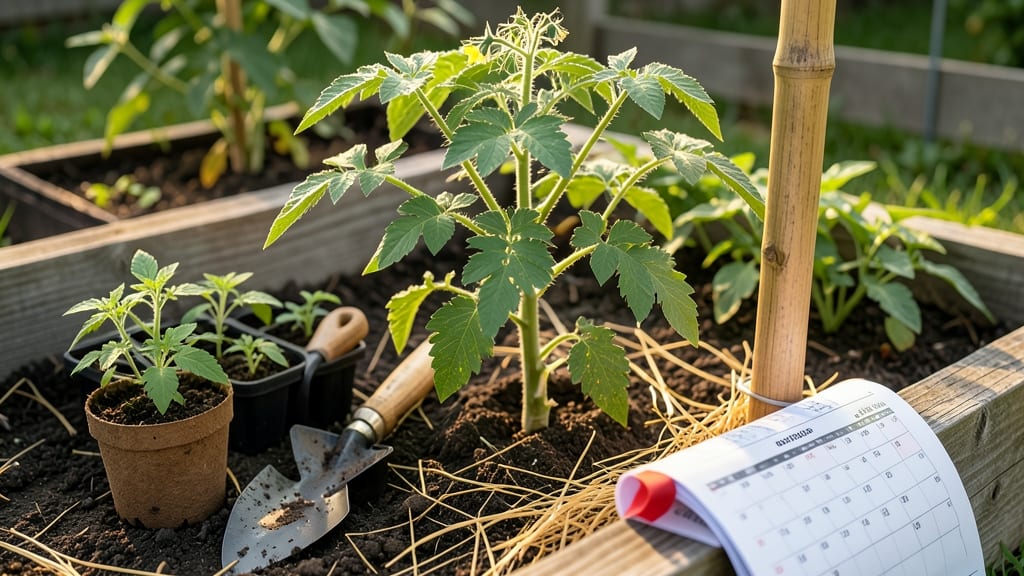
When do you plant tomatoes in Pennsylvania? Timing your tomato planting just right could mean the difference between a bumper crop of juicy 🍅 and a season of disappointment. With last frost dates varying across the state, getting it wrong can leave your plants vulnerable to frost damage or stunted growth. Whether you're a first-time gardener or a seasoned green thumb, knowing the ideal window—typically between April 15 and May 15—is the key to success.
Pennsylvania's diverse climate zones mean what works in one region might fail in another. For example, gardeners in the 6a zone need to wait until soil temperatures hit at least 60°F before planting, while those in warmer areas can start earlier.
I'll break down the exact frost-free dates by region so you can avoid common mistakes and give your tomatoes the best possible start.
You might be tempted to plant early to beat the competition, but rushing can lead to frost damage or disease susceptibility. On the flip side, waiting too long risks a shorter growing season.
The solution? A strategic approach that includes starting seeds indoors, choosing the right varieties, and using row covers to extend your harvest into October.
Let me walk you through the science and practical tips to pinpoint the perfect planting time for your Pennsylvania garden. By the end, you'll know exactly when to plant for maximum yield—and how to protect your investment from Mother Nature's surprises.
Pennsylvania’s last frost dates by region: when to plant tomatoes for peak growth
Pennsylvania’s diverse climate means your tomato planting window can vary by 10 days or more depending on where you live. The last average frost date shifts from early April in the Southeast to late May in the Northeast mountains.
To maximize your harvest, align planting with your USDA Zone 6a-7a region and soil temperature thresholds.
Tomatoes thrive when soil reaches at least 60°F—cold soil stunts roots and delays fruiting. In PA, this typically occurs 2-4 weeks after the last frost.
For example, in Philadelphia (Zone 7a), you’ll plant around April 25-May 10, while in Erie (Zone 6a), wait until May 15-25.
🌱Pro Tip: Use a soil thermometer to confirm readiness. If temps dip below 50°F at night, protect seedlings with row covers or move to a greenhouse.
| Region | Last Avg. Frost | Plant Window (Outdoor) | Greenhouse Start | Key Counties |
|---|---|---|---|---|
| Southeast | April 5-15 | April 15-May 1 | March 15-April 1 | Berks, Chester, Lancaster |
| Central | April 10-20 | April 20-May 5 | March 20-April 5 | York, Lebanon, Dauphin |
| Southwest | April 10-20 | April 25-May 10 | March 25-April 10 | Allegheny, Beaver, Washington |
| Northeast | May 5-15 | May 20-June 1 | April 1-April 15 | Lackawanna, Luzerne, Pike |
| Northwest | May 10-20 | May 25-June 5 | April 5-April 20 | Erie, Crawford, Venango |
For greenhouse or indoor starts, begin seeds 6-8 weeks before your region’s last frost. In Zone 6a (northwest PA), that means March 1-April 1. Use grow lights if natural light is limited—tomatoes need 12-16 hours of light daily for strong stems.
🌿Warning: Planting too early risks cold soil damage or early blight from damp conditions. If your area has a history of late frosts (like Poconos or Allegheny Plateau), wait until May 15 or use frost cloth for protection.
In southern PA (Zones 7a-7b), you can even try an early spring planting under row covers as soon as soil warms to 50°F. Varieties like 'Early Girl' or 'Stupice' tolerate cooler temps better than 'Beefsteak' types.
📅PA State University Extension offers localized frost maps—check their Planting Calendar for your specific county. For example, Lancaster County gardeners can plant 2 weeks earlier than those in McKean County.
If you miss the outdoor window, don’t despair!
How to adjust planting time for early vs. late varieties in PA’s climate
Pennsylvania’s unpredictable spring weather makes selecting the right tomato varieties and adjusting planting times critical. Early varieties like ‘Stupice’ or ‘Early Girl’ can handle cooler soils, while late-season indeterminate types need warmer conditions to thrive.
I’ve learned to match varieties to my USDA Zone 6a region’s frost risks and heat tolerance needs.
Start early varieties indoors 8-10 weeks before your last frost date (typically mid-March for most of PA). These determinate tomatoes grow quickly and produce fruit in 55-65 days, making them ideal for areas with short growing seasons like the Poconos or Erie region.
For late varieties, wait until after May 1—they need 60°F+ soil temps and longer daylight to set fruit.
🌱 Early vs. Late Variety Planting Guide
✅ Start indoors: March 1-15
✅ Transplant: April 15-30
✅ Days to harvest: 55-65
✅ Best for: Short seasons
✅ Start indoors: April 1-15
✅ Transplant: May 15-June 1
✅ Days to harvest: 70-90
✅ Best for: Long seasons
*Adjust dates 1-2 weeks earlier for southern PA (e.g., Philadelphia) or later for northern PA (e.g., Scranton).
Avoid planting indeterminate tomatoes too early—they’re sensitive to cold soils and may develop blossom-end rot. I’ve seen ‘Brandywine’ or ‘Cherokee Purple’ suffer when transplanted before May 15 in Zone 6a. For these varieties, use row covers or a mini greenhouse to extend the season safely.
PA’s late spring frosts (common in June) can also ruin early plantings. I now use frost cloth until May 31 for all varieties. For heat-sensitive types like ‘Black Krim’, I plant in partial shade cloth during July-August to prevent sunscald.
These adjustments have doubled my harvest success in humid central PA.
Pro tip: Check the Penn State Extension’s frost maps annually—they update last frost dates based on 10-year averages. In 2023, their data showed Philadelphia’s last frost shifted 3 days earlier than the 1990s average.
Staying flexible with planting dates based on real-time data saves my tomatoes every year.
For container gardening, warm up soil faster by placing pots in black plastic-lined boxes filled with water (like a DIY heat mat). This lets me plant 1-2 weeks earlier than ground plantings. Just monitor soil temps with a thermometer—tomatoes need 60°F+ to thrive.