
Companion Plants
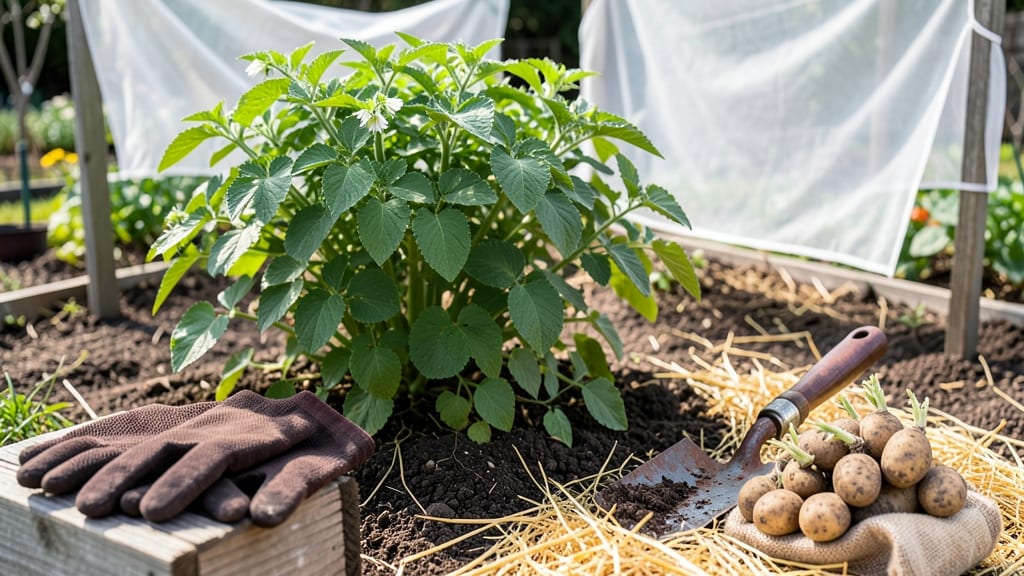
If you've ever wondered when can you plant potatoes in PA, timing is the secret weapon for a thriving harvest—especially when Pennsylvania's unpredictable spring weather throws curveballs.
Whether you're in the warmer Southwest or cooler Northern regions, getting those spuds in the ground at the right moment makes all the difference between a bountiful crop and wasted effort.
Most gardeners in the Keystone State aim to plant potatoes as soon as the soil reaches 45°F and can be worked without sticking to your shovel.
That typically lands in early spring, around March to early April, but don't rush—late frosts can still lurk, and tender potato plants won't survive a surprise freeze. The key is balancing warmth with safety, so let's break down the exact windows for your specific corner of Pennsylvania.
What you'll discover here are the microclimate-specific dates that maximize your yield, plus practical tips to adjust for PA's famously fickle weather. From soil prep to spotting those first sprouts, we'll cover everything you need to know to time your planting like a pro. Ready to dig in?
Whether you're a first-time gardener or a seasoned grower, getting potatoes in the ground at the right time can mean the difference between a handful of small tubers and a bushel basket of golden spuds. Let's make sure you're planting at peak performance this season.
Best planting dates for potatoes in Pennsylvania by microclimate Zone
Pennsylvania's diverse climate means potato planting dates vary dramatically between regions—from late March in the southwest to mid-May in the northern mountains. The key is planting when soil temperatures hit 45°F (7°C) and stay above 50°F (10°C) consistently. This ensures strong tuber formation before summer heat arrives.
PA's three main microclimate zones—Southwest, Southeast, and Northern—each have unique frost-free averages. For example, Pittsburgh typically sees its last frost by April 15, while Erie might not be frost-free until May 10. These differences affect when you can safely plant seed potatoes without risking frost damage.
Here's how to determine your exact planting window using local frost data and soil temperature guidelines:
| Zone | Last Frost Date | Ideal Planting Window | Soil Temp Requirement | Notes |
|---|---|---|---|---|
| Southwest (Pittsburgh, Harrisburg) | April 1-15 | Mid-March to early April | 45°F+ (7°C+) | Warmer microclimates allow earlier planting |
| Southeast (Philadelphia, Reading) | April 10-25 | Late March to mid-April | 45°F+ (7°C+) | Humidity can increase disease risk |
| Northern (Erie, State College) | May 1-15 | Late April to early May | 50°F+ (10°C+) | Shorter growing season favors early varieties |
| Mountains (Scranton, Altoona) | May 5-20 | Early to mid-May | 50°F+ (10°C+) | Higher elevations need later planting |
Use a soil thermometer to verify temperatures before planting 🌱
For gardeners in transitional zones, consider the 4-6 week rule: Plant early varieties 4-6 weeks before your last frost date to ensure tubers mature before summer heat sets in.
For example, in Philadelphia, planting Yukon Gold seed potatoes in late March gives them enough time to harvest before July's heat peaks.
Always check your local USDA Plant Hardiness Zone (PA ranges from 5b to 7a) and adjust planting dates accordingly. Zone 6a (common in central PA) typically allows planting by April 1, while Zone 5b (northern PA) may need to wait until April 15 or later.
Pro tip: Use black plastic mulch to warm soil faster in cooler zones. This can push planting dates 2-3 weeks earlier by trapping heat and accelerating soil temperature rise. Just remove it once sprouts appear to prevent overheating.
Remember that late plantings (after May 1) still work if you choose fast-maturing varieties like Red Pontiac, which can produce harvests in just 60-70 days. However, yields may be smaller, and disease pressure increases with summer heat.
To test soil readiness, perform the finger test: Stick your finger 3 inches deep into the soil. If it feels cool but workable (not icy), it's time to plant. For extra safety, use frost cloth for the first 2 weeks after planting in marginal zones.
For container growing, extend your planting window by 2-4 weeks using 5-gallon buckets with bottom drainage. Fill with a mix of 50% compost and 50% potting soil to ensure warm roots. Containers warm up faster than ground soil, making them ideal for late-spring plantings in cooler regions.
How to adjust potato planting dates for PA’s unpredictable spring weather
Pennsylvania’s spring weather can be as unpredictable as a whimsical wind—one day warm enough to plant, the next a surprise frost 🥶. If you’ve ever had your potato sprouts nipped by late frost, you know how quickly a season can go south. The key is flexibility: knowing when to plant, when to protect, and when to wait. Timing your potato planting isn’t just about the calendar—it’s about the soil temperature. Potatoes thrive when soil reaches 45°F (7°C)—any cooler, and growth stalls. In cooler PA zones (like the Poconos), this might mean waiting until mid-May, while southern regions (like Pittsburgh) can start as early as late March. But here’s the catch: PA’s average last frost date varies by 3-4 weeks across the state. If you’re eager to get started but Mother Nature isn’t cooperating, don’t panic. There are three proven strategies to extend your planting window without sacrificing yield. The first is using row covers or frost blankets—these can push your planting date back by 2-3 weeks while protecting tender sprouts. Another trick? Planting in containers—they warm up faster than garden beds and let you move pots indoors if frost threatens.3 Ways to Adjust Planting Dates for PA’s Unpredictable Spring
- Use row covers or cold frames: Extends planting by 2-3 weeks in cooler zones. Remove covers when flowers appear to prevent overheating.
- Plant in containers: Faster soil warming and mobility to protect from frost. Ideal for late-starting gardeners in Zone 6 or colder.
- Warm soil with black plastic: Lay down black plastic mulch 1-2 weeks before planting to raise soil temps by 5-10°F. Remove before planting.
- Choose cold-hardy varieties: Varieties like Yukon Gold or Kennebec tolerate cooler soils better than delicate types like Red Pontiac.
- Monitor soil temps: Use a soil thermometer—plant only when temps stay above 45°F for 3+ days. Cooler soils = slower growth and disease risk.
Don’t let PA’s fickle spring derail your potato dreams—with the right adjustments, you’ll be digging up those spuds like a pro by summer’s end. 🌱