
Plants
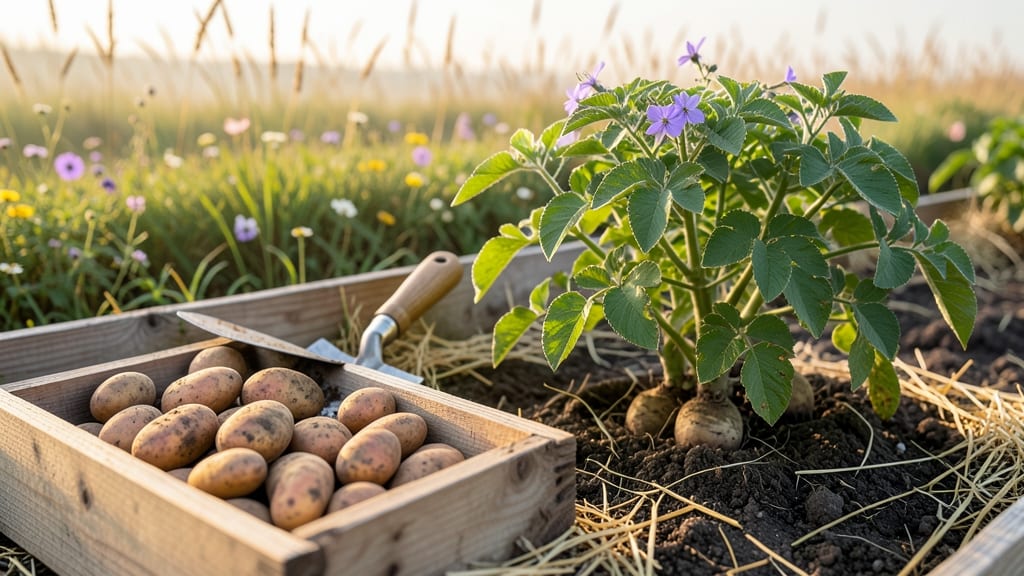
Timing your potato planting in Zone 6 isn’t just about throwing seed potatoes into the ground—it’s the key to avoiding stunted growth or wasted effort.
With 🥔 varieties needing 70–120 days to mature, planting too early risks frost damage, while waiting too long can leave you scrambling for harvests before winter sets in.
Most Zone 6 gardeners (like those in the Mid-Atlantic or Midwest) should aim to plant 4–6 weeks before the last frost date, typically between late March and early April.
But here’s the catch: soil temperature matters just as much as calendar dates—potatoes thrive when soil reaches 50–60°F, not just when the air warms up.
In this guide, I’ll break down the exact planting windows for early, mid-, and late-season varieties, plus pro tips to adjust for Zone 6’s unpredictable springs. Whether you’re growing Yukon Golds or Russet Burbanks, you’ll learn how to time it right for a bountiful harvest—without the guesswork.
Ready to turn your potato patch into a productive powerhouse? Let’s get started with the most important steps to nail your planting schedule.
Zone 6 potato planting timeline: exact weeks before last frost by variety type
Potatoes are finicky about timing—plant them too early in Zone 6, and cold soil will stunt tuber formation. Too late, and your harvest shrinks from heat stress. The ideal window is 2–4 weeks before your last frost date, but this varies by potato variety.
Early types like ‘Red Norland’ need 90 days to mature, while late-season ‘Russet Burbank’ requires 120+ days. With Zone 6’s average last frost between April 15–May 1, your planting dates shift dramatically depending on what you grow.
First, check your local last frost date—it can vary by 1–2 weeks even within Zone 6 (e.g., Midwest vs. Mid-Atlantic). For example, if your frost date is April 20, early potatoes go in March 20–March 30, while late varieties wait until April 10–April 15.
Soil temperature is critical: tubers won’t form well below 50°F, and ideal conditions are 55–65°F. Use a soil thermometer to confirm readiness—cold, wet soil is a recipe for rot.
Here’s your Zone 6 potato planting schedule broken down by variety type, including soil temp thresholds and exact transplant windows for maximum yield:
| Variety Type | Weeks Before Last Frost | Soil Temp Threshold | Transplant Window (Zone 6 Dates) | Key Growing Notes |
|---|---|---|---|---|
| Early (90 days) | 4–6 weeks | 50–55°F | March 15–April 1 | Fastest harvest; plant ‘Red Pontiac’ or ‘Yukon Gold’ |
| Mid-Season (105 days) | 3–4 weeks | 55–60°F | March 25–April 10 | Balanced yield; try ‘Kennebec’ or ‘LaSoda’ |
| Late (120+ days) | 2–3 weeks | 60–65°F | April 1–April 15 | Largest tubers; plant ‘Russet Burbank’ or ‘Monalisa’ |
🌡️ Pro Tip: Use black plastic mulch to warm soil faster—it can shave off 1–2 weeks of waiting time!
If your last frost date falls outside the April 15–May 1 average, adjust accordingly. For example, in northern Zone 6a (e.g., Chicago), aim for April 10–April 20 for mid-season varieties, while southern Zone 6b (e.g., Washington, D.C.) can plant early types as early as March 1.
Always err on the side of planting slightly later if soil temps are uncertain—cold soil is more damaging than a delayed start.
For Zone 6 gardeners with short seasons, consider succession planting: after harvesting early potatoes (e.g., ‘Early Girl’), replant the space with another crop of seed potatoes in late April.
This extends your harvest window by 4–6 weeks. Just ensure the second planting uses fast-maturing varieties (90 days or less) to avoid late-season blight risks.
One mistake I see often is ignoring soil temperature in favor of calendar dates. A soil thermometer ($15 at garden centers) is worth its weight in gold—wait for consistent 50°F+ temps before planting, even if it means delaying by a week.
Cold soil slows sprouting and encourages rot, especially in wet springs common to Zone 6.
Finally, chitting (pre-sprouting) your seed potatoes gives them a head start. Place them in a cool, bright spot (60°F) 4–6 weeks before planting. When tiny 1-inch sprouts appear, they’ll hit the ground running, shaving off 10–14 days of growth time—a critical edge in Zone 6’s short season.
🌱
Zone 6 potato planting timeline: exact weeks before last frost by variety type
Potatoes in Zone 6 demand precision—plant too early, and cold soil stunts growth; too late, and heat stress shrinks yields. The ideal window is 2–4 weeks before your last frost date (typically April 15–May 1 in Zone 6), but soil temperature matters more than calendar dates.
Aim for 50–60°F soil—colder delays sprouting, while warmer speeds up growth. Early varieties like ‘Red Pontiac’ need 90 days, while late-season ‘Russet Burbank’ requires 120+ days, so adjust timing accordingly.
Use your local frost date as a guide, but verify soil readiness with a soil thermometer. In cooler microclimates (e.g., Midwest), plant closer to April 1; in warmer areas (e.g., Mid-Atlantic), wait until late April.
For extended harvests, stagger plantings: early varieties first, followed by mid- and late-season types 2–3 weeks apart. This ensures a steady supply from June through September—perfect for fresh eating, storage, or selling at farmers' markets.
🥔 Pro Tip: Chit your seed potatoes (sprout them indoors in light) 4–6 weeks before planting to jumpstart growth in Zone 6’s short season. Place them in a bright, cool spot (60°F) with sprouts facing up for faster emergence.
For Zone 6 gardeners, late frosts are a reality—plan for them by choosing cold-tolerant varieties like ‘Katahdin’ or ‘Minnesota Gem’. If frost strikes after planting, use row covers to protect emerging sprouts until soil warms.
Conversely, if spring heats up early, delay planting to avoid heat stress, which causes tubers to form too quickly (small, misshapen potatoes). Monitor 7-day forecasts and adjust your schedule dynamically.
🌱 Soil Prep