
Plants
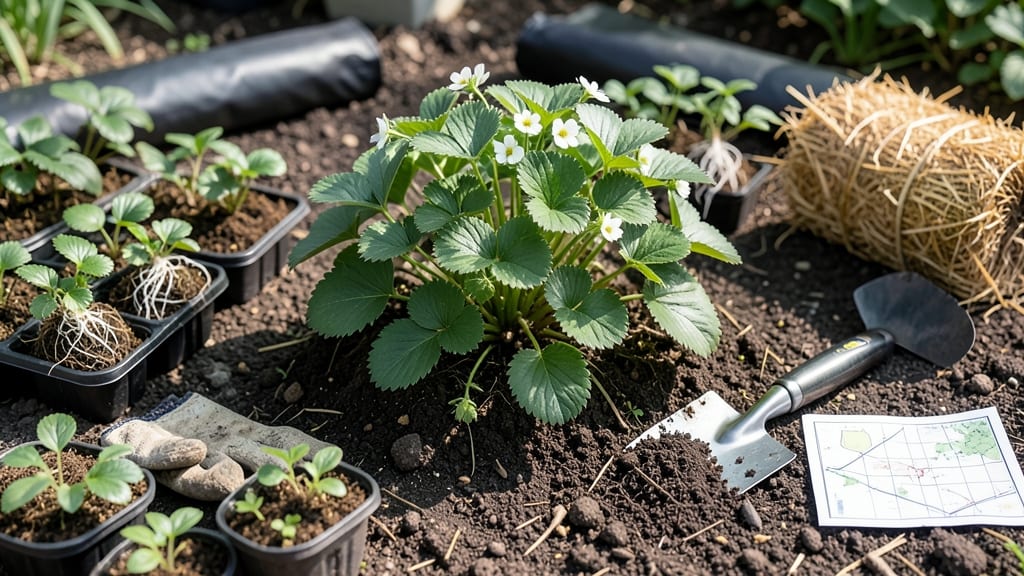
Planting strawberries in Zone 7 at the right time makes all the difference between a bountiful harvest and wasted effort.
The key window opens in early spring when soil temperatures rise, but timing is everything—too soon and your plants risk rot, too late and they won’t establish before summer heat hits.
I’ve learned the hard way that March is your best bet for spring planting, giving those delicate roots 4-6 weeks to settle before the last frost in mid-April. But don’t overlook fall planting either—September offers a second chance for everbearing varieties to thrive.
Whether you’re starting with bare-root plants or potted strawberries, understanding these exact windows ensures your 🍓 plants get off to the strongest start. Let’s break down the science-backed schedule so you can maximize your yield without the guesswork.
From soil prep to frost dates, I’ll walk you through every step to help your strawberries grow like crazy. Ready to turn your garden into a berry paradise?
Zone 7 strawberry planting calendar: exact weeks before last frost for maximum yield
Planting strawberries in Zone 7 requires precision timing to avoid frost damage or poor root establishment. The last average frost date for most of Zone 7 falls around mid-April, but exact dates vary by 100-200 miles within the zone.
For maximum yields, aim to plant 4-6 weeks before this date—typically late February to early March—when soil temperatures reach 40°F (4°C).
Fall planting is also viable in Zone 7, with 6-8 weeks before first frost (usually mid-September) being ideal. This gives plants time to establish roots before winter dormancy. Everbearing varieties benefit most from fall planting, while June-bearing types prefer spring. Let’s break down the exact windows for both methods.
For Zone 7 gardeners, using a frost calendar from your local Cooperative Extension Service ensures accuracy. For example, in Atlanta, GA, the last frost is typically March 15, while in St. Louis, MO, it’s April 1.
Adjust your planting by 4-6 weeks before these dates. Elevated areas within Zone 7 (like mountain foothills) may experience frost 1-2 weeks later.
When selecting varieties for Zone 7, prioritize disease-resistant types like 'Chandler' (June-bearing) or 'Seascape' (everbearing). These thrive in humid Zone 7 climates and produce larger yields when planted at optimal times. June-bearing varieties need chilling hours (300-500), while everbearing types require 200-300 hours—both are met in Zone 7 winters.
Preparing the soil is half the battle. Work in 2-3 inches of compost and adjust the pH to 5.5-6.8 using lime or sulfur. Strawberries hate compacted or waterlogged soil, so amend with sand or perlite if your garden holds moisture.
Plant in raised beds or mounds for better drainage in heavy clay soils common to Zone 7.
After planting, mulch heavily with straw or pine needles to retain moisture and suppress weeds. This is especially critical in Zone 7 summers, where high temperatures can stress young plants.
Water deeply 2-3 times per week during establishment, keeping the soil 1-2 inches moist. Avoid overhead watering to prevent fungal diseases like gray mold.
If you miss the spring window, don’t panic—fall planting can still yield next year’s harvest. The key is ensuring plants have 4-6 weeks of root growth before winter.
For high-altitude Zone 7 areas (e.g., Roanoke, VA), extend the fall window to late October since frosts arrive earlier. Always monitor soil temperatures with a thermometer—roots won’t grow below 40°F (4°C).
Pro tip: Mark your strawberry beds with stakes to avoid disturbing roots during subsequent plantings. In Zone 7, strawberries can produce for 3-5 years with proper care, making precise planting timing a one-time investment for years of harvests.
Start with 10-12 plants to test your timing—you’ll thank yourself at harvest time! 🍓
How to adjust planting time for everbearing vs. June-bearing strawberries in Zone 7
Not all strawberries follow the same planting rules in Zone 7. June-bearing varieties produce one massive harvest in early summer, while everbearing types yield fruit in spring and fall. This difference means their planting windows must align with their unique growth cycles.
For June-bearing, focus on spring planting—4 to 6 weeks before your last frost—to maximize their single fruiting season. Everbearing strawberries, however, benefit from both spring and fall planting to extend their harvest potential.
Your Zone 7 last frost typically lands around mid-April, so aim to plant June-bearing varieties by early March. Everbearing types, on the other hand, can handle a later start—plant them by late March to early April for spring and late August to early September for fall.
The key is ensuring they establish roots before winter dormancy begins. Everbearing varieties also need chilling hours (300–500 hours below 45°F) to trigger fruiting, which fall planting helps satisfy.
Soil temperature plays a critical role. Strawberries won’t thrive in cold, wet soil, so wait until the ground warms to at least 45°F before planting. Use a soil thermometer to check—this usually aligns with late March to early April in Zone 7.
For fall planting, soil should still be workable but cooling, typically 60–70°F, which occurs around September. Everbearing varieties planted in fall will produce smaller spring fruit but set up for a better fall harvest.
Planting Windows for Zone 7 Strawberries
- June-Bearing: Early March (4–6 weeks before last frost)
- Everbearing (Spring): Late March–Early April (soil ≥45°F)
- Everbearing (Fall): Late August–Early September (soil 60–70°F)
Everbearing varieties planted in fall produce smaller spring fruit but yield more in fall. June-bearing varieties focus all energy on one summer harvest.
If you’re growing day-neutral strawberries (a type of everbearing), they’re less fussy about timing but still prefer spring planting. These varieties produce fruit continuously when temperatures stay above 50°F, making them ideal for extending your harvest.
For all types, avoid planting when frost is forecasted within 2 weeks, as young plants are vulnerable to cold damage. Mulch heavily after planting to insulate roots and retain moisture.
Pro tip: Use black plastic mulch in spring to warm the soil faster, giving everbearing varieties a head start. Remove it after fruiting begins to prevent overheating. For June-bearing types, prioritize well-draining soil to prevent rot during their critical root-establishment phase.
Amend your soil with compost and a balanced fertilizer (like 10-10-10) before planting to support vigorous growth.
Remember, Zone 7’s microclimates vary—higher elevations or shaded spots may need adjustments. Monitor local weather patterns and use frost-free date calculators (like those from your local Cooperative Extension Service) to fine-tune your timing. With the right approach, you’ll enjoy sweeter, more abundant strawberries all season long. 🍓