
Plants
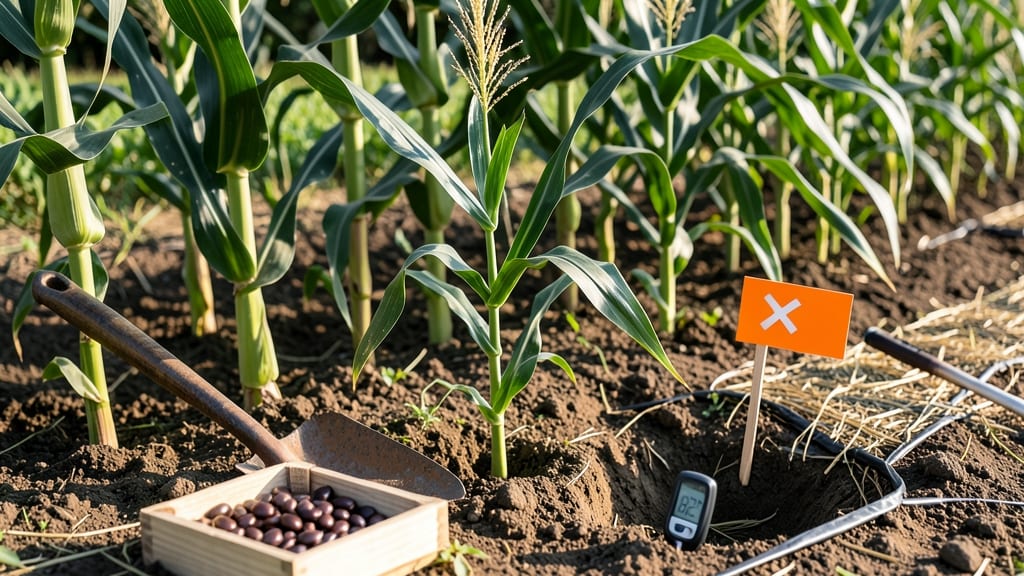
If you're dreaming of golden 🌽 corn stalks swaying in your Georgia garden, timing your planting is the single most important factor for success. Planting corn too early risks frost damage, while waiting too long means missing the sweet spot for peak yields—especially in Georgia's diverse 7b-9a zones.
Most Georgia gardeners know the general rule: plant corn after the last frost, but the exact window between April 15 and June 15 can vary wildly depending on where you live in the state.
Whether you're in the cooler North Georgia hills or the warmer South Georgia plains, knowing your local frost dates and soil temperatures is key to avoiding common mistakes that kill young plants.
In this guide, I'll break down the exact weeks before last frost you should plant for your region, plus pro tips for adjusting to Georgia's unpredictable spring weather.
You'll learn how to choose the right varieties, prepare your soil, and even handle those late frosts that seem to pop up every year.
Ready to grow corn that's taller than a basketball hoop and sweeter than your favorite market find? Let's get started with the planting schedule that'll set you up for a bumper crop from July through October.
Georgia’s best corn planting dates by region and last frost timeline
Georgia’s diverse climate means corn planting dates vary dramatically from the cooler North Georgia mountains to the warm coastal plains of South Georgia.
To avoid frost damage or stunted growth, I’ve broken down the ideal planting windows by region, including soil temperature requirements and last frost averages from the Georgia Cooperative Extension.
Corn thrives when soil temperatures stay above 60°F for 7+ days. In Georgia, this typically happens between mid-April and early June, but your exact timing depends on your region. Planting too early risks frost damage, while waiting too long can lead to overcrowded stalks and poor pollination.
Here’s my region-by-region planting schedule based on USDA zones 7b-9a and historical frost data:
| Region | Last Frost Date | Planting Window | Soil Temp Requirement | Key Notes |
|---|---|---|---|---|
| North Georgia (Zones 7b) | April 15 | April 20 - May 10 | 60°F+ for 7 days | Use row covers for early plantings |
| Central Georgia (Zones 8a) | March 20 | April 1 - May 15 | 60°F+ for 5 days | Best for early-maturing varieties |
| South Georgia (Zones 8b-9a) | February 28 | March 15 - June 1 | 55°F+ for 5 days | Can plant sweet corn twice yearly |
For North Georgia gardeners, I recommend starting seeds indoors in late March and transplanting after the last frost. In Central Georgia, you can direct-sow as early as April 1, while South Georgia growers enjoy a longer window—even a fall planting (late July) is possible for late-maturing varieties.
Pro tip: Use a soil thermometer to confirm temperatures. Corn seeds won’t germinate below 50°F, and cool soils can lead to damping-off disease. If your soil is too cold, wait or use black plastic mulch to warm it faster.
Georgia’s humid summers mean corn planted after mid-June may struggle with ear rot. For a second crop, choose 75-day varieties and plant by June 15 in South Georgia or June 1 in Central Georgia.
Remember: Corn needs 90-120 frost-free days to mature. In Zone 7b, this limits you to one main crop, while Zones 8b-9a can attempt two plantings with careful variety selection.
🌽 For exact local data, check the Georgia Climate Toolkit or your county extension office—they track frost dates annually and can adjust these windows based on recent weather patterns.
How to adjust corn planting for Georgia’s microclimates and soil types
Georgia’s diverse climate means your corn’s success hinges on adapting to your local microclimate and soil conditions. Whether you’re in the clay-heavy Piedmont or sandy coastal plains, small tweaks can prevent stunted growth or poor yields.
Let’s break down how to adjust your planting schedule and soil prep for the best results.
First, check your soil temperature—corn needs it to reach 60°F (15°C) before planting. Use a soil thermometer to avoid cold-soil shock, especially in North Georgia’s cooler pockets. If temperatures fluctuate, opt for row covers or plant slightly later to ensure consistent warmth.
For clay-heavy soils, amend with compost or aged manure to improve drainage. Corn roots struggle in waterlogged clay, so raised beds or mounds can give them the aeration they need.
In sandy soils, focus on organic matter like peat moss to retain moisture, as sand drains too quickly during Georgia’s summer heatwaves.
Urban gardeners with containers or small plots should choose dwarf or semi-dwarf varieties (like ‘Silver Queen’) and plant in well-draining mixes. Water containers daily to prevent drying, as pots heat up faster in Georgia’s summer sun.
If your area gets late frosts (common in North Georgia’s higher elevations), use frost cloth for the first 2 weeks after germination.
Finally, stagger your plantings by 2-3 weeks to extend your harvest window. In Central Georgia’s moderate climate, this means planting in early April and late April for a continuous supply.
For South Georgia’s longer season, add a third planting in early May to avoid missing the October harvest window.
With these adjustments, you’ll beat Georgia’s climate quirks and enjoy healthy, productive corn plants all season long. Happy planting! 🌽