
Plants
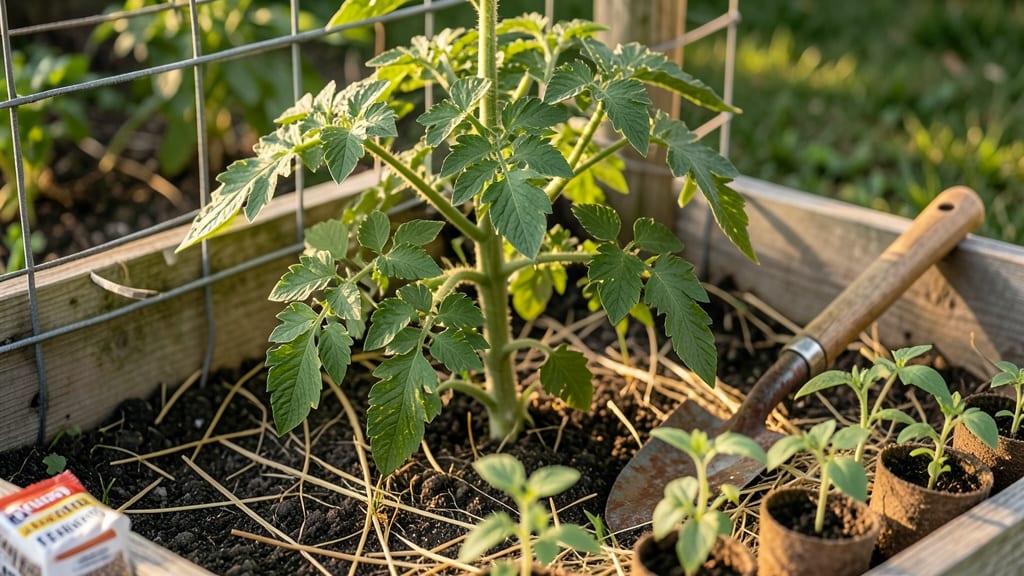
Planting tomatoes in Kansas isn’t just about grabbing seeds and sticking them in the dirt—it’s about outsmarting Zone 5B/6A’s fickle frost dates and short growing season. One wrong move, and your 🍅 dreams could turn into a sad, wilted pile of regret by summer.
But here’s the good news: with the right timing, you can turn your Kansas garden into a juicy, vine-filled paradise.
The key? Waiting until after the last frost date—typically around April 15—when soil temps hit a steady 60°F and nights stay above 50°F. That window between April 15 and May 15 is your golden opportunity, but even then, late cold snaps can sneak in.
I’ll show you how to beat the odds with starter plants, row covers, and variety choices that actually thrive in Kansas’ unpredictable weather.
You don’t need a green thumb or a PhD in agriculture—just a few smart strategies to stretch your season. Whether you’re a first-time gardener or a veteran with 5 years of trial-and-error under your belt, this guide cuts through the guesswork.
Let’s get those tomatoes growing like they’re in a Kansas summer movie.
Ready to skip the frost-burned disappointment and harvest plumper, sweeter tomatoes than you’ve ever tasted? Stick around—I’ll walk you through the exact steps, from soil prep to succession planting, so you can enjoy fresh 🍅 from June straight through October.
Kansas tomato planting timeline: frost dates, soil temps, and zone 5B/6A risks
Kansas’s USDA Zones 5B/6A create a tight window for tomato planting—just 165 frost-free days on average. Missing the mark means either frost-damaged seedlings or a shrunken harvest before fall frost.
The key? Planting after your last average frost date (typically mid-April) but only when soil temps hit 60°F and nights stay above 50°F.
But here’s the catch: Kansas’s spring is unpredictable. A late-May frost isn’t unheard of, especially in Zone 5B areas like Salina or Hays. Even in Zone 6A (Wichita, Topeka), microclimates near lakes or hills can delay warmth by 1–2 weeks.
Always check local frost data from the Kansas State University Extension for your county.
For direct-sown seeds, wait until after May 1—earlier sowings risk poor germination in cold soil. If you’re transplanting starts, aim for 4–6 weeks before your last frost (so mid-March to early April for indoor starts).
But don’t rush: hardened-off seedlings planted too early in chilly soil struggle to establish roots.
Pro Tip: Use a soil thermometer—tomatoes need 60°F+ soil to thrive. If your morning soil temp is below 55°F, delay planting. Cold soil slows root growth and invites damping-off disease.
🌱
| Stage | Action | Kansas Timeline | Risk if Missed |
|---|---|---|---|
| Soil Prep | Test pH (6.0–6.8), add compost | March–April | Poor nutrient uptake |
| Indoor Starts | Sow seeds 6–8 weeks before last frost | Mid-March | Seedlings too weak for transplant |
| Hardening Off | Acclimate seedlings 7–10 days before planting | Late April | Shocked plants fail to thrive |
| Transplant Starts | Plant after last frost, soil 60°F+ | Mid-April–May 1 | Frost damage or stunted growth |
| Direct Sow Seeds | Wait until soil 70°F+, after May 1 | Early–Mid-May | Slow germination or rot |
| Succession Planting | Sow every 2 weeks for extended harvest | May–June | Harvest all at once |
Kansas’s northern counties (Zone 5B) face the highest risk of late frosts. For example, Salina’s last frost averages April 20, but in 2
How to extend Kansas tomato season: starter plants vs. seeds, cold frames, and row covers
Kansas’s USDA Zone 5B/6A gives us just 165 frost-free days, so every extra week of growing season matters for tomatoes. The key? Starting plants early and protecting them with smart tools.
I’ve learned that seedlings need 4–6 weeks of warm, frost-free conditions to thrive, which means timing starts indoors in March for a May transplant.
Direct-sowing seeds in Kansas is risky unless you’re using heat mats or a greenhouse—soil must stay above 60°F for germination. Most gardeners opt for transplants from local nurseries or start seeds indoors under grow lights.
I’ve had my best luck with early May transplants after verifying soil temps with a soil thermometer.
Starter Plants vs. Seeds: Kansas Grower’s Guide
| Method | Pros | Cons |
|---|---|---|
| Starter Plants | Head start, faster harvest, fewer pests | Costly, limited variety, transplant shock risk |
| Seeds (Indoors) | Cheaper, wider variety, full control | Requires grow lights/heat mats, slower start |
| Direct Sowing | No transplant shock, saves money | Slow germination, frost risk, needs heat mats |
Best for Kansas: Starter plants for early season, seeds for late varieties.
For early season protection, I swear by cold frames or row covers. These can push your planting window back by 2–3 weeks—critical in Kansas’s unpredictable springs. I set up my cold frame in late April and remove it by mid-June when nighttime temps stay above 50°F.
Row covers work similarly but are lighter and easier to handle for late-season harvests.
Don’t forget succession planting! In Kansas, I plant cherry tomatoes every 2 weeks from May to July to stretch my harvest. The trick is choosing fast-maturing varieties (like ‘Tiny Tim’) that can handle our short season.
I also save space by trellising indeterminate varieties to maximize yield in small gardens.
If you’re new to row covers, start with floating row covers—they’re lightweight and let sunlight through while blocking 50°F+ frosts. I’ve extended my fall harvest by 3 weeks using them until mid-October. Just
For late-season tomatoes, I prioritize disease-resistant varieties like ‘Mountain Merit’ and use mulch to keep soil warm. In Kansas, even a 5-day heatwave in September can trigger a second flush of blossoms—so stay vigilant with watering and watch for blossom end rot from inconsistent moisture.