
Plants
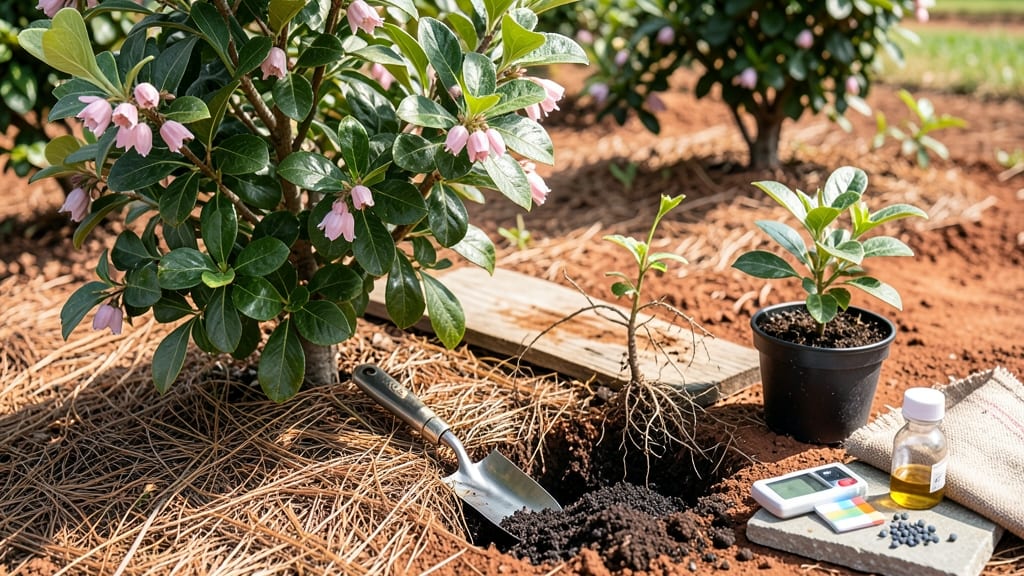
Timing your blueberry planting just right in Kansas could mean the difference between a thriving 🫐 bush and one that struggles to survive.
The key window for planting these acid-loving shrubs—whether bare-root or container-grown—opens in early spring (March-April) or late fall (September-October), when soil temperatures rise above freezing but before summer heat sets in.
If you're in USDA Zones 5b-6a, like most of Kansas, you'll want to plant after the last frost date—typically around April 15—to give roots time to establish before summer drought or winter freezes hit.
But don’t wait too long, or your bushes might not mature enough to produce fruit in their first season.
Fall planting is another smart option, especially for bare-root varieties, as cooler temperatures help roots settle before winter. Just make sure to plant at least 6-8 weeks before the first frost, usually by early October in Kansas, so the plants can harden off before cold sets in.
Whether you choose spring or fall, the secret to success lies in preparing acidic soil and picking the right varieties for Kansas' climate. Let’s break down the exact steps to ensure your blueberries take root—and thrive—for years to come.
Best planting months for blueberries in Kansas (Zone 5b/6a)
Blueberries are finicky about timing—plant them too early in Kansas, and a late frost will fry tender roots. Too late, and they won’t establish before winter’s chill.
In USDA Zones 5b/6a, your best windows are early spring (March-April) or fall (September-October), when soil temperatures hover above 40°F but before extreme heat or frost arrives.
Spring planting (after your last frost date—typically April 15) gives blueberries 6-8 weeks of warm soil before summer’s peak, while fall planting (by October 1) lets roots settle before winter dormancy. Container-grown plants offer more flexibility—you can even plant in late May if soil stays moist.
Kansas’ unpredictable weather adds complexity. Western regions (like Zone 5b) face harsher winters, while eastern areas (closer to Zone 6a) enjoy milder springs. Always check your local Kansas State University Extension frost maps before digging.
📅 Key Dates for Kansas:
- Last Frost: April 15 (Zone 5b) / April 1 (Zone 6a)
- First Frost: October 15 (Zone 5b) / November 1 (Zone 6a)
- Ideal Planting: March 15–April 30 (spring) or September 1–October 15 (fall)
| Planting Window | Best Time | Soil Temp | Kansas Notes |
|---|---|---|---|
| Early Spring | March 15–April 30 | 40–60°F | Avoid frost-prone areas; mulch heavily. |
| Fall | September 1–October 15 | 50–65°F | Water deeply before first frost; protect with burlap. |
| Container-Grown | May–June (last resort) | 55–70°F | Keep pots shaded; water daily. |
Bare-root blueberries (cheaper but more delicate) thrive best in spring, while container-grown plants (pricier but flexible) can handle late spring if you’re patient. My top recommendation? Plant in April—after the last frost—when soil is workable but not baked by summer heat.
Pro tip: If you’re in western Kansas (Zone 5b), opt for fall planting—the cooler nights help roots establish before winter. In eastern Kansas (Zone 6a), spring planting gives you a longer growing season for fruit production.
Mulch is non-negotiable in Kansas’ dry winds. Use 4–6 inches of pine straw or wood chips to retain moisture and regulate soil temps. Avoid fresh mulch, which can rob nitrogen from young plants.
For container growers, black plastic pots absorb heat—ideal for Kansas summers—but add insulation layers (like bubble wrap) in winter. Move pots to sheltered spots if frost is forecasted.
Remember: Blueberries need 2–3 years to bear fruit. Planting at the right time in Kansas ensures your bushes hit their stride by Year 3, rewarding you with pounds of juicy berries in July-August.
Best planting months for blueberries in Kansas (Zone 5b/6a)
Kansas’ USDA Zones 5b and 6a create a unique challenge for blueberry growers—cool springs and hot summers demand precise timing. The ideal window is early spring (March-April) or fall (September-October), but understanding frost risks is critical.
In Zone 5b, the last frost typically hits around April 15, while Zone 6a sees it by April 1. Planting too early risks frost damage to tender roots, while late planting may delay root establishment before winter dormancy.
For bare-root blueberries, spring planting is safest—roots establish quickly in warming soil. If you choose fall planting (September-October), do it 6-8 weeks before first frost (around October 15 in Zone 5b) to allow roots to harden off.
Container-grown plants offer more flexibility, as their root systems are less vulnerable to cold. My top recommendation? Plant container-grown bushes in early April for the best balance of safety and growth.
📅 Kansas Blueberry Planting Timeline
| Season | Best Time | Key Consideration |
|---|---|---|
| Spring | March 15 – April 15 | Wait until after last frost (Zone 5b: April 15; Zone 6a: April 1) |
| Fall | September 1 – October 15 | Plant 6-8 weeks before first frost (Zone 5b: Oct 15) |
| Avoid | November – February | Frost risk or dormant season—roots won’t establish |
💡 Pro Tip: Check your local Kansas State University Extension frost date maps for precise timing in your county.
Kansas’ microclimates add another layer—northern counties (like Zone 5b) have later frosts, while southern areas (near Zone 6a) warm up faster. If you’re in eastern Kansas, you might safely plant container-grown blueberries in late February, but western regions should wait until mid-April.
Always monitor weekly frost forecasts from the National Weather Service to adjust your timeline.
One common mistake I see is planting bare-root blueberries in summer. The heat stresses young roots, and Kansas’ July-August temperatures can exceed 90°F, making establishment nearly impossible.
If you miss the spring/fall windows, opt for container-grown plants, which handle heat better due to their established root balls. Just keep them well-watered and shaded until transplanted.
For maximum yield, pair your planting timing with soil prep. Blueberries crave acidic soil (pH 4.5-5.5), which Kansas’ native alkaline soil resists.
I’ll cover soil adjustments in the next section, but start testing your garden pH now—it takes 4-6 weeks for amendments like sulfur or peat moss to adjust the soil properly. Don’t skip this step, or your blueberries will suffer from nutrient deficiencies despite perfect timing.
Remember, blueberries are long-term investments—a well-planted bush can produce fruit for 20+ years. In Kansas, patience pays off: your first harvest may take 2-3 years, but with the right timing, you’ll enjoy juicy, homegrown blueberries for decades.
Start your clock now—spring planting season is just around the corner! 🫐