
Plants
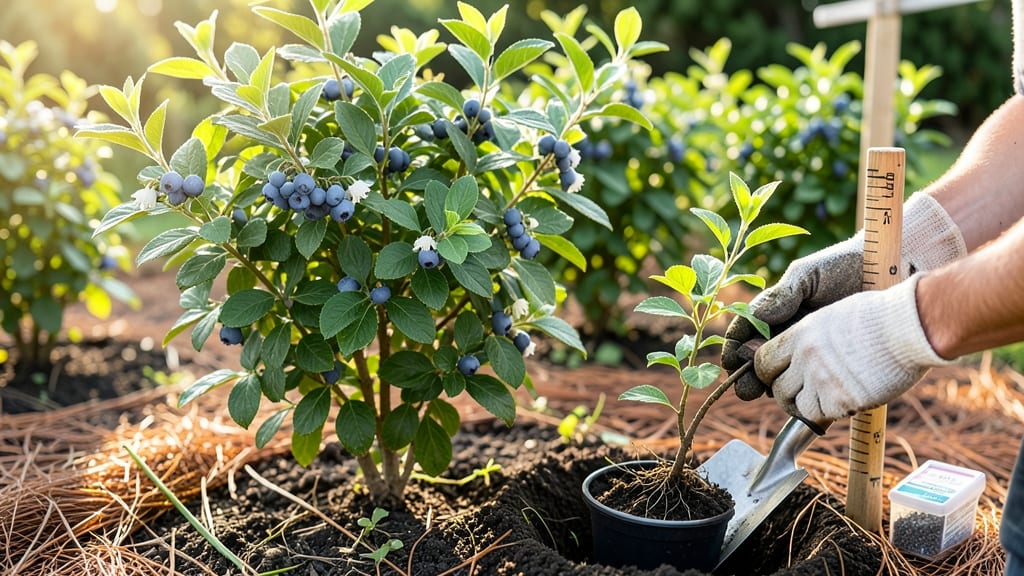
Timing is everything when it comes to planting blueberry bushes in Alabama—get it wrong, and you might end up with stunted growth or no fruit at all.
Alabama’s warm winters and hot summers create unique challenges, but with the right approach, you can grow thriving 🫐 bushes that produce sweet berries year after year.
Most gardeners in USDA zones 7a-8b swear by late fall to early spring as the best window, but there’s more to it than just picking a month.
Understanding your local frost dates and chill-hour needs is the key to success, especially since Alabama’s climate can vary dramatically from north to south.
In this guide, I’ll break down exactly when to plant your blueberry bushes—whether you’re in the cooler hills of the north or the warmer Gulf Coast—and how to prepare your soil for maximum growth.
You’ll also learn how to protect your plants from Alabama’s intense summer heat and ensure a bountiful harvest.
Ready to turn your yard into a blueberry paradise? Let’s get started with the steps that will set your bushes up for success from day one.
Best planting months for blueberries in Alabama’s heat zones 7-8
Timing is everything when planting blueberry bushes in Alabama. Unlike northern states, Alabama’s USDA Zones 7-8 offer a longer growing season but shorter winter chill periods. The ideal window spans from late fall to early spring, avoiding the brutal summer heat that stresses young plants.
Most gardeners in Alabama plant blueberries in late fall (October-November) or early spring (February-March). Fall planting gives roots time to establish before winter, while spring planting avoids transplant shock during summer’s peak heat. Both methods work, but your local last frost date (typically mid-April) is your guide.
If you choose fall planting, aim for 6-8 weeks before first frost (usually by late October). This allows roots to anchor before winter dormancy. For spring planting, wait until soil temperatures rise above 40°F (4°C) and frost risk has passed—typically by early March in most of Alabama.
Pro Tip: Northern Alabama (Zone 7a) has slightly cooler winters, so you can plant a bit later in spring. Southern Alabama (Zone 8b) should plant earlier to escape summer’s intensity.
| Planting Window | Best Months | Soil Prep | Transplant Tip |
|---|---|---|---|
| Late Fall | October-November | Amend with peat moss | Water deeply before frost |
| Early Spring | February-March | Add sulfur for acidity | Mulch heavily after planting |
| Avoid | April-July | Extreme heat stress | Risk of transplant shock |
Alabama’s humid subtropical climate means you’ll need to prepare your soil differently than in drier regions. Blueberries thrive in acidic soil (pH 4.5-5.5). Test your soil before planting—most Alabama soils are naturally alkaline, so you’ll likely need to amend with peat moss or sulfur to lower the pH.
When planting, dig a hole twice as wide as the root ball but only as deep. This encourages root expansion horizontally. Mix the native soil with compost and peat moss (equal parts) to create a nutrient-rich, well-draining medium.
Place the plant so the root flare (where roots meet stem) sits just above soil level.
After planting, mulch heavily with pine straw or wood chips to retain moisture and regulate soil temperature. In Alabama’s heat, mulch prevents soil from drying out too quickly and protects roots from temperature swings. Keep mulch 3-4 inches deep but avoid piling it against the stem.
Watering is critical in the first 4-6 weeks after planting. Give your blueberry bush 1-2 gallons of water per week, more during summer heat. Water deeply in the morning to reduce fungal risks. Avoid overhead watering, which can spread diseases in Alabama’s humid climate.
One common mistake in Alabama is planting too late in spring. If you miss the February-March window, wait until fall. Summer planting is risky—young blueberries can’t handle the heat and often suffer from transplant shock or heat stress, leading to poor establishment.
For container growing in Alabama, plant in large pots (15+ gallons) with acidic potting mix. Containers dry out faster, so monitor soil moisture closely. Move pots to partial shade during peak summer heat (June-August) to protect delicate foliage.
Remember, Alabama’s short winter chill hours (typically 300-500) mean you’ll need low-chill blueberry varieties. We’ll cover the best varieties for your region in the next section—but timing your planting correctly now sets the stage for a bountiful harvest.
Best planting months for blueberries in Alabama’s heat zones 7-8
Alabama’s USDA zones 7-8 create a unique challenge for blueberry growers. Unlike northern states, we don’t get harsh winters—but our summers pack serious heat. The key is planting when cooler temperatures and adequate moisture give young bushes their best shot at survival.
For Alabama, that means focusing on late fall or early spring planting windows.
Most gardeners in Alabama opt for late fall planting (October-November) because it allows roots to establish before summer heat arrives. However, early spring (February-March) is also ideal if you missed fall.
The critical factor? Avoid planting during Alabama’s peak summer months (June-August), when extreme heat can stress newly transplanted bushes.
Here’s the breakdown of your best planting options in Alabama’s climate:
| Planting Window | Best Months | Key Considerations | Alabama Advantage |
|---|---|---|---|
| Late Fall | October - November | Cool soil temps, established roots before summer | Avoids summer heat stress |
| Early Spring | February - March | Active growth begins, but watch for early heat waves | Better soil moisture than summer |
| Avoid | April - September | High heat, drought risk, transplant shock | Poor survival rates |
When planting in Alabama, time your transplanting to align with local frost dates. Most areas see their last frost around mid-April, so aim to have bushes planted at least 6-8 weeks before that date. For late fall plantings, choose varieties that can handle mild winter chills without freezing.
Pro tip: If you’re in northwest Alabama (Zone 7a), you’ll need slightly earlier plantings to account for cooler nights. Meanwhile, southeast Alabama (Zone 8b) gardeners can extend fall plantings slightly later into November. Always check your local agricultural extension for precise frost data.
Once you’ve chosen your window, prepare the soil by amending with peat moss or sulfur to lower pH to 4.5-5.5—blueberries are acid-loving and won’t thrive in alkaline soil. Mulch heavily with pine straw or wood chips to retain moisture and regulate soil temperature during Alabama’s intense summers.
With the right timing and soil prep, your blueberry bushes will establish strong roots before facing Alabama’s summer heat—setting you up for years of juicy, homegrown berries! 🫐