
Plants
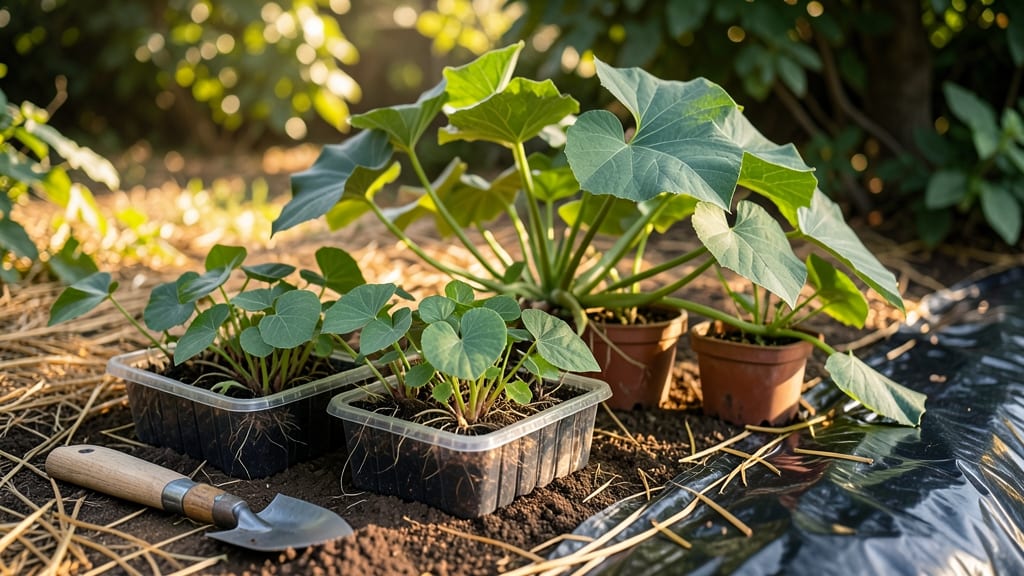
Planting sweet potatoes in Texas isn’t just about timing—it’s about mastering the heat zones that make or break your harvest. Whether you’re in frost-prone North Texas or the sweltering South, getting the right window means the difference between a bountiful 🍠 harvest and a disappointing flop.
The key is understanding Texas’s unique climate quirks—like how Central Texas’s 8a zone demands earlier planting than South Texas’s 9a-10a. Skip the guesswork and plant when soil temps hit 65°F, ensuring your slips take root before summer’s brutal heat peaks.
I’ll walk you through the exact months for each region, plus how to adjust for Texas’s unpredictable weather—because even the best-laid plans can go sideways with a late frost or early drought.
Ready to grow sweet potatoes that rival the pros? Let’s dive into the perfect planting schedule for your Texas heat zone and set your garden up for success.
Texas heat zone planting calendar for sweet potatoes: exact months by region
Texas’s diverse heat zones mean your sweet potato planting window can vary by 3 months depending on where you live. In South Texas (Zones 9a-10a), you can start as early as mid-February, while North Texas (Zones 7b-8a) gardeners should wait until mid-April to avoid frost damage.
The key is planting slips (young plants) after your last average frost date when soil temperatures hit 65°F (18°C). This ensures strong root development before summer’s brutal heat sets in. Let’s break it down by region so you can maximize your harvest.
🌱 Pro Tip: Use a soil thermometer to confirm readiness—sweet potatoes won’t sprout in cold soil, no matter how eager you are!
Notice how South Texas has the longest growing season? That’s why varieties like ‘Centennial’ (a long-season type) thrive there. Meanwhile, North Texas gardeners should stick to fast-maturing varieties like ‘Georgia Jet’ to finish before the first frost.
For container growing, you can extend your season by 2-4 weeks by planting in black plastic pots (which warm up faster) and moving them to partial shade during peak summer heat. This works especially well in urban areas with limited space.
🌡️ Warning: If your soil stays below 65°F (18°C) for more than a week after your target planting date, wait—cold soil causes rotten slips and poor yields.
Once planted, mulch heavily with straw or grass clippings to keep roots cool during Texas’s 100°F+ days. This simple step can increase yields by 30% by preventing soil moisture loss.
Remember: Sweet potatoes need heat to sweeten properly. If you plant too early in cooler zones, you’ll end up with small, starchy tubers instead of the sweet, moist harvests you crave.
Now that you’ve got your planting timeline locked in, let’s tackle Texas’s unpredictable weather—because even the best-laid plans need backup strategies when unexpected rain or early heatwaves strike.
How to adjust planting dates for Texas’s unpredictable weather patterns
Texas’s weather can be as unpredictable as a summer storm, with sudden heatwaves, late frosts, or droughts that throw off even the most experienced gardener. Sweet potatoes, while heat-loving, need a little extra care to thrive in these conditions.
The key is flexibility—knowing how to adjust your planting schedule based on real-time conditions can mean the difference between a bountiful harvest and wasted effort.
First, always check your local frost-free date. In North Texas, this can be as late as March 15, while South Texas gardeners often see their last frost by February 15.
Planting too early risks frost damage to young slips, so wait until the soil temperature consistently stays above 65°F (18°C)—use a soil thermometer to confirm.
If an early heatwave hits, don’t panic. Sweet potatoes can handle high temperatures, but extreme heat (above 95°F) may slow growth. In this case, opt for shade cloth during the hottest hours or focus on watering deeply to keep roots cool.
Mulching with straw or wood chips also helps regulate soil temperature and retain moisture.
Late frosts are another Texas wildcard. If frost warnings appear after you’ve planted, cover young slips with frost blankets or row covers. For a backup plan, keep slips ready to plant in late April or May—this gives you a second chance if early attempts fail.
Drought conditions are a common challenge, especially in West Texas. Sweet potatoes are drought-tolerant once established, but young plants need consistent moisture. If rain is scarce, set up a drip irrigation system to deliver water directly to the roots. Avoid overhead watering, which can spread fungal diseases in the heat.
For gardeners in North or East Texas, where summers are long and humid, consider planting early-maturing varieties like ‘Georgia Jet’ to avoid the worst heat.
In South Texas, where the growing season extends longer, you can push planting into late June for a fall harvest, but be prepared to manage pests like sweet potato weevils.
Finally, always have a backup planting schedule. Note your first planting date and mark a 3-week buffer for replanting if conditions turn unfavorable. This strategy ensures you’ll always have a chance at a harvest, no matter what Texas throws your way.
Plant only when soil reaches 65°F (18°C)—use a thermometer to avoid frost damage or stunted growth.
Use shade cloth or mulch if temperatures exceed 95°F to protect young plants.
Cover plants with frost blankets if late frosts threaten, or replant slips in late April/May.
Water deeply every 2-3 days during droughts to prevent stress—drip irrigation is ideal.
Mark a 3-week replant window in case of early failures or extreme weather.
Opt for early-maturing types in hot zones (e.g., ‘Georgia Jet’) or long-season varieties in mild climates (e.g., ‘Beauregard’).