
Plants
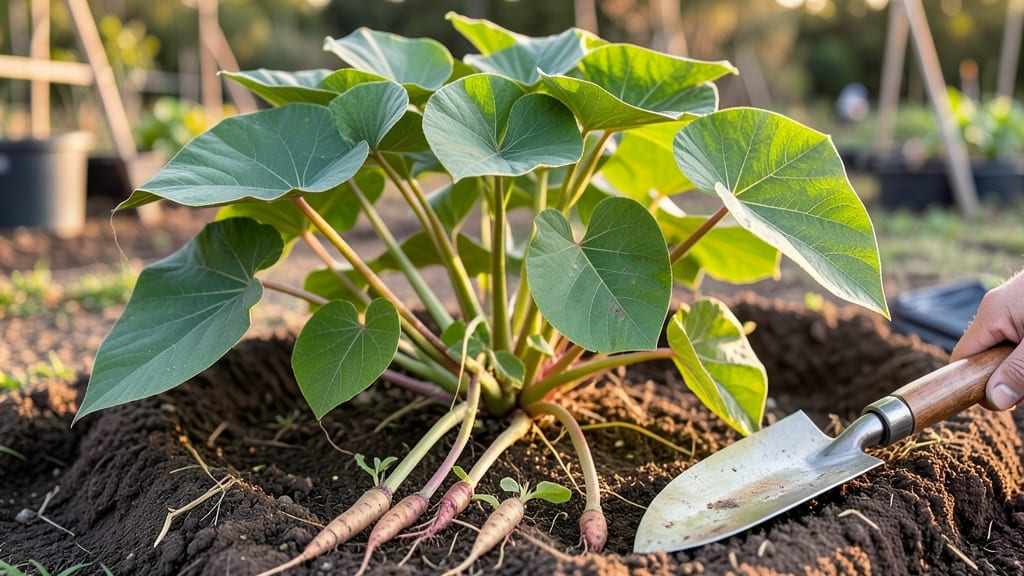
If you've ever wondered when to plant sweet potatoes in Louisiana for a bumper crop, timing is your secret weapon.
The Pelican State’s long, humid summers give you a 3-month window—but plant too early, and slugs will feast on your slips; too late, and your 🍠 harvest shrinks before winter’s first chill.
Most Louisiana gardeners swear by slips (young plants) rather than seeds, and the magic number is 65°F soil temperature. That means waiting until mid-March in North Louisiana’s 8a zone or as late as early April in the warmer 9b regions near New Orleans.
The key? Start planting after your last frost—typically by February 15—but before summer’s brutal heat peaks.
Here’s the game-changer: stagger your plantings every 2-3 weeks to stretch your harvest from September through November. This simple trick lets you avoid glut and protects against Louisiana’s unpredictable rain patterns. I’ll show you exactly how to adjust for your specific heat zone and local weather quirks.
Ready to grow sweet potatoes that rival Louisiana’s famous roadside stands? Let’s dive into the exact schedule, soil secrets, and regional tweaks that’ll turn your garden into a 🍠 goldmine—without the common mistakes that waste 70% of Louisiana harvests.
Louisiana sweet potato planting calendar by heat zone
Louisiana’s USDA zones 8a-11 create a unique challenge for sweet potato growers—too early, and you battle slugs and fungal diseases; too late, and your harvest gets cut short by hurricane season or frost.
The key? Planting when soil temps hit 65°F+ and aligning with your local last frost date (typically February 15 in most areas).
For North Louisiana (zones 8a-9a), aim for mid-April to early May—this gives you a 120-day growing window before winter. In South Louisiana (zones 9b-11), you can start as early as late February or stretch plantings until June for fall harvests.
The trick? Use slips (young plants) instead of seeds—they mature faster in our heat.
Pro Tip: Check soil temps with a soil thermometer (or press your finger into the ground—if it’s warm to the touch, it’s ready). In zone 11, you can even plant year-round, but avoid July-August to skip hurricane risks. Here’s your heat-zone breakdown:
For slips (the preferred method in Louisiana), buy 4-6 inch slips from local nurseries in February-March.
If starting from seed, begin indoors 8-10 weeks before your last frost date—sweet potato seeds need warmth (70°F+) to germinate. Pro Tip: Soak seeds in warm water for 24 hours before planting to speed up germination.
Don’t overlook soil prep—sweet potatoes thrive in loose, sandy loam with a pH of 5.8-6.5. Work in 2-3 inches of compost and avoid fresh manure (it burns roots).
In heavy clay soils (common in North LA), mix in sand or peat moss to improve drainage. Mulch heavily with straw to retain moisture and keep roots cool.
If you’re in hurricane-prone areas (like South LA), consider elevated beds or container growing to protect your crop.
Plant 12-18 inches apart in rows 3 feet apart to allow for vine spread. Early varieties like Beauregard mature in 90 days, while late varieties like Centennial take 120+ days—choose based on your harvest goals.
One common mistake in Louisiana? Planting too close to winter. If you miss the June window, your tubers won’t mature before first frost (Dec 15). For <
How to stagger plantings for continuous harvests in Louisiana’s climate
Louisiana’s humid heat and unpredictable rains make staggered planting your secret weapon for year-round sweet potato harvests. Instead of one big planting, spread yours every 2-3 weeks from March through June to avoid gluts and extend harvests until November.
This method also protects your crop from sudden downpours or early cold snaps.
Start your first batch when soil temps hit 65°F—usually mid-March in Zone 10A and early March in Zone 11B. Each subsequent planting should go in 2-3 weeks later until late June. This creates a rolling harvest window, ensuring fresh tubers all season long.
Here’s how to do it right: Space plants 12-18 inches apart in raised beds or hills to improve drainage—the swampy soil in Louisiana can rot tubers if water pools. Use black plastic mulch to warm soil faster and suppress weeds, which thrive in our humidity.
Test soil pH (5.8-6.5) and amend with compost or aged manure 2 weeks before planting. Louisiana’s clay-heavy soil needs organic matter to drain well.
Plant slips (not seeds)—they mature faster in Louisiana’s short window. Bury half the stem and water deeply to encourage root growth.
Cover with 4-6 inches of straw mulch to retain moisture and block weeds. Louisiana’s summer storms can wash away mulch, so replenish after rains.
When vines yellow and die back (usually 90-120 days after planting), harvest that batch. This signals tubers are fully mature.
Plant another batch 2-3 weeks later to keep the harvest cycle going. Stop by late June—any later risks tubers not maturing before first frost.
Staggering plantings also reduces pest pressure. Louisiana’s sweet potato weevils and wireworms can devastate a single planting, but scattered batches give them no chance to overwhelm your crop. Plus, you’ll always have fresh tubers for cooking without a mountain of storage needs.
Pro tip: Label each planting date on stakes or a garden journal. Louisiana’s weather is unpredictable—one batch might mature faster than others due to heat spikes or rain delays. Knowing exactly when each group went in helps you harvest at peak sweetness.
With this method, you’ll enjoy homegrown sweet potatoes from September through November, just as Louisiana’s fall festivals kick off. No more rushing to harvest before the first cold snap!