
Plants
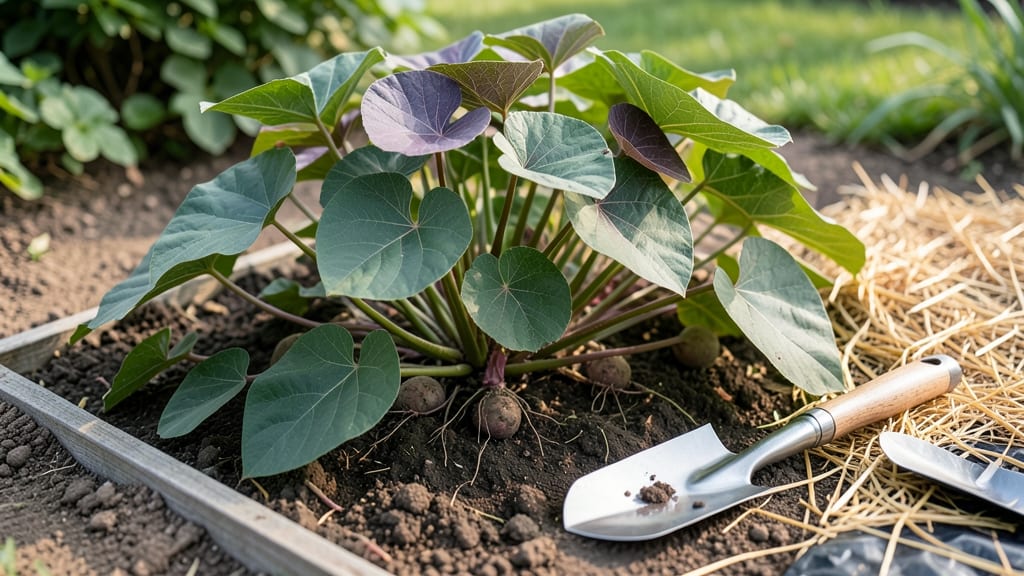
If you’ve ever wondered when to plant sweet potatoes in Florida, timing is the secret weapon for a bountiful harvest—because unlike northern states, Florida’s frost-free climate gives you a longer window to get it right.
Most gardeners in USDA zones 9a-11 reach for their slips (young plants) between March and June, but here’s the catch: soil temperature matters just as much as the calendar. Planting too early in cool patches can stall growth, while waiting too long risks summer’s brutal heat.
In this guide, I’ll break down the exact deadlines for your region—whether you’re in North Florida’s milder winters or South Florida’s steamy summers—plus how to prep your soil and slips for maximum success.
Skip the guesswork and learn the proven schedule that turns Florida’s heat into your sweet potato ally, not an obstacle.
Florida heat zone planting deadlines for sweet potatoes (avoid frost risk)
Florida’s frost-free climate makes sweet potatoes a perfect fit—no frost risk means you can plant almost year-round, but timing still matters for maximum yields. Unlike northern states, Florida’s USDA zones 8A-11 eliminate frost concerns, but soil temperature and summer heat dictate ideal windows.
Let’s break down the heat zone deadlines to ensure your sweet potatoes thrive.
For Florida gardeners, the critical factor isn’t frost—it’s soil warmth. Sweet potatoes won’t germinate until soil reaches 65°F (18°C). In North Florida (zones 8A-9A), this typically happens by late March to early April.
South Florida (zones 10A-11) can start as early as mid-February, but late spring (May-June) often yields better results due to consistent warmth.
Here’s the key rule: Plant slips (young plants) after your last frost-free date—though Florida’s climate means frost is rare. Focus instead on soil temperature and summer heat tolerance.
Planting too early in cooler months can lead to slow growth or disease pressure, while planting too late risks heat stress before harvest.
To find your exact planting window, check the USDA Plant Hardiness Zone Map for your county. Most of Florida falls into zones 8A-11, but microclimates (like urban heat islands or coastal areas) can shift your ideal window by 2-4 weeks.
For example, Miami (zone 11) can plant year-round, while Panama City (zone 8B) should wait until late April.
Another critical factor is harvest timing. Sweet potatoes need 90-150 days to mature, so planting in late spring (May-June) ensures harvests align with fall’s cooler temperatures.
This avoids the brutal summer heat that can stress plants and reduce tuber quality. Aim to harvest before first frost—though Florida’s climate rarely delivers one!
If you’re in North Florida (zones 8A-9A), prioritize March-April planting for a fall harvest. South Florida gardeners have flexibility but should still avoid peak summer planting (June-August) due to intense heat and pests. Instead, opt for early spring or late summer plantings to spread out your harvest.
Pro tip: Use a soil thermometer to confirm 65°F+ soil temps before planting. This is especially important in cooler microclimates or after unseasonably cold snaps. Sweet potatoes are heat-loving but won’t perform well in chilly soils.
For urban gardeners with limited space, consider container growing. Containers warm up faster than ground soil, so you can plant 1-2 weeks earlier than in-ground gardens. Just ensure containers have drainage holes and use lightweight potting mix to prevent overheating.
Now, let’s dive into the heat zone breakdown to pinpoint your exact planting window:
| Florida Heat Zone | Ideal Planting Window | Soil Temp Requirement | Harvest Window | Key Consideration |
|---|---|---|---|---|
| Zones 8A-9A (North FL) | Late March - Early April | 65°F+ (18°C+) | September - November | Wait for soil warmth; avoid early planting |
| Zones 9A-9B (Central FL) | Mid-February - Mid-April | 65°F+ (18°C+) | August - October | Flexible but avoid peak summer heat |
| Zones 10A-11 (South FL) | Year-round (best: Feb-Mar or Sep-Oct) | 65°F+ (18°C+) | June - December | Spread plantings to avoid pest pressure |
🌱 Note: Adjust for microclimates (e.g., coastal areas may plant earlier).
With these deadlines in mind, you can avoid common pitfalls like poor germination from cold soil or heat stress from late plantings. Next, we’ll cover a month-by-month planting schedule tailored to Florida’s climate—including soil prep, watering tips, and how to extend your harvest season for bigger, sweeter tubers.
Remember: Florida’s lack of frost is a gift, but timing still rules. Plant too early, and you’ll fight soil-borne diseases; plant too late, and summer’s scorching heat will stunt growth.
Stick to these heat zone guidelines, and you’ll enjoy a bountiful harvest of golden, flavorful sweet potatoes.
Step-by-step sweet potato planting schedule for Florida’s climate
Florida’s long growing season means you can plant sweet potatoes almost year-round, but timing still matters for maximum yields. Since Florida has no frost risk, focus instead on soil warmth and avoiding extreme summer heat. Here’s my foolproof schedule to get the best harvest.
Start by pre-sprouting slips (young plants) indoors 2-3 weeks before your target planting date. Use a warm, humid environment—like a heated propagator or even a sunny windowsill—to encourage roots before transplanting. This head start gives your sweet potatoes a 3-week advantage in Florida’s competitive growing season.
🌱 Step-by-Step Planting Timeline for Florida
- February-March: Pre-sprout slips indoors (use sweet potato cuttings with 2-3 eyes)
- March-April: Plant slips after soil reaches 65°F+ (use a soil thermometer)
- April-June: Mulch heavily to retain moisture and regulate soil temp
- July-August: Thin vines to 12-18 inches apart for better tuber development
- September-October: Reduce watering to signal harvest readiness
- October-November: Harvest before first potential cold snap (rare but possible in North FL)
For urban gardeners with limited space, container planting works well—just use 5-gallon pots with drainage holes. Fill with a mix of compost, coconut coir, and perlite to mimic Florida’s sandy loam. Place pots in full sun (6+ hours daily) and water deeply every 2-3 days during summer’s peak heat.
If you’re in North Florida (Zones 8A-9A), aim to plant by mid-April to avoid late-spring heatwaves that can stress young plants. In South Florida (Zones 10A-11), you can stretch planting into early July, but be prepared to shade plants during the hottest afternoons to prevent wilting.
Pro tip: Test your soil’s pH before planting—sweet potatoes prefer 5.8-6.5. If your soil is too acidic, mix in lime; if alkaline, add sulfur. Florida’s sandy soils often need extra organic matter, so work in 3-4 inches of compost before planting for best results.
Once planted, water deeply in the morning to encourage strong root growth. Avoid overhead watering, which can spread fungal diseases like black rot. Instead, use a soaker hose or drip irrigation to keep leaves dry.
With this schedule, you’ll harvest plump, sweet tubers in just 100-120 days—perfect for Florida’s mild winters.