
Plants
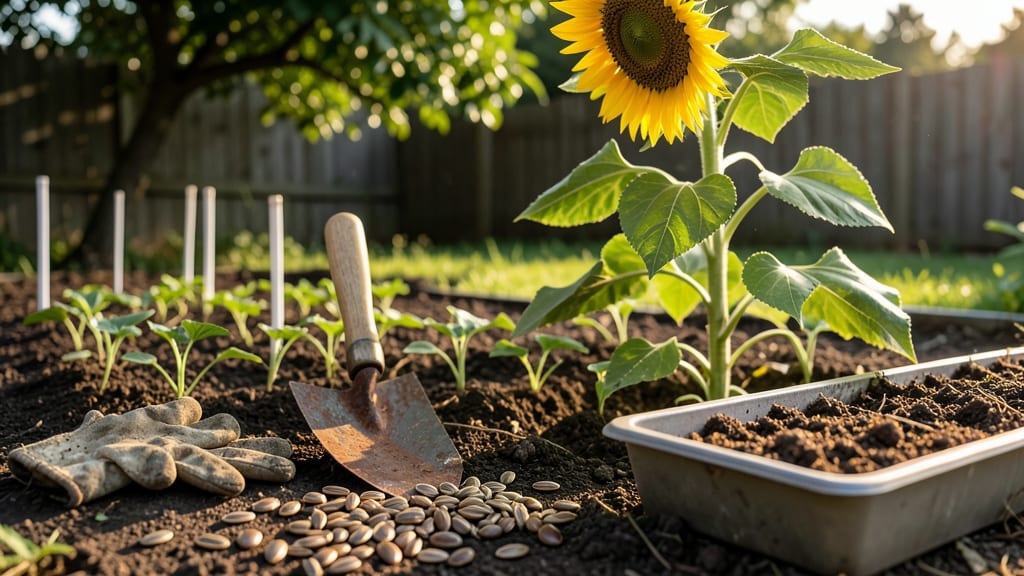
Planting sunflower seeds in Ohio isn't just about timing—it's about beating the region's unpredictable spring frosts while giving those towering 🌻 stalks enough heat to reach their full potential.
Whether you're in USDA Zone 6a or battling lake-effect humidity near Cleveland, getting the dates wrong means either wilted seedlings or stunted blooms by summer's end.
The ideal window for Ohio gardeners runs from mid-April to early June, but that's just the starting point.
Soil temperatures need to hit at least 55°F for germination, and waiting until after your last frost date—typically around April 15—gives your sunflowers the best shot at thriving through Ohio's 165 frost-free days.
Here's what you'll discover: how to adjust planting dates for Ohio's microclimates, which sunflower varieties perform best in your specific corner of the state, and the 3 critical mistakes that turn promising starts into disappointing flops.
Let's dive into the exact strategy that'll have your sunflowers reaching for the sky—without the guesswork that leaves so many Ohio gardens empty-handed by summer.
Ohio sunflower planting calendar by USDA Zone and microclimate
Ohio’s USDA zones 5a-6b create a 10-day window difference in last frost dates—critical for sunflower germination. Northern counties like Ashtabula (Zone 5b) wait until May 1, while southern Chillicothe (Zone 6b) can plant by April 15.
Microclimates like urban heat islands (Cincinnati) or Lake Erie’s cool breezes (Toledo) shift timing by 1-2 weeks.
Sunflower seeds need soil temperatures above 55°F to sprout reliably. Use a soil thermometer to confirm—cold, wet springs (like 2020’s) delay planting until late May. In drier western Ohio, start 2 weeks earlier to avoid summer drought stress.
Here’s your Ohio sunflower planting timeline by zone, adjusted for local conditions:
| Zone | Last Frost Date | Ideal Planting Window | Soil Temp Threshold | Microclimate Adjustment |
|---|---|---|---|---|
| 5a (NE Ohio) | May 15 | May 20–June 1 | 55°F+ | Wait 2 weeks near lakes |
| 5b (NW Ohio) | May 1 | April 25–May 15 | 55°F+ | Plant early in urban areas |
| 6a (Central Ohio) | April 15 | April 1–May 10 | 55°F+ | Use row covers for April plantings |
| 6b (Southern Ohio) | March 25 | March 15–April 30 | 50°F+ (risky) | Start indoors for early blooms |
For tall varieties like ‘Russian Giant’ (12+ ft), prioritize early May planting to maximize 100+ frost-free days. Dwarf types like ‘Teddy Bear’ (2-3 ft) tolerate late June sowings but yield smaller blooms. Ohio’s humidity (70%+ in summer) demands spaced rows (18 inches apart) to prevent mildew.
Pro tip: Test soil pH (6.0-6.8) before planting—Ohio’s clay-heavy soils (e.g., Adams County) benefit from compost amendments. Add 1 inch of compost to planting holes for faster germination.
In northern Ohio (Zones 5a-5b), late-May plantings still yield 8-foot sunflowers by August, while southern Ohio (Zone 6b) can squeeze in second crops by July 1 for fall harvests. Track your local frost dates via the Old Farmer’s Almanac or NOAA’s climate tools.
Remember: Sunflowers hate transplanting. Direct-sow seeds 1 inch deep and 6 inches apart—thinning later avoids root damage. For extended seasons, try ‘Autumn Beauty’, which blooms 60-90 days after planting.
🌱
How to extend your Ohio sunflower season for bigger blooms
Ohio’s short growing season doesn’t mean you’re limited to standard sunflower blooms. With the right techniques, you can push your planting windows by 4-6 weeks—yielding taller stems and larger flowers. The key lies in microclimate adjustments and protective strategies tailored to Ohio’s USDA zones 5a-6b.
For example, gardeners in northern Ohio (zones 5a-5b) can start seeds indoors 6 weeks before last frost (around March 1) using a heat mat to maintain 70°F soil temps. Meanwhile, those in southern Ohio (zone 6b) can direct-sow as early as mid-March under row covers.
Pro tip: Monitor soil temperatures with a soil thermometer. Sunflower seeds need 55-60°F soil temps to germinate—waiting for this threshold in northern Ohio can delay planting by 1-2 weeks compared to southern regions.
For urban gardeners in heat islands (e.g., Columbus or Cleveland), plant shorter varieties like ‘Sunspot’ (3-4 ft) in late May to avoid heat stress. These thrive in 90°F+ temps and produce 20% more blooms than standard types.
Remember: Ohio’s humidity levels (especially near Lake Erie) can lead to powdery mildew if plants lack airflow. Space seeds 12 inches apart and avoid overhead watering to keep foliage dry.