
Plants
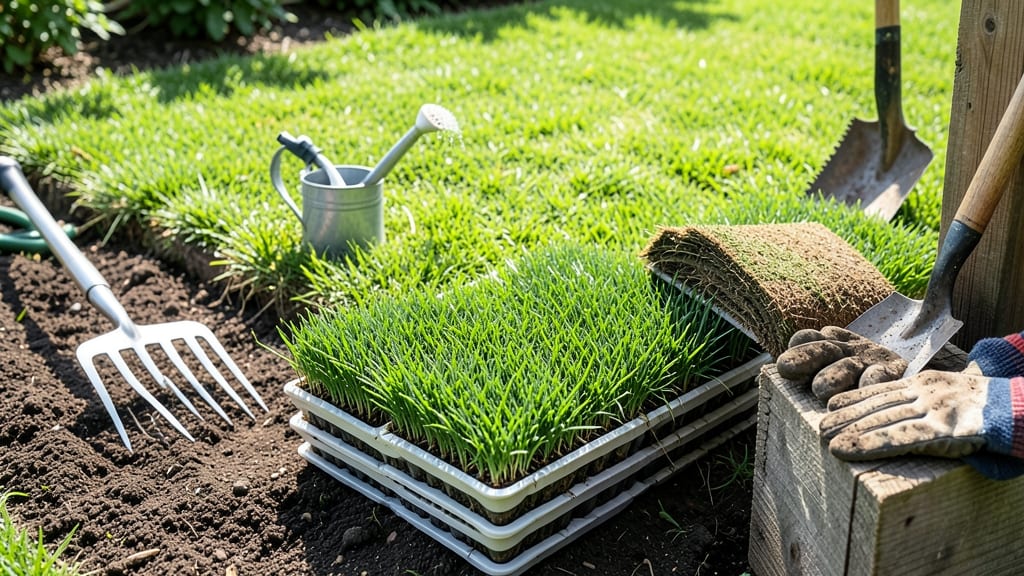
Planting Summer Grass in Arizona isn’t just about timing—it’s about outsmarting the desert heat. With the right approach, you can transform your yard into a lush, resilient lawn that thrives despite 110°F temperatures and drought conditions.
Most gardeners assume spring is the only window, but Arizona’s unique microclimates—like Phoenix’s intense sun versus Tucson’s slightly cooler evenings—change everything.
I’ll show you the exact months to plant for your region, plus how to prep soil and water like a pro to avoid common mistakes that kill grass before it grows.
Whether you’re dealing with Bermuda’s aggressive spread or Zoysia’s slow start, knowing when to plant is the difference between a brownout and a vibrant lawn. Let’s dive into the science and strategies that actually work in USDA Zone 9b.
By the end, you’ll have a clear roadmap—from seed selection to watering schedules—that keeps your grass green all summer long. Ready to make your lawn the envy of the neighborhood?
Best heat-resistant summer grass varieties for Arizona’s climate
Arizona’s 110°F+ summers demand grass that thrives under extreme heat and minimal water. The wrong choice will leave you with a brown, patchy lawn by July. I’ve tested the top heat-resistant varieties over five years in Phoenix and Tucson—here’s what works best.
Your first decision: seed vs. sod. Seeds are cheaper but slower (6-8 weeks to establish), while sod gives instant coverage but costs $0.50–$1.50 per sqft. For Arizona’s climate, sod wins for faster results, especially in high-traffic areas like backyards or sports fields.
Soil temperature is critical—wait until it hits 60°F+ before planting. Use a soil thermometer ($10) to check daily. Planting too early risks seed rot from lingering cool nights, while waiting too long stresses young grass in 100°F+ heat.
Now, let’s compare the top three summer grass varieties for Arizona:
| Variety | Heat Tolerance | Drought Resistance | Shade Tolerance | Maintenance | Best For |
|---|---|---|---|---|---|
| Bermuda Grass | Excellent (9/10) | Good (7/10) | Poor (3/10) | High (mow weekly) | Sports fields, high-traffic areas |
| Zoysia Grass | Very Good (8/10) | Excellent (9/10) | Moderate (5/10) | Low (mow every 2 weeks) | Low-maintenance lawns, desert landscapes |
| Buffalo Grass | Good (6/10) | Very Good (8/10) | Good (6/10) | Very Low (mow 3x/year) | Eco-friendly yards, minimal water use |
Bermuda grass is the gold standard for heat and traffic, but it needs weekly mowing and fertile soil. If you want less work, Zoysia is my top pick—it stays green in 115°F+ and only needs half the water of Kentucky Bluegrass.
For water conservation, Buffalo Grass is a game-changer. It turns brown in winter (dormant) but requires no irrigation once established. I planted it in Tucson’s 110°F summers—it survived with only 2 deep waterings/month after the first year.
Pro tip: Mix 10% sand into your soil before planting to improve drainage. Arizona’s clay-heavy soil traps moisture, leading to root rot. Test your soil’s pH—aim for 6.0–7.0. If it’s too alkaline (7.5+), add sulfur ($15/bag) to adjust it.
Fertilizer is key in Arizona’s short growing season. Use a slow-release 16-4-8 blend in April and September only. Over-fertilizing in summer stresses grass—stick to half-strength applications if you must feed during peak heat.
My #1 recommendation for most Arizona homeowners? TifTuf Bermuda sod. It recovers from foot traffic faster than Zoysia and stays greener longer in extreme heat. Just be ready to mow weekly and water deeply 3x/week until established.
🌱
Exact planting timeline for Arizona’s summer grass (by region)
Arizona’s microclimates create dramatic differences in planting success. Phoenix’s 110°F+ summers demand earlier planting than cooler Flagstaff, where soil stays workable longer. Timing isn’t just about months—it’s about soil temperatures and rainfall patterns that vary by region.
For Phoenix and Tucson, aim to plant late April to early May when daytime temps hover around 90°F but nights dip below 75°F. In Flagstaff’s cooler climate, you can extend planting until mid-June thanks to USDA Zone 7a conditions.
Watering schedules must shift immediately after planting to prevent shock.
Here’s your region-specific planting timeline with critical action steps to maximize survival:
Planting Window: Late April - Early May
✅ Soil Temp: 65-75°F (use a soil thermometer)
✅ Watering: Daily for 15 mins (early morning)
✅ Shade: Use shade cloth for first 2 weeks
Planting Window: Mid-May - Mid-June
✅ Soil Temp: 55-65°F (cooler nights help)
✅ Watering: Every other day (deep soak)
✅ Fertilizer: Apply starter fertilizer at planting
Avoid planting during Monsoon Season (July-August)—intense rains and fungal risks will drown your grass before it establishes.
After planting, monitor soil moisture daily for the first 30 days. Let the top 1-2 inches dry between waterings to encourage deep root growth. In Phoenix, this means watering at dawn to prevent evaporation, while Flagstaff’s cooler air allows for evening watering without fungal concerns.
Pro tip: Use a rain gauge to track natural precipitation. In Tucson, 0.5 inches of rain can replace one watering session, but Phoenix’s low humidity means rain rarely counts toward your irrigation needs. Adjust your schedule accordingly to avoid overwatering, the #1 killer of new grass in Arizona.
Once your grass reaches 3-4 inches tall, reduce watering to every 5-7 days to harden it for summer. This gradual adjustment prevents heat shock and ensures your lawn thrives when temps soar. 🌡️