
Plants
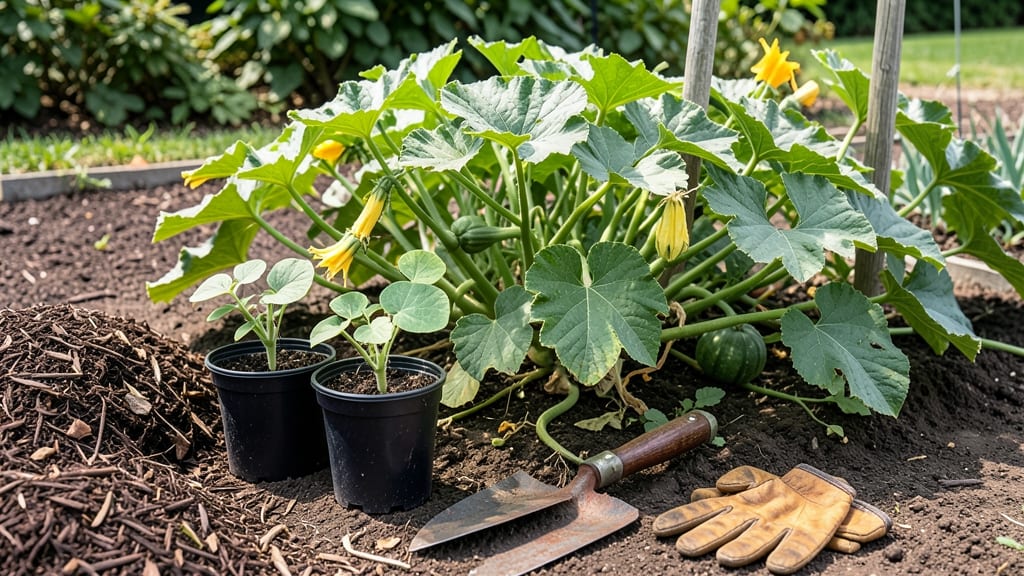
If you're wondering when to plant pumpkins in Kansas, timing is everything—especially in Heat Zones 5B and 6A, where a late frost or early chill can ruin your harvest.
The key is planting after the last frost, but not so late that your pumpkins 🎃 won’t mature before fall’s first freeze.
For Kansas gardeners, the sweet spot is mid-April to early June, once soil temperatures hit 60°F and the risk of frost has passed. This window gives your vines enough time to spread, flower, and produce pumpkins before the first frost in late September or October.
But here’s the catch: not all pumpkin varieties thrive on the same schedule. Fast-maturing types need an earlier start, while giant pumpkins benefit from a later planting. I’ll break down the best planting dates for your zone and share tips to adjust for Kansas’ unpredictable weather.
Ready to grow a harvest-worthy pumpkin patch? Let’s dive into the exact planting calendar and pro strategies to beat Kansas’ climate challenges.
Kansas pumpkin planting calendar: exact dates for heat zones 5B and 6A
Planting pumpkins in Kansas isn’t just about the calendar—it’s about soil temperature, last frost dates, and matching your variety to the 160-190 frost-free days you’ll have. In Heat Zone 5B (most of Kansas), aim for mid-April to early June, while Zone 6A gardeners can start slightly earlier.
But don’t rush: pumpkin seeds need soil temps of 60°F+ to sprout reliably.
Kansas’ unpredictable spring weather throws a wrench into planning. A late frost in May can wipe out seedlings, while early plantings in Zone 5B might not mature before fall’s chill. The key? Align planting with soil warmth, not just air temperature.
Use a soil thermometer—60°F is your magic number for germination. In my garden, I’ve seen seeds rot in 50°F soil even when daytime temps were pleasant.
For direct-sowing (the preferred method for pumpkins), wait until after your average last frost date—typically April 15 for Zone 6A and May 1 for Zone 5B. But check your local Kansas State University Extension frost charts, as microclimates vary wildly.
I once planted ‘Jack Be Little’ in early April in Wichita (Zone 7a) and lost everything to a late freeze—lesson learned!
If you’re growing giant pumpkins (like ‘Atlantic Giant’), you’ll need to start seeds indoors 4-6 weeks before transplanting—usually mid-March for Zone 6A and late March for Zone 5B.
These varieties need 120+ days to maturity, so timing is critical. Smaller varieties (75-90 days) give you more flexibility for late May or early June plantings.
🎃 PRO TIP: Use black plastic mulch to warm soil faster and extend your planting window by 1-2 weeks. I’ve seen it raise soil temps by 10°F+ on sunny days, which is a game-changer for Zone 5B gardeners.
📅 Kansas Pumpkin Planting Summary
| Zone | Planting Window | Soil Temp Requirement | Best Varieties | Harvest Window |
|---|---|---|---|---|
| 5B | Late April–Early June | ≥60°F | ‘Sugar Pie’, ‘Cinderella’ (75-90 days) | Late Sept–Early Oct |
| 6A | Mid-April–Late May | ≥60°F | ‘Howden’, ‘Jarrahdale’ (90-110 days) | Mid-Sept–Late Oct |
| Both Zones | Indoor Start: Mid-March (Zone 6A) | N/A (transplant after frost) | ‘Atlantic Giant’, ‘Mammoth’ (120+ days) | Late Oct (if frost-free) |
🌱 Note: Adjust for early/late frosts—Zone 5B may need June plantings for second crops.
Don’t assume all pumpkins thrive in Kansas’ hot, dry summers. Bush varieties like ‘Waltham Butternut’ handle heat better than vining types, which can wilt under 90°F+ temps.
I’ve had ‘Cinderella’ pumpkins shrivel in August heat—mulch and shade cloth saved my harvest. For vining varieties, trellising (yes, pumpkins!) can improve air circulation and reduce disease.
If you’re aiming for Halloween displays, prioritize early-maturing varieties planted by May 15. ‘Jack Be Little’ (75 days) and ‘Sugar Pie’ (80 days) are my top picks for Zone 5B. For longer storage, choose ‘New England Pie’ (100 days)—it keeps until December if cured properly.
Remember: Kansas’ first frost typically hits October 15, but it can arrive as early as September 20 in Zone 5B. Use row covers to extend the season by 2-3 weeks if needed. I’ve had ‘Howden’ pumpkins survive until November 1 with protection—though they’re not ideal for carving by then!
For a second crop, plant fast-maturing varieties in late June (Zone 6A only). ‘Peter Pan’ (70 days) can still produce small pumpkins by September 15, giving you a late-season harvest. Just be prepared to hand-pollinate flowers if bees are scarce—Kansas’ summer droughts can thin their populations.
How to adjust pumpkin planting for Kansas’ unpredictable weather patterns
Kansas’ weather can throw curveballs—late frosts in May, sudden heatwaves, or drought spells that stall pumpkin growth. If you’ve ever planted pumpkins only to watch them wilt under unexpected stress, you’re not alone.
The key is flexibility in your planting strategy, especially when dealing with Heat Zones 5B and 6A. I’ve learned that adjusting for Kansas’ quirks—like using black plastic mulch or having backup planting dates—can mean the difference between a failed patch and a jackpot harvest.
First, soil temperature is your best early warning system. Pumpkin seeds need soil that’s at least 60°F to sprout, but Kansas soils can take longer to warm up, especially after a cold snap.
If your soil is still chilly by mid-May, don’t rush—waiting a week or two can save you from rotten seeds and leggy seedlings. I’ve even used a soil thermometer to double-check before planting, and it’s paid off every time.
Drought is another Kansas wildcard. Pumpkins are thirsty plants, but they hate soggy roots. If your forecast calls for dry conditions, mulch heavily with straw or leaves to lock in moisture.
I’ve also found that drip irrigation keeps water right at the roots without wetting the foliage, which cuts down on powdery mildew—a common problem in Kansas’ humid summers. And if a heatwave hits? Water deeply in the early morning to cool the soil and reduce stress.
For heatwaves, shade cloth can be a lifesaver. If temperatures climb above 95°F, pumpkin vines can stop flowering, which means fewer pumpkins. I’ve used 30% shade cloth over young plants during peak heat, then removed it once they’re established.
It’s a small effort that protects your investment when Kansas’ sun turns brutal.
Finally, have a backup planting plan. If your first batch gets hit by hail or disease, you’ll want seeds ready to go by June 1—even if it’s cutting it close.
Fast-maturing varieties like ‘Jack Be Little’ (75 days) can still produce small but usable pumpkins if planted in early June. It’s not ideal, but it beats losing your entire crop to bad luck.
Pro Tip: Keep a planting journal to track what works in your specific Kansas microclimate. Note when you planted, any weather surprises, and how your pumpkins performed. Over time, you’ll spot patterns—like if your garden always gets a late frost on Mother’s Day or if July droughts are inevitable. That’s the secret to consistent success in Kansas’ unpredictable growing season.
🌱