
Plants
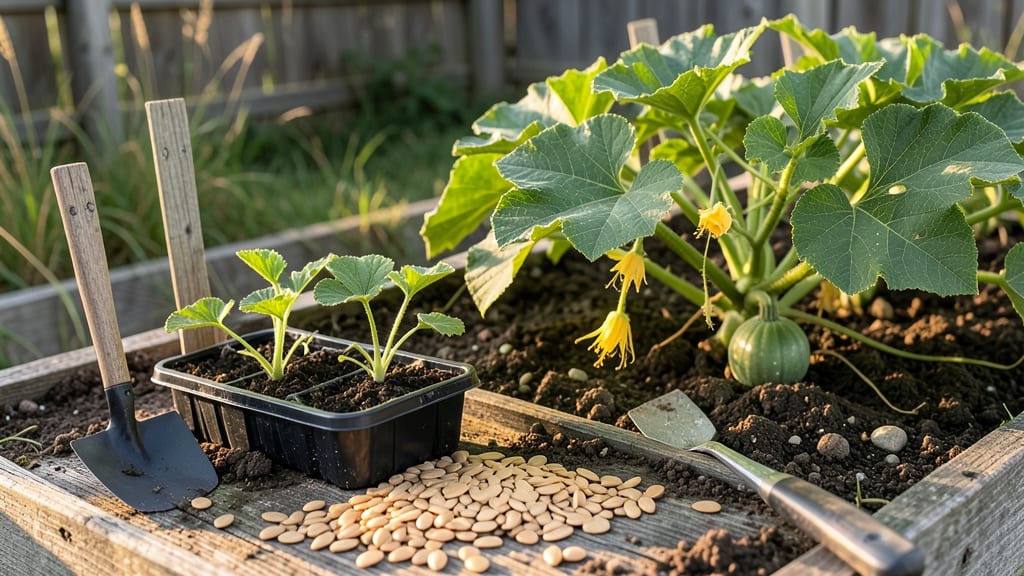
Planting pumpkin seeds in Indiana at the wrong time could leave you with wilted vines or tiny fruit—so getting the timing right in USDA Zone 6a is everything. The ideal window is late April to early May, after your last frost date, when soil temperatures hit 60°F consistently.
But with Indiana’s unpredictable spring weather, knowing exactly when to start (and whether to begin indoors) makes all the difference for a bountiful harvest.
Most gardeners wait until mid-May to sow directly in the ground, but early starters use row covers or cold frames to push seeds into the soil as soon as April 15 passes. This head start gives vines a competitive edge before summer heat sets in.
If you’re growing jack-o’-lantern varieties, timing is even more critical—they need 90-120 days to mature, so late plantings risk frost damage before harvest.
Here’s the game-changer: Indiana’s microclimates mean your neighbor’s perfect planting window might not work for you. Northern regions (like Zone 5b) often wait until early May, while southern areas can start sooner.
We’ll break down the exact deadlines, soil prep tricks, and companion plants to maximize your 🎃 yield—so you don’t end up with half-grown pumpkins when fall rolls around.
Ready to turn your garden into a pumpkin patch? Let’s dive into the step-by-step timeline that’ll have your vines sprawling and your harvest overflowing by October. No more guesswork—just proven strategies for Indiana’s growing season.
Indiana pumpkin planting calendar: exact dates for USDA Zones 5b/6a by variety type
Indiana’s USDA Zones 5b/6a demand precision when planting pumpkin seeds, especially with a 165-day frost-free window. The last average frost date in most of Indiana falls around April 15, but soil temperatures must reach 60°F+ before planting.
This typically means waiting until late April to early May for direct seeding.
For summer squash varieties like zucchini or pattypan, you can plant 2-3 weeks earlier (mid-April) since they mature faster (50-60 days). Winter squash (e.g., Hubbard, Butternut) and jack-o'-lantern types need the full 90-120 days to harvest, so they require the latest May planting to avoid frost damage.
Here’s how to align your planting with Indiana’s microclimates. Northern Indiana (e.g., Fort Wayne) has a shorter season, while southern Indiana (e.g., Louisville) can push planting 1-2 weeks later. Always check your local frost dates via the Indiana State Climate Office for precision.
🎃
| Variety Type | USDA Zone 5b Planting Window | USDA Zone 6a Planting Window | Soil Temp Requirement | Days to Maturity | Notes |
|---|---|---|---|---|---|
| Summer Squash (Zucchini, Patty Pan) | Mid-April to early May | Late April to early May | 60°F+ | 50-60 days | Plant 2-3 weeks before frost date |
| Winter Squash (Butternut, Acorn) | Late April to mid-May | Early May to late May | 60°F+ | 80-100 days | Use row covers for early starts |
| Jack-O'-Lantern (Carving Varieties) | Early May to mid-May | Mid-May to late May | 60°F+ | 90-120 days | Prioritize late May for full harvest |
| Dwarf Varieties (e.g., 'Jack Be Little') | Late April to early May | Early May to mid-May | 60°F+ | 75-90 days | Ideal for containers or small spaces |
If you’re transplanting seedlings instead of direct seeding, start them indoors 4-6 weeks before your target outdoor planting date. Use biodegradable pots to avoid root disturbance, and harden them off for 7-10 days before transplanting after the last frost.
For late varieties or northern Indiana gardeners, consider black plastic mulch to warm soil faster. Lay it down 2-3 weeks before planting to create a 5-10°F warmer microclimate, extending your effective planting window by 10-14 days.
Spacing is critical—pumpkin vines spread 10-20 feet, so allocate 50-100 square feet per plant. In small gardens, opt for bush varieties like 'Sugar Pie' (6-10 ft spread) or trellis standard varieties to save space.
🌱
Pro tip: Mark your calendar for June 15 as your last chance to plant summer squash in Zone 5b. For winter squash, July 1 is the cutoff to ensure harvest before frost. Use a planting journal to track soil temps and adjust future years.
How to extend your Indiana pumpkin growing season: frost-proofing tips for early/late planting
Indiana’s unpredictable spring frosts can throw off even the best-laid pumpkin planting plans. But with the right strategies, you can safely plant pumpkin seeds 2-3 weeks earlier or stretch your harvest window into late October.
The key is understanding how to manipulate your garden’s microclimate and protect tender seedlings from late-season chills.
Most Indiana gardeners wait until after the last frost date (typically mid-to-late April), but if you’re eager to start sooner, row covers or cold frames can create a 5-10°F warmer environment.
For example, planting under a floating row cover in early April can give your seeds a 2-week head start before removing it once true leaves appear.
-
1. Use Black Plastic Mulch
Lay black plastic mulch 2-3 weeks before planting to warm soil to 60°F+ faster. This lets you plant 10-14 days earlier without frost risk. -
2. Start Seeds Indoors
Sow seeds 2-3 weeks before last frost in biodegradable pots. Transplant seedlings after soil warms to 60°F to avoid shock. -
3. Protect with Row Covers
Use floating row covers to shield seedlings from light frosts (28-32°F). Remove covers when vines start spreading to prevent overheating. -
4. Try Succession Planting
Plant a second batch in early June for a late-summer harvest. Choose fast-maturing varieties (75-80 days) like 'Jack Be Little' or 'Waltham Butternut'. -
5. Choose Cold-Tolerant Varieties
Opt for early-season types like 'Small Sugar' or 'Autumn Gold' that tolerate cooler soils better than giant pumpkins.
If you’re planting late in the season (June or early July), focus on heat-tolerant varieties like 'Cinderella' or 'Jarrahdale'. These handle Indiana’s summer humidity better and still mature before the first frost. For extra insurance, use drip irrigation to keep soil moist—dry spells in July can stunt growth.
Another trick? Plant near a south-facing wall or trellis to capture extra heat. Pumpkins thrive in warmth, and a 3-5°F temperature boost from reflected sunlight can mean the difference between a full vine and a struggling one. Just avoid planting in low-lying areas where cold air pools.
For gardeners in northern Indiana (Zone 5b), prioritize early-maturing varieties (75-90 days) like 'Autumn Gold' or 'Connecticut Field'. These give you a better buffer against early frosts. In southern Indiana (Zone 6a), you can afford slightly later plantings—even early June—for varieties like 'Howden' or 'Muskrat'.
Finally, keep an eye on your soil temperature. Pumpkin seeds need soil at 60°F or warmer to germinate. Use a soil thermometer to check—if it’s below 55°F, wait or use black plastic mulch to warm it up faster.
Patience here pays off with stronger vines and bigger pumpkins.