
Plants
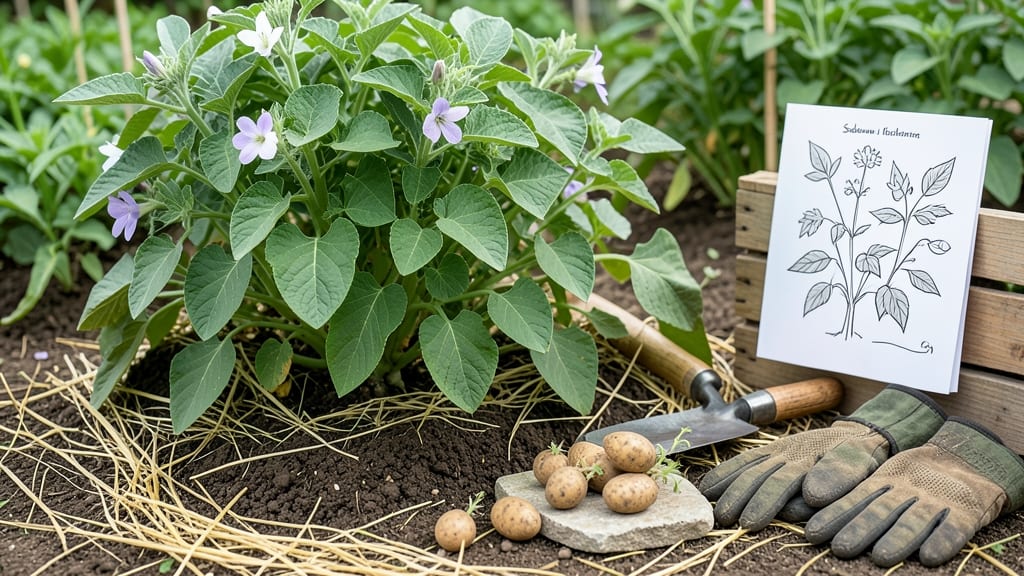
If you’ve ever wondered when to plant potatoes in Florida, the answer isn’t as straightforward as it seems—because Florida’s climate throws a curveball.
Unlike cooler regions where timing is simple, here, you’ve got to dance around humidity, heat spikes, and even microclimates that can shift 50°F in a single county. Get it wrong, and your 🥔 crop could bolt in the summer sun or rot before harvest.
Here’s the secret: Florida gardeners can actually plant potatoes year-round, but the best windows depend on where you live. Whether you’re in chilly North Florida or steamy South Florida, the right timing ensures sweeter tubers and fewer pests.
I’ll break down the exact months to start seeds or plant slips, plus how to tweak your schedule for your specific corner of the state.
You’ll also discover why spring planting is your safest bet for most of Florida—but with a twist. South Florida’s longer frost-free season lets you experiment with fall plantings, while North Florida gardeners need to act fast before summer’s heat sets in.
Let’s cut through the guesswork so you can enjoy homegrown spuds without the stress.
Ready to turn your Florida garden into a potato powerhouse? I’ll share pro tips for soil prep, shade strategies, and even which varieties thrive in your zone. No more second-guessing—just a foolproof plan for bountiful harvests no matter where you’re growing.
Florida potato planting calendar by region (with exact dates)
Growing potatoes in Florida isn’t just possible—it’s a year-round opportunity if you time it right. Unlike northern states, Florida’s mild winters and long growing seasons let you plant potatoes in both fall and spring.
But the exact timing depends on your region, since North Florida’s cooler temps differ drastically from South Florida’s tropical heat.
For North Florida (USDA Zones 8a-9a), like Jacksonville or Gainesville, your best bets are fall planting (late August to early October) and spring planting (February to early March). This avoids the brutal summer heat and gives tubers time to mature before frost risks creep in.
In Central Florida (Zones 9a-10a), you can stretch planting to late September through November and January to early April.
Meanwhile, South Florida (Zones 10a-11) gardeners enjoy year-round planting, but focus on fall (August-October) and winter (December-February) to escape the worst summer humidity. The key? Avoid planting when soil temps exceed 85°F—that’s a recipe for rot and disease.
Here’s the breakdown you’ve been waiting for—exact planting windows tailored to Florida’s three distinct regions:
| Region | Fall Planting Window | Spring Planting Window | Soil Temp Goal (°F) | Harvest Window |
|---|---|---|---|---|
| North Florida (Jacksonville, Gainesville) | Late August – Early October | February – Early March | 55–65°F | December – March |
| Central Florida (Orlando, Tampa) | Late September – November | January – Early April | 60–70°F | January – May |
| South Florida (Miami, Fort Lauderdale) | August – October | December – February | 65–75°F | October – April |
Pro tip: Use a soil thermometer to confirm temps before planting—55°F is ideal for seed potatoes to sprout without rotting. In North Florida, aim for 60–70 days to harvest; in South Florida, faster-maturing varieties like ‘Red Pontiac’ can be ready in 50–60 days.
One common mistake? Planting too early in spring when soil is still cold. If you’re in Central Florida and itch to plant in January, wait until soil warms to 60°F—otherwise, your tubers may develop hollow heart or rot.
For fall plantings, prioritize varieties that mature quickly before winter chills hit. In North Florida, ‘Kennebec’ is a reliable choice, while South Florida gardeners often prefer ‘Sweetheart’ for its heat tolerance and compact size.
Remember: Florida’s humidity and rainfall can turn your potato patch into a disease hotspot if not managed. Always plant in well-draining soil and avoid overhead watering to prevent blight.
Need a visual reminder? Bookmark this calendar and adjust based on your local microclimate—even neighboring towns can have 5°F temperature swings! 🌱
How to adjust planting times for Florida’s microclimates (even in one county!)
Florida’s microclimates can create dramatic differences in just a few miles—like the 10°F temperature swings between Gainesville’s hills and Ocala’s flatlands. Even within one county, urban heat islands or elevation shifts can alter your potato planting window by weeks.
The key? Adjusting for soil warmth, shade availability, and heat-sensitive varieties.
For example, North Florida gardeners in Zone 8b (like Tallahassee) can plant seed potatoes in late February, while just 100 miles south in Zone 9a (Gainesville), the same task waits until mid-March.
In South Florida’s Zone 10b, potatoes thrive year-round—but only with shade cloth during peak summer heat.
Here’s how to fine-tune your timing based on local conditions:
🌡️ Microclimate Adjustments for Florida Potatoes
- 📍 Urban Areas: Plant 2–3 weeks later due to heat island effect (soil stays warmer).
- 🏞️ Hills/Mountains: Soil warms 1–2 weeks earlier than valleys. Test with a soil thermometer (aim for 55°F+).
- 🌿 Shady Spots: Use heat-tolerant varieties (e.g., ‘Red LaSoda’) and plant 4–6 weeks earlier than full-sun areas.
- 🌊 Coastal Zones: Humidity increases disease risk—space plants 12 inches apart and mulch heavily.
💡 Pro Tip: Monitor your local AgroClimate station for real-time soil data—Florida’s UF/IFAS tool is a game-changer!
If you’re in a transitional zone (like Orlando’s Zone 9b), split your planting into two batches: one in early spring for cooler weather and another in late summer to avoid 90°F+ soil.
For container growing, use black pots to absorb heat faster—ideal for balconies in Miami where soil never cools down.
Watch for heat stress signs like yellowing leaves or stunted growth. If your plants wilt by 10 AM, they’re struggling—provide drip irrigation and morning watering to prevent blossom-end rot. Mulching with straw or wood chips keeps roots 5°F cooler during Florida’s brutal summer afternoons.
Remember: Florida’s frost-free season is long, but heat is the real enemy. By adjusting for your microclimate, you’ll avoid 50% yield loss from poor timing.
Start with a small test batch in your local planting window, then scale up as you master the rhythm of your garden’s unique climate.