
Plants
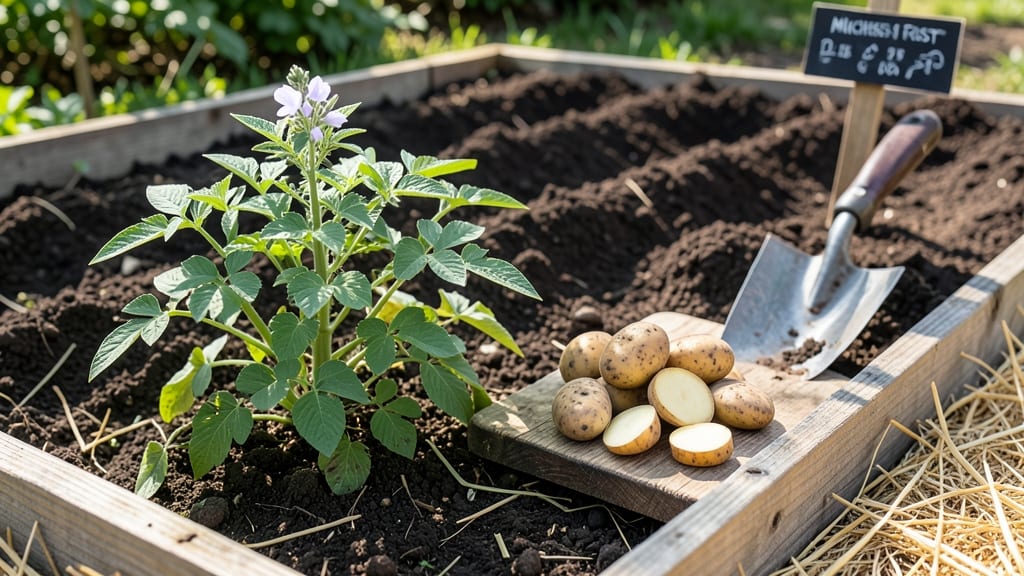
Knowing when to plant potatoes in Michigan can mean the difference between a bountiful harvest and wasted effort. With frost dates shifting from April 15 in the Upper Peninsula to late May in southern counties, timing your 🥔 planting just right is the key to success.
Michigan’s diverse climate—spanning USDA zones 5b-6b—means what works in Detroit might fail in Traverse City. Plant too early, and a late frost will kill your tender sprouts; too late, and you’ll miss the 90-day growing window needed for most varieties.
In this guide, I’ll break down the exact planting windows by county, recommend cold-hardy varieties for early starts, and share pro tips to extend your season. Whether you’re a first-time gardener or a veteran grower, these insights will help you avoid common mistakes and maximize your yield.
Ready to dig in? Let’s get your potatoes in the ground at the perfect moment for your corner of Michigan—no guesswork required.
Michigan potato planting dates by county: frost-free zone calculator
Determining the perfect time to plant potatoes in Michigan depends on your county’s last average frost date, soil temperature, and potato variety.
Michigan State University recommends planting 4-6 weeks before your last frost, but this varies from early April in southern Michigan to late May in the UP. Let’s break it down by region to ensure your potatoes thrive.
For example, gardeners in Wayne County (Detroit area) can start planting as early as mid-April, while those in Marquette (UP) should wait until mid-May. Soil temperature is critical—potatoes need 45°F (7°C) for germination, so always check before planting.
Use a soil thermometer or wait for daytime highs to consistently reach 50°F (10°C).
Here’s a quick reference for Michigan’s planting zones based on historical frost data:
| County/Region | Last Avg. Frost | Ideal Planting Window | Notes |
|---|---|---|---|
| Wayne, Oakland, Macomb | April 15 | Mid-April to early May | Early varieties like ‘Red LaSoda’ excel here. |
| Kalamazoo, Grand Rapids | April 22 | Late April to early May | Use row covers for early starts. |
| Traverse City, Northern MI | May 5 | Late April to mid-May | Cold-hardy ‘Kennebec’ works well. |
| Marquette, UP | May 15 | Mid-May to early June | Wait for soil to warm; use black plastic mulch. |
If you’re unsure about your county’s frost date, Michigan State University’s Michigan Weather and Climate resources or local Cooperative Extension offices can provide precise data. For example, Berrien County (southwest MI) averages frost-free by April 20, while Houghton County (UP) often waits until May 20.
Always plant 2-3 weeks before your last frost to account for unpredictable late frosts.
For early varieties like ‘Early Red’ or ‘Yukon Gold’, you can start seed potatoes indoors 6-8 weeks before transplanting (around mid-March for southern Michigan). Chit (sprout) your potatoes in a cool, bright spot before planting to give them a head start.
This is especially useful if your soil is still cold or wet in early spring.
Pro tip: Use a planting calendar or set reminders based on your county’s frost dates. For instance, if your last frost is May 1, aim to plant by April 15.
This ensures tubers have 90-120 days to mature before the first frost in October. Miss this window, and you’ll risk small, underdeveloped potatoes.
Another key factor is soil preparation. Potatoes thrive in loose, well-draining soil with a pH of 5.0-6.5. Work in compost or aged manure 2-3 weeks before planting to improve fertility.
Avoid fresh manure, which can burn roots and attract pests. In colder regions like the UP, consider raising beds or using black plastic mulch to warm the soil faster.
Finally, don’t overlook fall planting for late-season varieties. In southern Michigan, you can plant Irish Cobbler or Kennebec as late as early July for a fall harvest. These varieties mature quickly (in 60-70 days) and can be harvested before the first frost.
Just be sure to use row covers to extend the season if needed.
🥔
How to adjust potato planting for Michigan’s microclimates
Michigan’s climate isn’t one-size-fits-all—southern counties like Wayne and Monroe enjoy warmer springs, while the Upper Peninsula battles frost well into May. Adjusting your planting strategy for these microclimates can mean the difference between a bountiful harvest and wasted seed potatoes.
In warmer southern Michigan, where last frost dates average April 15, you can start planting as early as late March under row covers or in a greenhouse. But in northern zones like Chippewa or Mackinac, wait until mid-May—frost can linger until May 20 or later.
For cold-sensitive varieties like ‘Red Pontiac’, use black plastic mulch to warm soil 5-10°F faster than bare ground. In cooler regions, opt for early-maturing varieties (e.g., ‘Early Rose’) that tolerate 40°F soil temps—critical for UP gardeners.
- 📅 Southern MI: Plant March 20–April 15 (use row covers for early starts).
- 🥶 Northern MI/UP: Wait until May 1–15 (soil must reach 45°F+).
- ☀️ Soil warming: Black plastic mulch raises temps 5–10°F in 2 weeks.
- 🌿 Cold-hardy picks: ‘Yukon Gold’ (tolerates 35°F), ‘Kennebec’ (60–90 days).
- 🛡️ Frost protection: Use floating row covers until danger of frost passes.
Row covers (like Reemay fabric) add 5–8°F protection and let you plant 2–3 weeks earlier in marginal zones. Remove them when flowers appear to prevent excess heat stress. For late starts, choose long-day varieties like ‘LaSoda’ (120 days) to compensate for shorter growing seasons.
Soil temperature is your best guide—use a soil thermometer to confirm 45°F+ before planting. In sandy soils (common in UP), warm up faster but dry out quicker; amend with compost to retain moisture. Clay-heavy soils in southern Michigan hold cold longer—plant raised beds for faster warming.
Pro tip: Test your microclimate by planting a trial row of fast-maturing ‘Red LaSoda’ in early April. If it thrives, you can safely expand planting dates next year. For high-risk areas, stagger plantings every 2 weeks to spread harvest timing and reduce losses from unexpected frost.
Remember, Michigan’s growing season averages 160 frost-free days, but UP gardeners often see just 120–140 days. Plan accordingly—early varieties are your best friend in colder zones! 🌱