
Plants
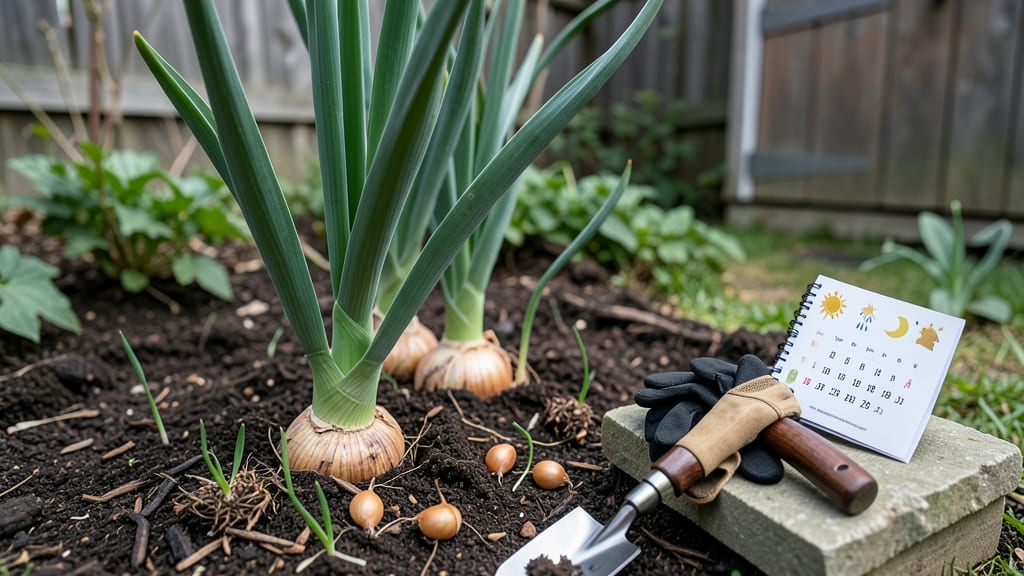
Planting onions in Missouri at the wrong time can turn your 🧅 dreams into disappointment—whether you end up with sad scallions or bulbs stunted by frost. The key to plump, flavorful harvests lies in understanding your zone's frost dates and adjusting your schedule accordingly.
Missouri gardeners in zones 5b-6a have two prime planting windows: spring (March-April) and fall (September-October). But timing isn't just about months—it's about counting 6-8 weeks before the first frost for fall planting or 4-6 weeks before the last frost in spring. This ensures bulbs mature properly before cold sets in.
Why does this matter? Onions need consistent warmth to form bulbs, and Missouri's unpredictable spring weather can throw off even the best-laid plans.
I'll show you exactly how to calculate your ideal planting dates based on your specific location in the state, plus strategies to handle late frosts and soil temperature fluctuations.
Ready to grow onions that rival store-bought? Let's dive into the science-backed schedule that guarantees bulb success—no more guessing games about when to plant your 🧅 for maximum harvest potential in Missouri's climate.
Missouri onion planting calendar: exact weeks before frost for bulbs
Missouri’s USDA zones 5b-6a create a unique challenge for onion growers. The last spring frost typically arrives around April 15, but northern Missouri can see frost as late as May 1.
To form plump bulbs instead of scallions, timing is critical—plant too early, and you’ll get leafy greens; too late, and frost stunts growth.
Onions need 120-150 frost-free days to mature. Missouri’s 165-day growing season gives us two planting windows: spring (March-April) and fall (September-October). The key is calculating 6-8 weeks before the first frost for fall planting or 4-6 weeks before the last frost for spring.
Missouri’s climate varies dramatically—northern counties (like St. Louis) have shorter growing seasons than southern regions (like Springfield). Always check your local frost dates via the Missouri State Climate Office or Old Farmer’s Almanac for precision.
| Planting Window | Missouri Zones | Frost-Free Days Needed | Best Planting Time | Harvest Window |
|---|---|---|---|---|
| Spring | 5b-6a | 120-150 days | March 15-April 15 (4-6 weeks before last frost) | June-July |
| Fall | 5b-6a | 90-120 days | September 1-October 1 (6-8 weeks before first frost) | September-October |
| Northern MO (e.g., St. Louis) | 5b | 130-140 days | March 20-April 10 (later frost risk) | Late June-July |
| Southern MO (e.g., Springfield) | 6a | 140-150 days | March 1-April 15 (earlier frost risk) | June-July |
✅ Pro Tip: Use short-day varieties (like 'Texas Early White') for northern MO and intermediate-day (like 'Sweet Sandwich') for southern MO.
For spring planting, start onion sets (small bulbs) or transplants in early March if your soil is workable. Use row covers if nights dip below 40°F to protect young plants. If using seeds, sow indoors 8-10 weeks before last frost for transplants.
Missouri’s fall planting offers a second harvest but requires precision. Aim for September 1-October 1, ensuring onions mature before first frost. Yellow storage onions (like 'Yellow Granex') perform well in fall but need 60-90 days to bulb up—check your local frost date!
Missouri gardeners often overlook soil temperature, but onions need 40-60°F soil to germinate. Use a soil thermometer—if temps are below 45°F, wait or use black plastic mulch to warm the soil faster. Cold soil delays growth and increases disease risk.
One common mistake is planting long-day onions (like 'Sweet Spanish') in Missouri—they’ll bolt and go to seed instead of bulbing. Stick to short-day or intermediate-day varieties for reliable results. For example, 'Texas Early White' (short-day) thrives in northern MO, while 'Red Baron' (intermediate) works statewide.
Extend your season with successive planting: Sow onion sets every 2 weeks from March to May for a continuous harvest. In fall, plant one batch in early September for a late-season crop.
Just remember—never plant onions in the same spot two years in a row to prevent disease buildup.
Missouri’s variable weather means flexibility is key. If spring arrives late, delay planting until soil warms—onions won’t grow in cold, wet soil. For fall, monitor frost predictions and adjust planting dates accordingly. With the right timing, you’ll enjoy homegrown onions from June through October!
How to adjust planting for Missouri’s unpredictable spring weather
Missouri’s spring weather is famously unpredictable—one day warm enough to plant, the next with a surprise frost. If you’ve ever watched your onion seedlings turn to mush overnight, you know how critical it is to adjust planting times based on real-time conditions.
The key is balancing soil warmth, frost risk, and plant maturity to ensure bulbs form properly.
Start by monitoring your local frost forecasts (like those from the National Weather Service) and using a soil thermometer to check when temperatures consistently stay above 50°F. Onions need warm soil to thrive, but planting too early in cold soil can stunt growth and invite rot.
If your soil is still chilly, consider using black plastic mulch or straw covers to warm it up faster.
Here’s my backup plan for when spring drags on: If frost warnings linger past your ideal planting window, opt for onion sets (small bulbs) instead of seeds. Sets mature faster—typically in 60-70 days—so you can still harvest before summer heat sets in.
For seeds, which take 100-120 days, delay planting until late April or even early May if early frosts threaten.
⚠️ Late Frost Warning: What to Do
If frost hits after planting: Cover seedlings with frost cloth or old bedsheets secured with bricks. Remove covers when temps rise above 32°F to avoid overheating. For extra protection, build a mini hoop tunnel with PVC pipes and plastic sheeting—it’s a game-changer for extending the season.
Don’t forget to space your onions correctly—crowding stresses plants and reduces bulb size. Aim for 4-6 inches apart in rows spaced 12-18 inches apart. If you’re planting in raised beds, this spacing gives roots room to expand without competing for nutrients.
Water deeply after planting to settle the soil and encourage root growth, but avoid overwatering, which can lead to bolting (premature flowering).
For fall planting, the stakes are even higher. Onions need 6-8 weeks of cool weather to mature before winter sets in. If your area has early frosts (like northern Missouri), stick to short-day varieties and plant by September 1st.
In southern Missouri, you can push it to mid-October, but always have frost cloth on hand. A late harvest in fall? That’s a recipe for freezer burn or mushy bulbs.
Pro tip: Keep a gardening journal to track your planting dates, frost occurrences, and harvest results. Over time, you’ll spot patterns in your microclimate—like that one year your backyard stayed frost-free a week longer than the forecast predicted.
Adjust your schedule accordingly, and you’ll master Missouri’s mood swings like a pro. 🌱