
Plants
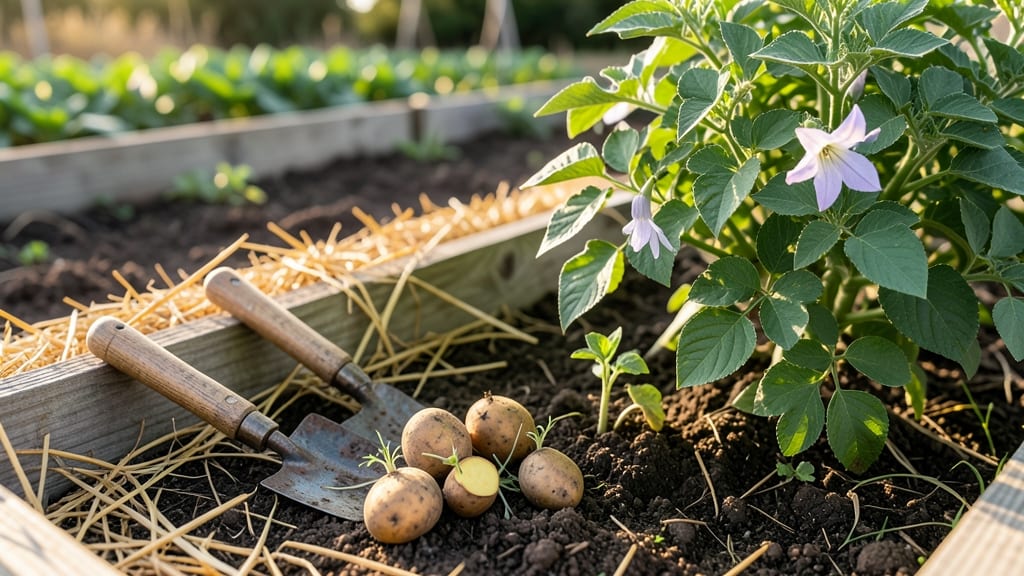
If you're planting potatoes in Michigan this spring, getting the timing right could mean the difference between a bountiful harvest and a disappointing yield. The ideal window opens just 4-6 weeks before your last frost date, typically landing in mid-April to early May for most regions.
Michigan’s 5b-6b climate zones mean you’ll need to adjust slightly depending on whether you're in the Upper or Lower Peninsula, but the core principle remains: wait until the soil warms to 45-50°F and all danger of frost has passed. That’s when your 🥔 seed potatoes get the perfect start.
I’ve seen gardeners rush planting too early only to watch their crops struggle with cold soil or late frosts. But timing it just right—especially with early varieties—can give you potatoes ready for harvest by late June. Let’s break down exactly how to nail this window for maximum success.
You’ll also learn whether to chit your potatoes indoors, how to space them properly, and which varieties thrive best in Michigan’s shorter growing season. With these strategies, you’ll be digging up those golden tubers before you know it.
Michigan’s last frost dates: exact weeks before planting potatoes for optimal growth
Michigan’s last frost dates are the golden rule for potato planting—get them wrong, and your tubers may never reach their full potential. The Upper Peninsula typically sees its last frost around May 10-15, while the Lower Peninsula warms up faster, usually by April 25-May 5.
To maximize yields, plant your seed potatoes 4-6 weeks before these dates, ensuring soil temperatures hit 45-50°F.
For example, if your region’s last frost is May 1, aim to plant by mid-March to late March.
This window gives tubers time to establish roots before the ground thaws completely. Traverse City gardeners can start as early as late March, while Detroit-area growers should wait until early April to avoid frost damage.
Soil temperature is just as critical as frost dates. Potatoes thrive when soil reaches 45-50°F, which usually happens 2-3 weeks before the last frost. Use a soil thermometer to confirm—cold soil slows sprouting and increases disease risk.
If temperatures lag, opt for early-maturing varieties like 'Yukon Gold' or 'Red Norland' to compensate.
🌱
| Region | Last Frost Date | Ideal Planting Window | Soil Temp Goal |
|---|---|---|---|
| Upper Peninsula | May 10-15 | April 15-May 1 | 45-50°F |
| Lower Peninsula (Northern) | April 25-May 5 | March 25-April 15 | 45-50°F |
| Lower Peninsula (Southern) | April 15-25 | March 15-April 5 | 45-50°F |
Pro tip: If you’re planting in containers or raised beds, warm them up faster by covering with black plastic mulch 2 weeks before planting. This trick adds 5-10°F to soil temperature, giving you an earlier start. Just remove the mulch once sprouts emerge to prevent overheating.
Another key factor is variety selection. Early varieties like 'Early Rose' mature in 60-70 days, while late varieties like 'Kennebec' need 90-120 days. Plant early potatoes 2 weeks before your usual window to ensure they’re ready before summer heat sets in.
For late varieties, consider a second planting in early June for a fall harvest.
Don’t forget to chit your seed potatoes—placing them in a bright, cool spot 4-6 weeks before planting encourages sprouts to form. This head start means faster emergence and a longer growing season. Just avoid direct sunlight, which can turn sprouts green and bitter.
🌿
Finally, Michigan’s short growing season demands precision. If you miss the spring window, you can still plant late varieties in early June, but expect smaller yields. For maximum success, mark your last frost date on your calendar and count backward 6 weeks—that’s your planting deadline.
With this timing, you’ll enjoy homegrown potatoes from late July through October.
☀️
4 Critical factors that determine the best planting time for Michigan potatoes
Planting potatoes in Michigan isn’t just about avoiding frost—it’s about mastering four key factors that can make or break your harvest. From soil temperature to seed quality, each plays a crucial role in ensuring your potatoes thrive from sprouts to harvest. First, soil temperature is non-negotiable. Potatoes need soil that’s warmed to 45-50°F before planting. In Michigan, this typically means waiting until late April or early May, when the ground has thawed and warmed sufficiently. Cold soil can stunt growth or even kill your seedlings before they start.Next, the quality of your seed potatoes matters more than you might think. Certified disease-free seed potatoes from a nursery give you a head start, while store-bought potatoes may carry diseases like blight or rot.
If you’re using store-bought, cut them into pieces with at least two eyes each and let them chit (sprout) indoors for 3-4 weeks before planting. This jumpstarts growth and ensures faster emergence once soil temperatures are ideal.
Choosing the right potato variety for Michigan’s short growing season is another game-changer.
Early-maturing varieties like ‘Yukon Gold’ or ‘Red Pontiac’ (90 days to harvest) are perfect for planting in early spring, while late varieties like ‘Russet’ (120 days) need to go in the ground by mid-May to mature before frost.
Always check the days-to-maturity label and count backward from your region’s first frost date.
Finally, container gardening or raised beds can shift your planting window slightly. In Michigan’s cooler climate, containers warm up faster than in-ground soil, allowing you to plant 2-3 weeks earlier than traditional beds.
Just ensure your containers have drainage holes and use a lightweight potting mix to prevent waterlogging, which potatoes hate.
Soil Temperature
Wait until soil reaches 45-50°F (late April–early May in Michigan). Use a soil thermometer to check.
Seed Potato Quality
Use certified seed potatoes or chit store-bought ones indoors for 3-4 weeks before planting.
Variety Selection
Early varieties (90 days) for spring; late varieties (120 days) for mid-May planting.
Growing Method
Containers warm faster—plant 2-3 weeks earlier than in-ground soil.
By nailing these four factors, you’ll set your Michigan potato patch up for success. Remember, patience is key: rushing planting because you’re eager can backfire, while waiting for the right conditions ensures a bountiful harvest.
Start with the right timing, and your potatoes will reward you with plump, disease-free tubers all season long.