
Plants
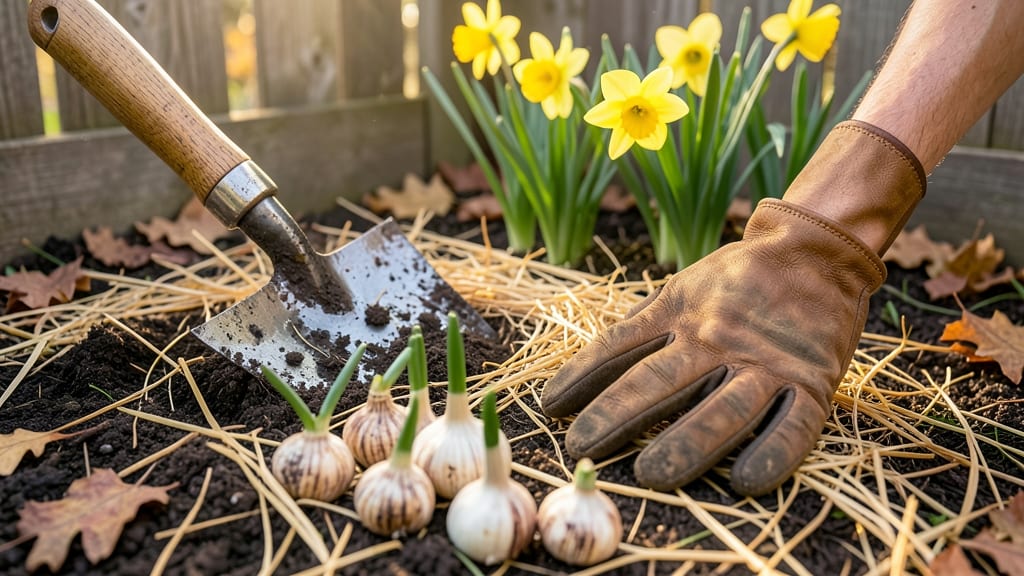
Planting daffodils in Oklahoma at the wrong time can mean the difference between a stunning spring display and wasted bulbs. With Oklahoma's 6b-7a climate, timing is everything—especially when those unpredictable late frosts can sneak in around April 15.
You might think fall planting is simple, but getting the weeks right before the ground freezes is the key. Too early, and your bulbs rot; too late, and they won’t root properly before winter sets in.
I’ll show you exactly when to plant for your specific Oklahoma region, so you can enjoy 🌼 blooms that arrive just as the frost threatens to fade.
Whether you're in the cooler northwest or the warmer southeast, this guide breaks down the perfect planting window—8-12 weeks before last frost—and how to adjust for Oklahoma’s microclimates. No more guessing whether your daffodils will survive the winter or bloom too late to enjoy.
Ready to transform your garden? Let’s dive into the exact steps, soil prep, and variety choices that will make your daffodils thrive—no matter what Oklahoma’s weather throws your way.
Oklahoma’s last frost dates by region: exact weeks to plant daffodil bulbs
Oklahoma’s USDA zones 6b-7a create a tricky balance for daffodil planting—too early, and bulbs rot in warm soils; too late, and blooms arrive after last frost. The key is planting 8-12 weeks before your region’s average frost date, adjusted for Oklahoma’s microclimates.
Northern Oklahoma (e.g., Oklahoma City) typically sees its last frost around April 15, while southern regions like Tulsa average April 20-25. This means your planting window shifts from late September to mid-November, depending on where you live.
For precise timing, use these region-specific guidelines to align with Oklahoma’s frost patterns and soil conditions. Heat-tolerant varieties like ‘Minnow’ thrive in southern zones, while cold-hardy types such as ‘Ice Follies’ suit northern gardens.
| Region | Avg. Last Frost | Planting Window | USDA Zone | Soil Temp Goal |
|---|---|---|---|---|
| Northwest (e.g., Oklahoma City) | April 15 | October 1–November 15 | Zone 6b-7a | 50–60°F |
| Central (e.g., Stillwater) | April 20 | October 15–November 20 | Zone 7a | 55–65°F |
| Southeast (e.g., Tulsa) | April 25 | November 1–December 1 | Zone 7a-7b | 60–70°F |
🌱 Pro Tip: Use a soil thermometer to confirm temps—daffodil bulbs need 60°F+ soil to root properly.
In northern Oklahoma, aim for planting 6-8 weeks before the ground freezes (typically by November 15). This gives bulbs time to establish roots before winter dormancy. Central Oklahoma gardeners can extend planting until late November, while southern regions may plant as late as early December.
Oklahoma’s unpredictable weather means checking your local National Weather Service forecasts is crucial. A late frost in March can damage early blooms, while an early thaw might trigger premature sprouting. Adjust your planting window by 1-2 weeks if your area experiences extreme temperature swings.
For container gardening, plant daffodils in October-November regardless of region, as pots warm up faster. Use well-draining soil mixes with added compost to mimic Oklahoma’s native clay-loam conditions. Heat-tolerant varieties like ‘Tête-à-Tête’ thrive in containers, even in southern Oklahoma’s warmer microclimates.
If you miss the fall window, spring planting is possible but risky—daffodils need 6-8 weeks of cool weather to bloom. Plant in January-February only if your soil stays below 60°F until late spring. Southern Oklahoma gardeners should avoid this method entirely due to early warming.
Test your soil’s drainage before planting—Oklahoma’s clay-heavy soils can suffocate bulbs. Amend with sand or perlite if water pools after 24 hours. Well-draining soil prevents rot, especially in northern Oklahoma’s colder, wetter winters.
Mark your calendar for October 15 as the safest start date across most of Oklahoma. This timing ensures bulbs root before first frost while avoiding the heat stress of late-summer planting. Heat-tolerant varieties like ‘Salome’ or ‘Peach Sorbet’ are ideal for southern gardens planted in November-December.
How to adjust planting for Oklahoma’s unpredictable weather: tips for success
Oklahoma’s weather can be as unpredictable as a tornado warning—one day it’s 70°F, the next it’s a hard freeze. This variability means your daffodil bulbs need extra care to survive. The key is planting when soil temps hit 60°F+ but before the first frost.
For most of Oklahoma, that’s mid-October to early November, but adjustments are needed for late frosts or early thaws.
If you’re planting in southern Oklahoma (like Oklahoma City or Tulsa), where winters are milder, you can push planting to late November. But in northern regions (like Woodward or Enid), aim for early October to avoid winter damage. Always check your local last frost date—it’s your gardening GPS!
Here’s my pro tip: Use a soil thermometer to confirm temps are below 50°F before covering bulbs with mulch. If sprouts appear too early, they’ll freeze. A thick layer of straw or leaves (3-4 inches) acts like a blanket, protecting roots from temperature swings.
⚠️ Watch for Premature Sprouting
If your daffodils sprout before winter, they’re at risk. Here’s what to do:
- Trim foliage to 2 inches above the bulb to reduce stress.
- Add extra mulch (6 inches deep) to insulate roots.
- Avoid watering—wet soil freezes faster.
🌱 Remember: A little green shoot in fall isn’t a death sentence—just a sign your bulbs are eager!
For container gardening, move pots to a sheltered spot (like a garage or under a porch) if temps drop below 20°F. Use black plastic mulch in ground beds to absorb heat during the day and release it at night—it’s like a built-in heat sink for your bulbs.
If you miss the fall window, don’t panic! You can plant daffodils in early spring (February-March), but expect smaller blooms that year. The bulbs won’t establish as deeply, so add a slow-release fertilizer to give them a growth boost.
Just be ready for late frosts—they can still damage tender shoots.
Protect your investment by planting deeper in colder zones (8 inches deep) and shallower in warmer areas (4-6 inches). This balances frost protection with root expansion—like Goldilocks’ perfect bowl of soil! With these tweaks, your daffodils will bloom earlier and brighter than ever.