
Plants
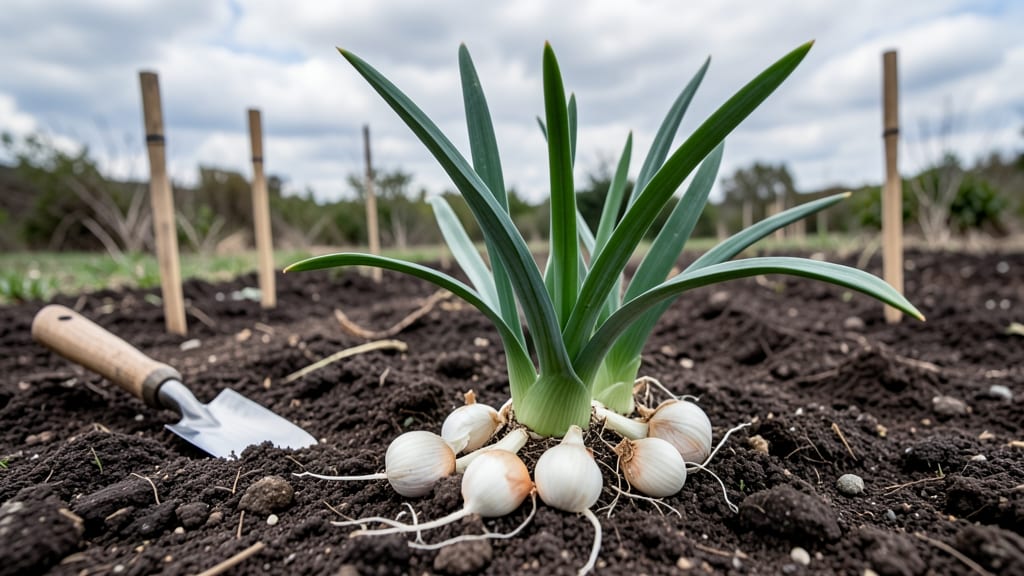
Planting garlic at the wrong time in Tennessee can mean the difference between a bumper crop of plump 🧄 bulbs and wasted effort—especially when late frosts threaten your hard work.
The 6a-7b climate zones here demand precise timing, and missing the window by even a few weeks can stunt growth or invite pests.
Most gardeners in Tennessee swear by fall planting between October and November, when soil temps drop but before the ground freezes solid. This gives the 🧄 roots time to establish before winter dormancy, setting the stage for next summer’s harvest.
But what if you miss that window? Don’t panic—spring planting in February still works, though it requires extra care to avoid heat stress.
I’ll break down the exact planting calendar for your region, including frost dates and soil prep tips tailored to Tennessee’s unique growing conditions. Whether you’re a first-timer or a seasoned gardener, these insights will help you grow larger, healthier garlic with minimal guesswork.
Ready to transform your garden? Let’s dive into the proven methods that Tennessee farmers and home gardeners use to guarantee success—no matter your zone.
Tennessee garlic planting calendar: months by climate Zone (with frost risk dates)
Tennessee’s diverse climate zones (USDA 6a-8a) mean your garlic planting window varies dramatically from East Tennessee’s high elevations to West Tennessee’s warmer lowlands. In Zone 6a (e.g., Knoxville), you’ve got just 4-6 weeks between the first frost and soil freeze—timing is critical.
Meanwhile, Zone 8a (e.g., Memphis) offers a longer window but risks premature sprouting if planted too early.
For zero-frost success, aim to plant garlic 4-6 weeks before the average first frost—typically October 15 to November 15 across most of Tennessee. This timing ensures bulbs establish roots before winter but don’t sprout too soon.
In Zone 7b (e.g., Nashville), this translates to mid-October plantings, while Zone 6a gardeners should plant by early October to avoid late frosts.
Here’s the breakdown by region, including last average frost dates and pro tips to maximize bulb size in Tennessee’s unique soils:
| Climate Zone | USDA Hardiness Zone | Recommended Planting Window | Last Average Frost Date | Pro Tip for Bulb Size |
|---|---|---|---|---|
| East Tennessee | 6a-7a | October 1–15 | Mid-April | Use ‘Music’ or ‘Chesnok Red’—hardneck varieties thrive in colder winters. |
| Middle Tennessee | 7a-7b | October 15–31 | Late March–Early April | Add 2 inches of compost to clay soils for better bulb separation. |
| West Tennessee | 7b-8a | November 1–15 | Early April | Choose softneck varieties like ‘Silverskin’ for warmer winters. |
If you miss the fall window, Tennessee gardeners can also plant garlic in early February—but this is riskier. Spring-planted garlic often produces smaller bulbs due to summer heat stress, especially in Zone 7-8.
For a spring harvest, plant by February 15 in Zone 6 or March 1 in Zone 8.
Pro tip: Use a soil thermometer to confirm temperatures are between 40–50°F at planting depth (2 inches). Cold soil speeds up sprouting, while warm soil delays it—both can reduce bulb size. In Zone 6, aim for October 1 when soil temps drop below 60°F.
For historical frost data, check the National Weather Service or UT Ag Extension—they track last frost dates by county. For example, Chattanooga (Zone 7a) averages its last frost on April 10, while Memphis (Zone 8a) sees frost as late as March 20.
Adjust your planting date 2 weeks earlier if your area runs 10°F colder than the zone average.
Remember: Hardneck garlic (best for Zones 6-7) needs cold winters to form bulbs, while softneck varieties (better for Zone 8) tolerate warmer conditions. Planting at the right time ensures your garlic gets the cold vernalization it needs for maximum bulb development.
How to time garlic planting for maximum bulb size in Tennessee soils
Tennessee’s unique microclimates—from the cool mountain valleys of East Tennessee to the warmer river bottoms of West Tennessee—demand smart garlic planting strategies. The key to large, flavorful bulbs lies in matching your variety choice with your local frost dates and soil conditions.
For example, hardneck garlic thrives in Zone 6-7’s colder winters, while softneck varieties like Silverskin handle Zone 8’s milder climate better.
Your soil’s drainage and pH are just as critical as timing. Tennessee’s heavy clay soils (common in Middle Tennessee) need organic matter amendments like compost or aged manure to prevent bulb rot. Aim for a pH between 6.0 and 7.0—Tennessee’s naturally acidic soils often need lime adjustments before planting.
A simple soil test from your local Extension office (like UT Ag in Knoxville) can save you from wasted effort.
Hardneck varieties (like 'Music' or 'German White') produce larger cloves in Tennessee’s Zone 6-7 winters because they need cold vernalization (40–50°F for 40+ days). Plant these 6 weeks before your first frost—typically mid-October in Knoxville or late October in Nashville.
For heavy clay soils (common in Middle TN), mix in 3–4 inches of compost or sand to improve drainage. Work it into the top 12 inches of soil before planting. This prevents bulb rot and ensures even growth—critical for well-separated cloves at harvest.
To avoid summer heat stress, plant garlic so it reaches maturity before June’s 90°F+ temps. Use this formula: Planting date = Last frost date – 270 days. For Nashville (Zone 7a), that’s mid-October; for Memphis (Zone 7b), aim for late October.
Tennessee’s high humidity can cause mold on bulbs. Choose disease-resistant varieties like 'Silverskin' (Zone 8) or 'Chesnok Red' (Zone 6). Space plants 4–6 inches apart for airflow and mulch with straw (not hay) to prevent soil-borne diseases.
Don’t overlook planting depth, either. In Tennessee’s sandy soils (like those in West TN), plant cloves 2 inches deep; in clay-heavy soils, go 1.5 inches deep to prevent heaving during freeze-thaw cycles.
Use a stick or trowel to create even rows—this makes harvest easier and reduces bulb damage.
For spring planting (a backup option in Zone 7-8), plant softneck varieties like 'California Early' in early February. These won’t produce scapes or large bulbs, but they’ll give you small harvests by July if fall planting fails.
Just be warned: Spring-planted garlic is more prone to pests like aphids in Tennessee’s humid summers.
Pro tip: Save your best bulbs for next year’s planting! Select plump, disease-free cloves from your harvest, peel them, and store in a cool, dry place (like a mesh bag in the fridge) until October planting.
This ensures consistent variety performance and saves money over time. Tennessee gardeners swear by 'Music' hardneck for its bold flavor and large bulbs—perfect for the state’s cool nights and warm days.