
Plants
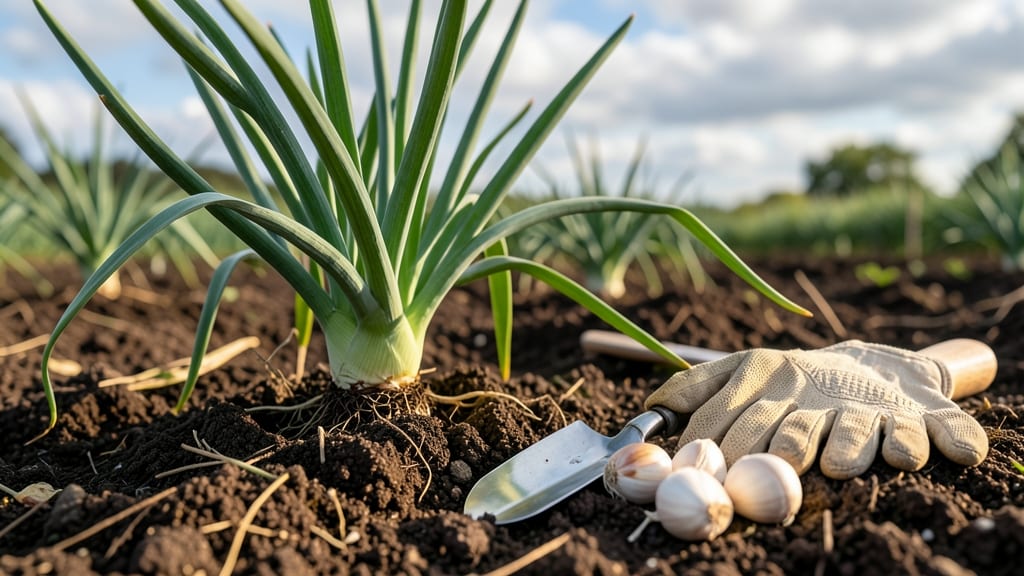
Planting garlic in North Carolina at the wrong time can mean the difference between a bountiful harvest and a disappointing one. With its diverse climate zones—from the Coastal Plain to the Mountains—timing your 🧄 garlic correctly is key to avoiding frost damage or bolting before harvest.
Most gardeners in zones 6a-8a swear by fall planting, typically between October and November, when soil temperatures dip but haven’t frozen yet. This gives the cloves time to root before winter’s chill sets in.
But if you miss that window, don’t panic—early spring planting (February to March) can still yield great results.
Why does timing matter so much? Garlic thrives in cool weather but struggles when temperatures swing too high or too low. In North Carolina’s variable climate, planting too early risks frost damage, while waiting too long can lead to weak bulbs or even premature flowering.
Let’s break down the best months for your region and how to set your garlic up for success.
Whether you’re a seasoned gardener or just starting out, mastering this simple step will give you plump, flavorful bulbs ready for harvest by late June or July. Ready to learn the exact window for your part of the state?
Optimal planting months for garlic in North Carolina by region
North Carolina’s three distinct climate zones—Coastal Plain, Piedmont, and Mountains—each demand slightly different planting windows for garlic. The key is planting 4-6 weeks before the first hard frost, when soil temperatures drop to 35-50°F. This timing ensures roots establish before winter dormancy while avoiding spring bolting.
For most of NC’s USDA Zones 6a-8a, the ideal planting window is late October through November for a fall harvest. However, coastal areas like Wilmington (Zone 8a) can extend planting into early December, while mountain regions like Asheville (Zone 7a) should plant by mid-October to avoid early frosts.
Spring planting is possible but risky—only attempt it in February or March if you’re aiming for a smaller harvest. Spring-planted garlic often bolts prematurely due to NC’s warm, humid summers, reducing bulb size and flavor.
Use this regional comparison to pinpoint your exact planting window based on elevation and microclimate:
| Region | USDA Zones | Fall Planting Window | Spring Planting Window | Soil Temp Threshold | Frost Risk |
|---|---|---|---|---|---|
| Coastal Plain | 8a-8b | Late October - Early December | February - Early March | 40-50°F | Low (mild winters) |
| Piedmont | 7a-7b | Mid-October - Late November | Late February - Mid-March | 35-45°F | Moderate (first frost Nov 15) |
| Mountains | 6a-6b | Early October - Mid-November | March (high bolting risk) | 30-40°F | High (first frost Oct 15) |
Pro tip: Check your local Cooperative Extension Service for hyper-local frost dates. For example, Raleigh (Zone 7b) averages its first frost on November 15, while Charlotte (Zone 7a) sees it October 30. Plant accordingly to avoid frost-heaving.
In Zone 8a areas like Fayetteville, you can even plant garlic in January for a late-summer harvest, though yields may be smaller. The key is ensuring soil stays consistently moist but well-drained—NC’s clay-heavy soils can suffocate garlic roots if compacted.
For hardneck varieties (like Music or Chesnok Red), prioritize fall planting—they need cold vernalization to form bulbs. Softneck varieties (like Silverskin) are more flexible but still thrive with fall planting for larger bulbs.
Always plant with the pointed end up and 2 inches deep—this prevents uneven growth and bolting. Mulch with straw or leaves after planting to insulate roots during winter fluctuations.
Timing isn’t just about months—watch for soil temperature cues. Use a soil thermometer to confirm temps are below 60°F before planting. In humid NC summers, this often means waiting until late September for soil to cool.
Remember: Garlic planted in spring rarely reaches its full potential in NC’s climate. The fall harvest (June-July) is when you’ll get those bold, flavorful bulbs worth bragging about at farmers' markets.
Optimal planting months for garlic in North Carolina by region
North Carolina’s three distinct regions—Coastal Plain, Piedmont, and Mountains—each have unique frost patterns that dictate the best time to plant garlic. The key is planting 4-6 weeks before the ground freezes, ensuring cloves establish roots before winter dormancy.
Coastal areas (Zone 8a) have the longest growing season, while Mountain regions (Zone 6a) face earlier frosts.
For Coastal North Carolina (e.g., Wilmington, Raleigh), aim for mid-October to early November. Soil temperatures should hover between 35-50°F—ideal for root development without premature freezing. In Piedmont (e.g., Greensboro, Charlotte), shift to late September to mid-October to avoid early frost risks.
Mountain regions (e.g., Asheville, Boone) need an even earlier start: late August to early September.
Here’s how regional frost dates shape your planting window:
| Region | USDA Zone | First Frost | Planting Window | Soil Temp Goal |
|---|---|---|---|---|
| Coastal Plain | 8a | November 30 | Mid-October–Early November | 40–50°F |
| Piedmont | 7a–7b | November 15 | Late September–Mid-October | 35–45°F |
| Mountains | 6a–6b | October 15 | Late August–Early September | 30–40°F |
Spring planting (February–March) is possible but riskier—garlic planted too late may bolt prematurely (shoot up flowers) due to NC’s warm springs. Hardneck varieties (like ‘Music’ or ‘German White’) thrive in fall planting, while softneck types (‘Silverskin’) tolerate spring better but yield smaller bulbs.
Always check your local NC State Extension office for hyper-local frost data.
Pro tip: Use a soil thermometer to confirm temps. Plant when readings stay above 40°F for 5+ days—this signals safe root growth. Coastal gardeners can push planting to early December if mild spells persist, but Mountain growers should finish by mid-September to avoid frost.
Missed the fall window? Don’t panic. Early spring planting (February) works for softneck garlic, though yields may shrink. Just avoid planting after March 15, or you’ll trigger bolting. For hardneck varieties, spring planting is a gamble—prioritize fall for the biggest, boldest bulbs.