
Plants
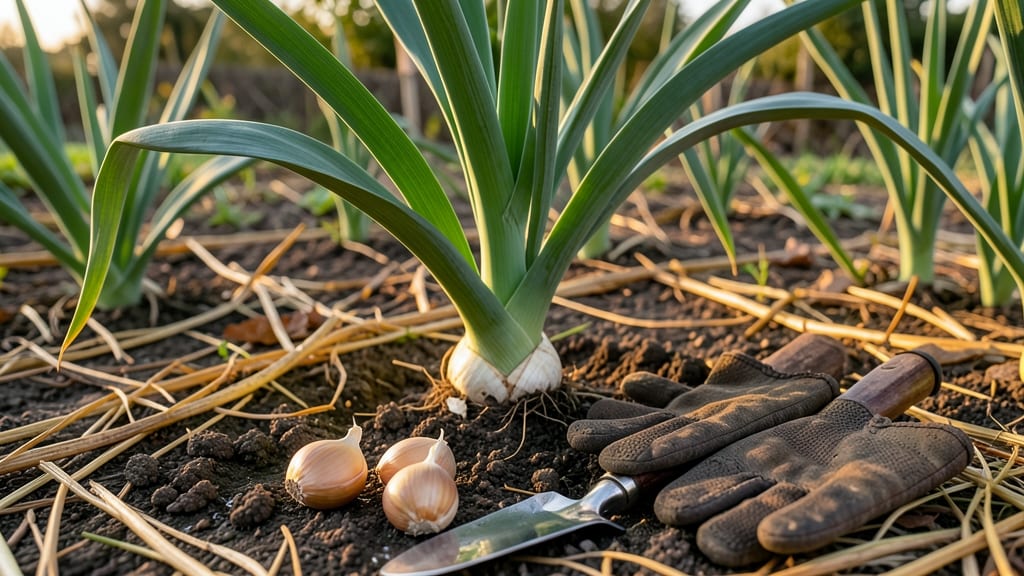
Planting garlic in Zone 5 at the wrong time can mean the difference between a thriving crop and wasted effort. The key to growing strong, flavorful 🧄 garlic lies in understanding the perfect fall window—typically between October and November—when soil temperatures dip into that sweet spot of 40-50°F.
Why does timing matter so much? Because garlic needs time to establish roots before winter dormancy kicks in. In Zone 5’s 5a/5b climate, planting too early exposes cloves to rot, while waiting too long risks weak growth.
I’ll break down the exact window, regional variations, and how to prep your soil for success.
Whether you’re a first-time gardener or a seasoned grower, these insights will help you avoid common mistakes. From choosing the right variety to mulching techniques that protect your crop through winter, you’ll learn how to set your garlic up for a bigger harvest next summer.
Let’s get your garlic planted at the perfect moment—so you can enjoy homegrown bulbs from July to August and beyond. Ready to dig in?
The ideal fall planting window for garlic in Zone 5
Planting garlic in Zone 5 during fall is the golden rule for a successful harvest—it gives roots time to establish before winter dormancy. The key is timing between 40°F and 50°F soil temperatures, which typically aligns with October to early November in most of Zone 5.
This window ensures garlic develops strong roots while avoiding the ground freezing solid.
For Zone 5a (colder sub-zone), aim for mid-October to late October—earlier than Zone 5b, where you can stretch planting until early November.
The goal is to plant 4-6 weeks before the first hard frost, allowing roots to anchor but not letting the plant grow too much before winter sets in.
Missed the fall window? Don’t panic—garlic can also be planted in early spring (March), though yields may be smaller. Spring-planted garlic often matures faster but lacks the robust flavor of fall-planted bulbs. For best results, stick with the fall schedule.
🌱
| Zone 5 Sub-Zone | Ideal Planting Window | Soil Temp Threshold | Key Consideration |
|---|---|---|---|
| Zone 5a (colder) | Mid-October to late October | 40°F–45°F | Plant early to avoid early freezes |
| Zone 5b (milder) | Early October to early November | 45°F–50°F | Flexible window; monitor frost dates |
| Both Sub-Zones | 4–6 weeks before hard frost | N/A (date-based) | Avoid planting too late—roots need time to establish |
Lunar planting phases can also influence success. Planting during a waxing moon (when the moon is growing) is said to boost root development, while a waning moon may encourage top growth over bulb formation. Many gardeners swear by this method, though science backs timing over lunar cycles.
Regional variations within Zone 5 matter too. In northern Illinois or upstate New York, where winters are harsher, plant by late October to avoid winter heaving. Meanwhile, in southern Indiana or Missouri, you might extend planting until mid-November without risking frost damage.
Before planting, prepare the soil by amending it with compost or aged manure to improve drainage and fertility. Garlic hates soggy soil, so ensure your garden bed has well-draining soil with a pH between 6.0 and 7.0. A quick soil test can save you from future headaches.
Once planted, mulch heavily with straw or leaves (4–6 inches) to insulate the soil and protect cloves from extreme temperature swings. This mulch layer also suppresses weeds and retains moisture—critical during Zone 5’s unpredictable winters.
🌿
Pro tip: Label your garlic rows immediately after planting. Varieties like ‘Music’ (hardneck) or ‘Silverskin’ (softneck) look identical until harvest, and you’ll want to keep track of which performed best in your microclimate.
The ideal fall planting window for garlic in Zone 5
In Zone 5, the perfect time to plant garlic is between October and November, when soil temperatures drop to 40-50°F. This window ensures garlic cloves establish strong roots before winter dormancy sets in.
Planting too early risks rot from warm, wet soil, while waiting too long may leave insufficient time for root development before freezing.
For most of Zone 5, aim to plant 4-6 weeks before your first hard frost, typically by mid-October in the northern parts (5a) and up to early November in the southern sections (5b). Check your local frost dates—this is your golden rule for timing.
Soil temperature is your best guide. Use a soil thermometer to confirm the ground is consistently below 50°F at a depth of 4 inches. If you miss this window, don’t despair—you can still plant in early December, but expect slightly smaller bulbs the following summer.
🌱 Zone 5 Garlic Planting Timeline
| Stage | Action | Key Notes |
|---|---|---|
| Soil Prep | Loosen soil, add compost | Aim for pH 6.0-7.0 |
| Planting Window | October-November | 4-6 weeks before frost |
| Clove Depth | 2 inches deep | Pointy end up, 4-6 inches apart |
| Winter Care | Mulch with straw | 4-6 inches thick |
| Spring Growth | Remove mulch, fertilize | When shoots emerge |
Regional variations within Zone 5 matter. In northern 5a areas like Minnesota or Maine, plant by mid-October to avoid early freezes. In southern 5b regions like Kansas or Missouri, you can extend planting until early November without risking winter damage.
For extra precision, some gardeners follow the lunar calendar, planting garlic during the waning moon phase to encourage root growth. While not scientifically proven, many swear by this method for stronger bulb development. Either way, prioritize soil temperature over lunar phases.
Once planted, protect your garlic with a 4-6 inch layer of straw mulch to insulate roots during winter. This simple step prevents heaving (when bulbs push up through frozen soil) and ensures a healthy harvest next summer.
With the right timing and care, your garlic will reward you with bold, flavorful bulbs by July or August.