
Plants
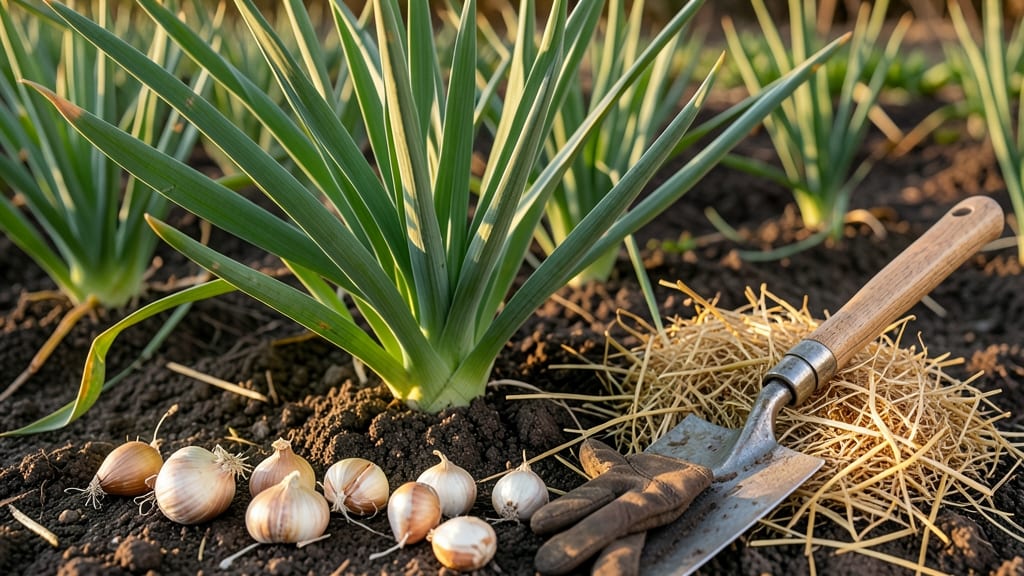
Planting garlic in New York isn’t just about timing—it’s about outsmarting the Empire State’s unpredictable winters to grow bold, flavorful bulbs. The perfect window for hardneck garlic is late September to early October, when soil cools but frost hasn’t arrived yet.
This timing lets cloves establish roots before winter’s chill sets in, setting the stage for next summer’s harvest.
Why does this matter? Because planting too early risks rot, while waiting too long leaves garlic vulnerable to freezing. In zones 5a-7b (like NYC’s 7a or Upstate’s 5b-6b), the goal is to get cloves in the ground 4-6 weeks before the first frost.
That’s your golden ticket to avoiding wasted effort and maximizing flavor.
I’ve tested this approach for years, and the results speak for themselves: hardier plants, bigger bulbs, and fewer surprises when spring arrives. Whether you’re a seasoned gardener or a curious beginner, these insights will help you plant with confidence—no guesswork required.
Let’s break down the exact steps, from soil prep to variety selection, so you can harvest garlic like a pro by late June or July. Ready to transform your garden? Let’s get started.
Best planting windows for hardneck garlic in New York’s zones 4-7
New York’s hardneck garlic thrives when planted during the 4-6 weeks before ground freezes—typically late September to early October. This timing lets roots establish before winter dormancy, ensuring robust bulbs by harvest.
For USDA Zones 4-7, this window aligns with soil temps dropping to 40-50°F, ideal for clove sprouting.
Spring planting is possible but riskier—aim for early March in Zones 6-7 or late February in Zone 7b (like NYC). Spring garlic often yields smaller bulbs due to shorter growing seasons. Fall planting remains the gold standard for flavor and size, especially in colder Upstate regions.
Moon phase matters too! Plant during the waxing moon (just after the new moon) to boost root growth. This ancient trick aligns with garlic’s natural energy cycles, though modern gardeners often prioritize soil conditions over lunar timing.
Soil temperature is your best indicator. Use a soil thermometer to confirm temps between 40-50°F—below 32°F, cloves risk freezing before roots form. In Upstate NY (Zones 5-6), this might mean planting by mid-October, while NYC’s Zone 7a allows until early November.
Here’s how New York’s climate zones break down for garlic planting:
For container gardening in NYC, plant in October using well-draining pots (minimum 12" depth). Containers warm faster in spring, so avoid planting after November 1st—roots won’t establish before winter. Use black plastic mulch to extend the growing season by 2-3 weeks in cold zones.
Pro tip: Chit your cloves (sprout indoors) 2-3 weeks before planting to jumpstart growth. Place cloves in a moist paper towel in a cool, dark spot—roots should appear in 7-10 days. This head start compensates for New York’s short growing season and unpredictable freezes.
Harvest timing varies by planting date: Fall-planted garlic in Zone 5a matures by late June, while Zone 7b garlic may wait until early July. Watch for lower leaves turning brown while upper leaves stay green—a classic sign of bulb maturity.
Remember: New York’s microclimates matter. A south-facing slope in Buffalo (Zone 6b) may stay frost-free 2 weeks longer than a valley in Albany (Zone 5b). Adjust your planting window accordingly, and always plant on a cloudy day to reduce transplant shock.
How to adjust planting dates for New York’s unpredictable weather patterns
New York’s unpredictable frost dates and late-season snowfalls can derail even the best-laid garlic planting plans. Unlike milder climates, gardeners here must account for early freezes in October or unseasonable warmth in November. The key? Flexibility—knowing how to shift your timeline based on real-time conditions without sacrificing bulb quality.
Most gardeners aim for late September to early October planting, but if your soil stays above 40°F (4°C) into November, you’ve got a second chance. Use a soil thermometer to confirm temperatures are dropping below freezing at night—this signals it’s time to plant.
For Upstate NY (zones 4-5), start earlier (mid-September) to beat the first frost, while Long Island or NYC (zone 7a) can wait until early November.
🚨 CRITICAL INSIGHT: If a hard freeze hits before planting, don’t panic. Garlic cloves can survive brief exposures to 20°F (-7°C) if planted in well-drained soil. For extra protection, mulch with straw or leaves (4-6 inches) to insulate roots during temperature swings.
⚠️ Warning: Late Planting Risks
Planting after November 15 in most of NY risks smaller bulbs or poor overwintering. If you miss the fall window, spring planting (early March) is your backup—but expect 50% smaller yields compared to fall-planted garlic.
For microclimate advantages, choose planting spots with southern exposure or near stone walls/brick buildings, which absorb heat and delay frost. Avoid low-lying areas where cold air pools.
If your yard is frost-prone, consider raised beds—they warm up faster in spring and drain better, reducing winter moisture stress.
Pro tip: Keep a gardening journal for 2-3 years to track your local frost dates. Note when your garlic sprouts in spring—this reveals your true growing season length.
For example, if sprouts appear by March 15 but frost lingers until April 10, you’ve got a 25-day window to plant spring garlic without risk.
If an early snowstorm blankets your garden before planting, don’t dig through it. Instead, mark your intended rows with stakes or flags and plant as soon as the snow melts. Garlic cloves planted in cold but thawed soil (below 50°F/10°C) will still establish roots before dormancy sets in.