
Plants
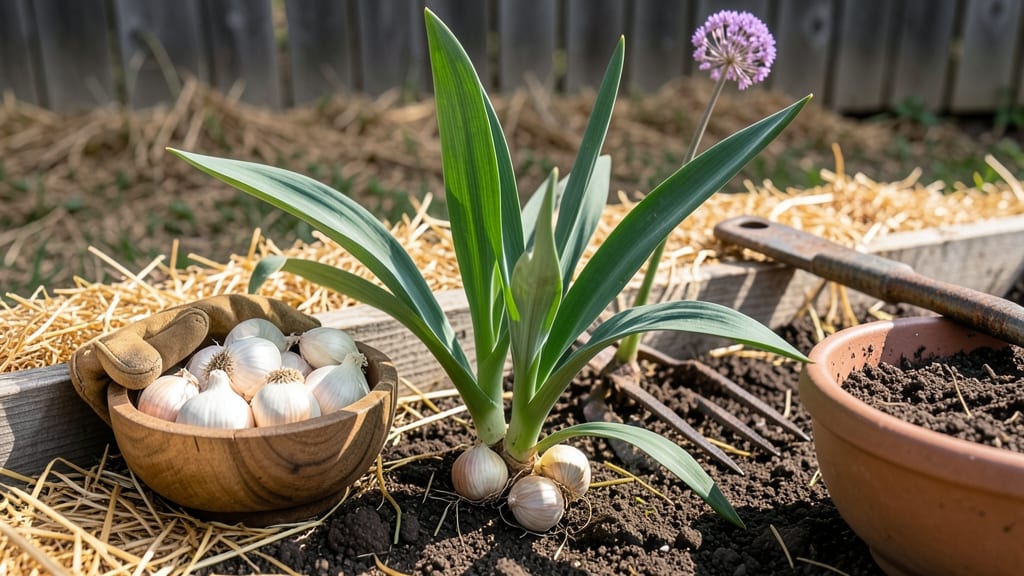
Knowing when to plant garlic in Zone 10 is the secret to growing plump, flavorful bulbs without the usual frost worries.
Unlike colder climates where winter chill triggers growth, your mild Zone 10 winters mean garlic needs a different approach—plant too early, and summer heat will stress your 🧄 before harvest.
Here’s the game-changer: fall planting (October–December) works best, giving your garlic time to establish roots before winter’s gentle rains. But don’t fret if you miss that window—January is still a solid backup, especially in coastal areas where fog keeps soils cool.
What sets Zone 10 apart? No frost means no traditional "chill hours" rule, but your garlic still needs 6–8 weeks of cooler temps (50–60°F) to form bulbs. We’ll show you how to tweak timing for your specific microclimate—whether you’re in sun-soaked San Diego or a desert oasis like Phoenix.
Ready to grow garlic that’s bigger and bolder than store-bought? Let’s dive into the exact months, soil prep, and care tricks that turn Zone 10’s challenges into your garlic-growing advantage.
Optimal planting windows for Zone 10 garlic: month-by-month breakdown
Zone 10’s warm winters and long growing season make garlic planting a delicate balance. Unlike colder zones, you won’t have frost to signal the perfect time—so soil temperature and rainfall patterns become your guides. Aim for 50-65°F soil temps to kickstart root growth without stressing the cloves.
Most gardeners in Zone 10 plant garlic between October and December, but the exact timing depends on your local microclimate. Coastal areas like San Diego can plant slightly later (November), while inland deserts like Phoenix should plant as early as September to avoid summer heat.
Here’s how to align your planting with Zone 10’s unique conditions:
| Month | Ideal Planting Time | Soil Temp | Rainfall Needs | Key Consideration |
|---|---|---|---|---|
| September | Early start for desert zones | 60-65°F | Moderate (1-2 inches/week) | Avoid summer heat stress |
| October | Prime time for most areas | 55-60°F | Consistent (0.5-1 inch/week) | Balances growth and moisture |
| November | Best for coastal zones | 50-55°F | Higher (1.5-2 inches/week) | Prevents drought stress |
| December | Last chance for spring harvest | 45-50°F | Light (0.5 inch/week) | Slower growth, smaller bulbs |
| January | Risky for summer heat | 40-45°F | Minimal (drought risk) | Bolting risk increases |
For hardneck varieties (like Rocky Mountain or Silverskin), prioritize October planting—they thrive in cooler temps and produce scapes. Softneck varieties (like Artichoke or Creole) are more heat-tolerant, so you can extend planting into November for a slower, steadier harvest.
Pro tip: Use a soil thermometer to confirm temps before planting. If your soil stays above 65°F for more than 2 weeks, delay planting or provide afternoon shade to prevent heat stress.
In Zone 10, hardneck garlic planted in October typically harvests by June, while softneck varieties planted in November may take until July or August.
The key is to time it so bulbs mature before summer’s peak heat—aim for harvest when lower leaves brown but upper leaves stay green.
If you’re in a coastal area, like San Diego, you’ll have more flexibility due to cooler, foggy summers. Inland deserts (Phoenix, Tucson) need to
How to adjust planting for Zone 10 microclimates: coastal vs. desert differences
Zone 10’s diverse microclimates—from coastal San Diego to desert Phoenix—create unique challenges for garlic growers. While both areas share warm winters, their humidity levels, soil types, and sun exposure differ dramatically.
Coastal areas like Los Angeles and San Diego enjoy mild, foggy winters with higher humidity, while inland deserts like Phoenix and Tucson experience drier, hotter conditions even in winter. These differences directly impact your planting timing and care strategies.
In coastal regions, garlic thrives when planted in late October to early November, taking advantage of cooler, wetter conditions. The ocean breeze helps moderate temperatures, reducing heat stress. Meanwhile, desert areas should aim for mid-November to December planting to avoid premature sprouting from warmer soil temps.
The key is to plant when soil temperatures hover around 60-65°F—cooler than traditional garlic zones but ideal for Zone 10’s climate.
Coastal Zone 10 (e.g., San Diego, LA)
Desert Zone 10 (e.g., Phoenix, Tucson)
For coastal gardeners, focus on mulching heavily with straw or wood chips to retain moisture and prevent fungal diseases like white rot. In desert areas, prioritize drip irrigation to keep soil consistently moist without overwatering.
Both climates benefit from raised beds, which improve drainage and warm up faster in cooler months.
Another critical adjustment is choosing the right garlic variety. In coastal areas, softneck varieties like Silverskin or Artichoke perform well due to their longer storage life and tolerance for humidity.
Desert gardeners often prefer hardneck varieties like Rocky Mountain or German Red, which handle heat better and produce larger bulbs in shorter growing seasons.
Timing your harvest is equally crucial. Coastal garlic typically matures by late May to June, while desert-grown garlic may be ready as early as April due to faster growth.
Watch for lower leaves turning brown and bulb skins becoming papery—these are your cues to harvest before the heat of summer triggers bolting. In both climates, curing garlic in a shady, well-ventilated area for 2-3 weeks ensures long-term storage.
Pro tip: If you live in a transition zone (e.g., inland Orange County), split your planting. Sow half in October for a winter harvest and the other half in December for a spring harvest.
This extends your growing season and reduces risk from unpredictable weather patterns. With these microclimate-specific tweaks, you’ll enjoy bold, homegrown garlic year after year—no frost required! 🌱