
Plants
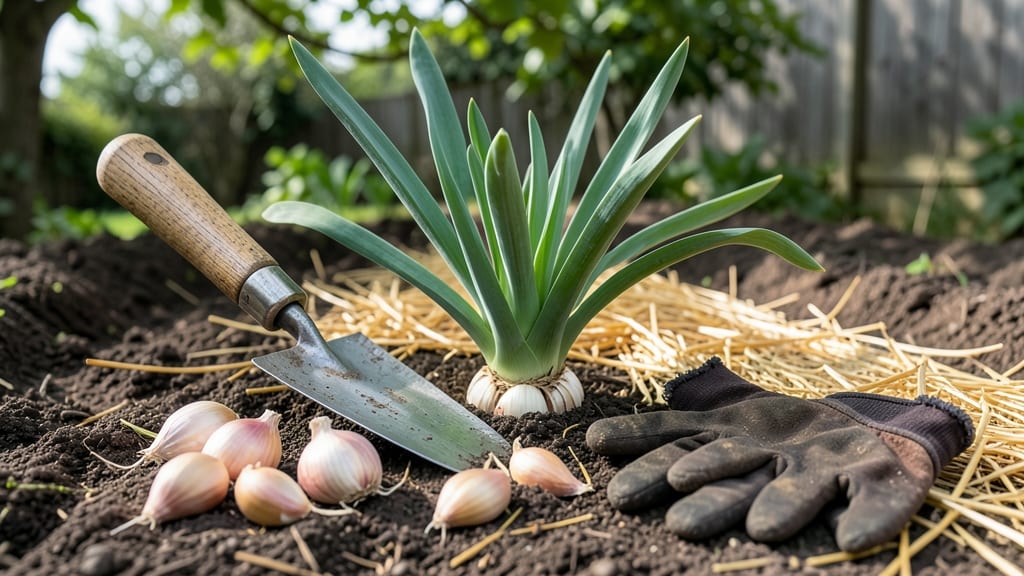
Planting garlic at the wrong time in New York can turn your 🧄 dreams into a flop—tiny bulbs or no harvest at all. But here’s the secret: hardneck and softneck varieties need different timing strategies, and getting it right means the difference between a bountiful harvest and wasted effort.
If you’ve ever wondered why some gardeners swear by fall planting while others prefer spring, the answer lies in New York’s climate zones (5a-7b) and how each variety forms bulbs.
The key? Planting 4–6 weeks before the first hard frost—typically late September to early October for most of the state.
In this guide, I’ll break down the exact months for hardneck vs. softneck garlic, how to adjust for NYC’s unpredictable frost dates, and the critical mistakes that ruin harvests. Whether you’re a seasoned gardener or just starting, these insights will help you time your planting like a pro.
Ready to grow garlic that’s plump, flavorful, and ready by July-August? Let’s dive into the best strategies for your New York garden.
Best planting months for garlic in New York: hardneck vs softneck breakdown
New York’s USDA zones 5a-7b create a tricky balance for garlic growers. Unlike many crops, garlic thrives when planted in fall—not spring—because it needs cold stratification to form bulbs. But hardneck and softneck varieties have slightly different sweet spots. Here’s how to time it perfectly for your region.
For hardneck garlic (the variety with scapes), aim for late September to early October in most of New York. This gives plants enough time to establish roots before winter while ensuring they experience the 40-60°F chill period they need to bulb properly.
In colder zones like the Adirondacks or Catskills (5a-6a), push planting to mid-October to avoid early freezes.
Softneck garlic, like Silverskin, is more forgiving but still prefers fall planting. You can extend your window slightly to early November in warmer microclimates (e.g., Long Island or NYC), but avoid planting after the first hard frost—cloves won’t root properly.
Spring planting is possible but risky, yielding smaller bulbs unless you’re in Zone 7b+.
Pro Tip: Use your average first frost date as your guide. Plant 4-6 weeks before that date. For example, if frost hits October 20th in your area, break ground by September 15th. Check the NY State Climate Smart Agriculture maps for your exact zone.
Here’s how the two varieties compare in New York’s climate:
| Variety | Best Planting Window (NY) | Key Notes |
|---|---|---|
| Hardneck (e.g., Music, German White) | Late September–Early October | Needs cold stratification; produces scapes (harvest in June). |
| Softneck (e.g., Silverskin, Artichoke) | Early October–Early November | More cold-tolerant; better for longer storage. |
| Both (Spring Planting) | March–Early April (Zone 7b+ only) | Risky; bulbs may be smaller or bolting. |
If you’re in Zone 6a or colder (e.g., Albany, Syracuse), prioritize hardneck varieties—they handle shorter growing seasons better. In Zone 7b+ (e.g., Long Island, Hudson Valley), you can experiment with softneck or even spring planting for a summer harvest, but expect smaller yields.
One common mistake? Waiting until November to plant. By then, soil temperatures drop too low for root establishment. Test your soil’s readiness with a soil thermometer—it should be at least 40°F at planting time. If it’s colder, wait a week or two.
For urban gardeners in NYC or Brooklyn, microclimates matter. South-facing walls or rooftop gardens can stay 5-10°F warmer than street-level plots, letting you plant 1-2 weeks later without risk. Use row covers if early frosts threaten.
Remember: The goal is to give garlic 60-90 days of cold temps (32-40°F) after planting. In New York, that usually means winter dormancy from December through February. If you miss the fall window, your only option is spring—but be prepared for bolting (premature flowering) in hot summers.
🌱
Best planting months for garlic in New York: hardneck vs softneck breakdown
New York’s USDA Zones 5a-7b create a unique challenge for garlic growers. The first hard frost typically arrives between mid-October (higher elevations) and late October (NYC), meaning your planting window is tighter than you might think.
But here’s the secret: hardneck and softneck garlic have different timing needs, and getting them right can mean the difference between plump bulbs and wild onions.
For hardneck garlic—the variety prized for its flavorful scapes—fall planting is non-negotiable. The cold vernalization period (6-8 weeks below 40°F) triggers bulb formation. In New York, that means planting 4-6 weeks before the ground freezes, usually late September to early October.
Softneck garlic, on the other hand, is more flexible and can handle spring planting (March–early April), though fall planting still yields better results.
⚠️ NON-NEGOTIABLE: Planting garlic too early (like August) risks premature sprouting, while waiting until November leaves it vulnerable to winter heaving. Use this comparison table to pinpoint your exact window based on variety and location.
| Variety | Best Planting Window (NY) | Key Notes |
|---|---|---|
| Hardneck Garlic | Late September–Early October | Requires cold vernalization; plant 4-6 weeks before frost. |
| Softneck Garlic | Late September–Early October or March–Early April | More flexible; fall planting preferred for larger bulbs. |
| Both Varieties | Avoid planting after November 15 | Risk of winter heaving and poor bulb formation. |
If you’re in Zone 5a (northern NY), aim for late September planting—earlier can lead to overwintering failures.
Meanwhile, gardeners in Zone 7b (Long Island, Hudson Valley) have a slightly later window (early October) thanks to milder winters. Spring planting is a gamble unless you’re using softneck varieties, as hardnecks won’t form proper bulbs without winter chilling.
For urban gardeners in NYC, where microclimates run wild, err on the earlier side (late September). The heat island effect can push frost dates later, but soil temperatures drop faster in concrete jungles.
Test your soil with a thermometer—ideal planting temps are 40–50°F. If it’s warmer, wait a week or two.
One non-negotiable rule for all New York gardeners: Plant cloves with the pointed end up, 2–4 inches deep, and 4–6 inches apart. This ensures even growth and makes harvesting a breeze. Skip the row covers until after planting—early warmth can trick garlic into sprouting too soon.
Harvest time in New York typically falls between mid-July (Zone 7b) and early August (Zone 5a), when lower leaves turn brown but the upper leaves stay green.
But timing your planting correctly now sets the stage for that golden harvest—no small feat in New York’s unpredictable climate! 🧄