
Plants
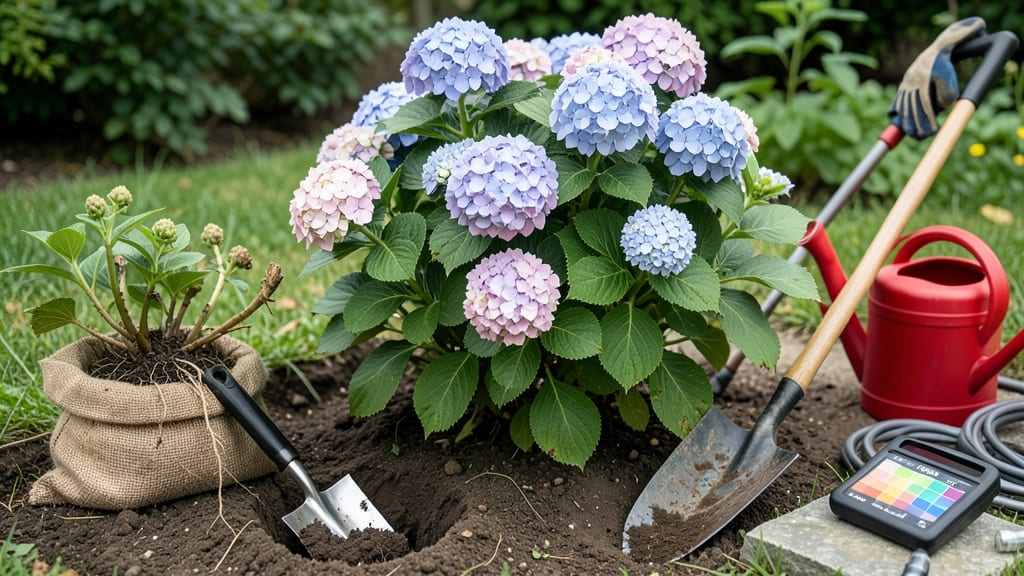
When can you plant hydrangeas in the ground? Timing your hydrangea planting just right can mean the difference between vibrant blooms and struggling roots—so when exactly should you plant them in your region?
If you're in USDA Zone 6a like many gardeners, the window is narrow but critical: April to May, after the last frost has passed.
Most gardeners assume spring is the only time to plant hydrangeas, but the truth is more nuanced. While spring planting gives these shrubs a strong start, fall can also work in milder climates.
The key is avoiding frost—whether you're planting in-ground or containers, young roots need time to establish before winter sets in.
I’ve tested different planting strategies, and what I’ve found is that soil temperature matters just as much as calendar dates. A quick check with your finger—if the soil feels warm about 2 inches down, it’s ready.
This simple trick helps you avoid planting too early when roots can’t thrive, or too late when the season is winding down.
Ready to get started? Let’s break down the exact months for your zone, plus pro tips for soil prep and variety-specific timing. Your hydrangea’s future blooms depend on getting this right—and I’ll show you how.
Best planting months for hydrangeas by USDA hardiness Zone (with exact dates)
Planting hydrangeas at the right time ensures strong root growth and stunning blooms. The best window depends on your USDA hardiness zone, with spring and early fall being ideal for most regions.
In warmer zones (8-11), fall planting works best, while cooler zones (3-7) favor spring. Let’s break it down by zone so you can plant with confidence.
Hydrangeas thrive when soil temperatures stay above 50°F (10°C) for root establishment. In Zone 3-5, aim for late April to mid-May after the last frost. For Zones 6-7, early April to early June works well.
Meanwhile, Zones 8-11 can plant in fall (September-October) or early spring (February-March) to avoid summer heat stress.
🌱 Hydrangea Planting Guide by USDA Zone
| Zone | Best Planting Month | Soil Temp Threshold | Key Consideration |
|---|---|---|---|
| 3-5 | Late April - Mid-May | 50°F (10°C) | Wait for last frost; mulch heavily for winter protection. |
| 6-7 | Early April - Early June | 55°F (13°C) | Spring planting preferred; avoid late summer heat. |
| 8-9 | Fall (Sept-Oct) or Spring (Feb-Mar) | 60°F (16°C) | Fall planting avoids summer drought; water deeply post-planting. |
| 10-11 | Fall (Aug-Sept) or Winter (Jan-Feb) | 65°F (18°C) | Plant in cooler months to prevent transplant shock from heat. |
💡 Pro Tip: Use a soil thermometer to confirm temperatures before planting.
For Zone 3-5, I recommend planting in late April once nighttime temperatures stay above 40°F (4°C). In these colder regions, hydrangeas need time to establish roots before winter. Use mulch (3-4 inches) to insulate roots during harsh winters.
In Zone 6-7, early April planting gives roots a full growing season, but avoid planting after June 1st to prevent heat stress.
In warmer climates (Zones 8-11), fall planting is ideal because it allows roots to establish before summer heat arrives. For example, in Zone 9, plant in September when temperatures drop below 85°F (29°C).
In Zone 10-11, winter planting (January-February) works well, as the mild climate reduces transplant shock risks.
If you’re unsure about your zone, check the USDA Plant Hardiness Zone Map or use your zip code on gardening apps like Gardenate. Remember, hydrangeas planted in containers can be moved temporarily to adjust for microclimates or extreme weather.
This flexibility is especially useful in Zone 7-9, where summer heat can stress young plants.
One common mistake is planting too early in spring or too late in fall. Early planting risks frost damage, while late fall planting leaves roots vulnerable to winter cold.
Always aim for 6-8 weeks before the first frost in your area. For example, in Zone 5, this means planting by mid-September for fall success.
For oakleaf hydrangeas, which are more cold-hardy, you can push the planting window slightly earlier (by 2-3 weeks) compared to mophead varieties. Mopheads, like 'Endless Summer', prefer the ideal planting window strictly to avoid stress.
Always check the specific variety’s care guide for nuances, as some hybrids (like 'Limelight') tolerate wider temperature ranges.
Lastly, consider your local microclimate. Urban areas with heat islands may need adjusted timing—plant in early spring or late fall to avoid extreme heat. Rural areas with cooler nights can extend the planting window slightly. Always monitor weather forecasts for 5-day outlooks before planting to avoid unexpected frost.
By following these zone-specific guidelines, you’ll give your hydrangeas the best start for vibrant blooms and healthy growth. Happy planting! 🌿
How to tell if your local climate is ready for hydrangea planting (signs to watch)
Planting hydrangeas at the right time isn’t just about checking a calendar—it’s about reading your local climate cues. While USDA zone charts give a general guideline, your microclimate (like urban heat islands or shaded yards) can shift those windows by weeks.
Here’s how to confirm your garden is truly ready for hydrangea roots to thrive.
First, monitor soil temperature—hydrangeas need soil that’s at least 60°F (15°C) before planting. Use a soil thermometer or press your finger into the ground: if it feels warm 1 inch deep, it’s time. Cold soil slows root growth and invites rot risks, especially for young plants.
Next, watch for native plant signals. When dandelions or clover pop up in your lawn, it’s a sign the earth is warming. Similarly, if tree buds (like maple or oak) are swelling but not yet open, your hydrangeas can go in.
This natural timing aligns with their ideal spring growth cycle.
If your area experiences unpredictable frost dates, avoid planting too early. Even if daytime temps rise, nighttime frosts can kill tender hydrangea shoots. Use a frost alert app or check your local agricultural extension service for last-frost averages.
Urban gardeners should also account for heat islands. Pavement and buildings trap heat, making city soils warm up 2-3 weeks earlier than rural areas. If your hydrangeas are in containers, they’ll dry out faster—so wait until consistent daytime highs of 65°F (18°C) before planting.
Finally, test your shade conditions. Hydrangeas thrive in partial shade, but if your yard gets intense afternoon sun, delay planting until you’ve installed temporary shade cloth or chosen a north-facing spot. Yellowing leaves later? That’s a sign they’re sunburned, not happy.
By combining soil checks, plant signals, and local weather patterns, you’ll plant hydrangeas when they’re most resilient—setting them up for bold blooms all season. 🌿