
Trees
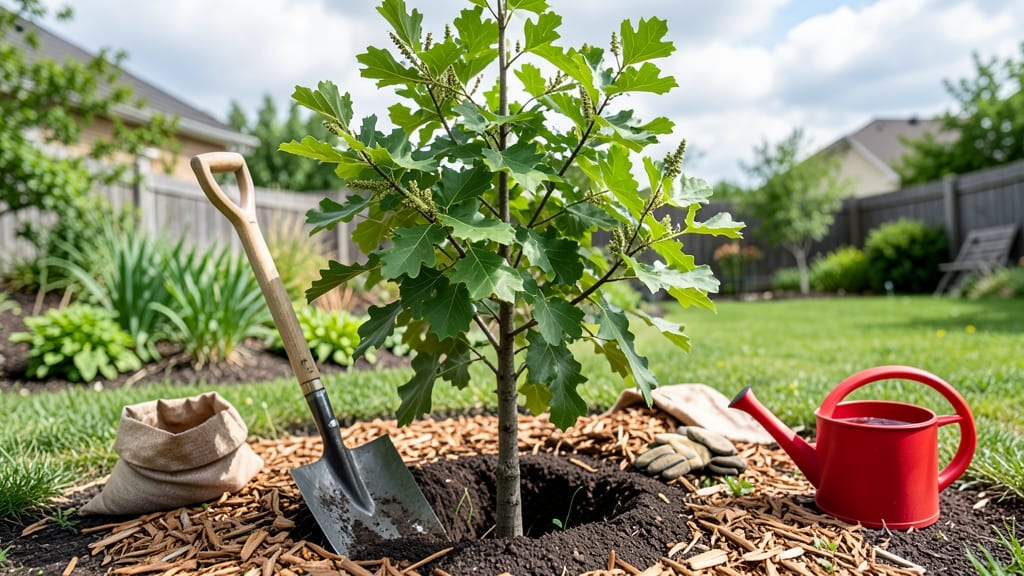
If you're wondering when is the best time to plant trees in Illinois, timing could be the key to your tree's success.
Planting a tree outside the optimal window in USDA Zones 5b-6b can leave it vulnerable to harsh winters or scorching summers, making all the difference between a healthy canopy and struggling roots.
Most Illinois gardeners know spring is ideal, but did you realize fall offers another prime opportunity? The best time to plant trees in Illinois actually spans two distinct windows—early spring and late summer/early fall—when soil temperatures and moisture levels create perfect conditions for root establishment.
In this guide, I'll break down the exact months that work best for your region, whether you're planting deciduous oaks or evergreen pines. You'll discover how to align your planting schedule with Illinois' climate quirks, from avoiding late frosts to maximizing moisture before winter sets in.
Ready to give your trees the best possible start? Let's dive into the science behind these planting windows and how you can apply them to your own yard—no guesswork required.
Best planting months for trees in Illinois by USDA Zone 5b/6a
Timing is everything when planting trees in Illinois, where USDA Zones 5b and 6a bring freezing winters and sweltering summers. The ideal windows are early spring and fall, when soil is workable but not extreme.
In Zone 5b, aim for March-April or September-October, while Zone 6a gardeners can extend slightly to May before summer stress sets in.
Evergreen trees like pine or spruce need early spring planting to establish roots before summer drought. Deciduous trees such as oak or maple thrive when planted in fall, giving roots time to settle before winter dormancy.
Avoid planting in late summer—high heat stresses young roots before they can adapt.
Here’s how Illinois’ microclimates affect timing: Northern regions (e.g., Chicago) have earlier frost dates, so plant 2-3 weeks earlier than southern areas (e.g., St. Louis). Always check your local last frost date—typically mid-April in most of Illinois.
Soil temperature is critical: Roots need 50°F+ soil to grow. Use a soil thermometer to confirm—cold soil in early spring can stunt root development. In fall, plant 4-6 weeks before frost to allow root establishment.
🌳 Best Planting Months for Trees in Illinois
| Season | Ideal Months | Soil Temp | Tree Type | Key Tip |
|---|---|---|---|---|
| Spring | March–April | 50°F+ | Deciduous, Evergreen | Plant before buds break |
| Fall | September–October | 50°F+ | Deciduous (best) | Avoid late October frost |
| Late Summer | August (risky) | 60°F+ | Evergreen only | Water deeply daily |
| Winter | December–February | N/A | None (dormant roots) | Avoid unless bare-root |
Bare-root trees—common in nurseries—must be planted immediately after purchase to prevent root desiccation. Soak roots in water for 1-2 hours before planting in spring or fall. Container-grown trees, however, offer more flexibility and can be planted anytime soil isn’t frozen.
Evergreens like blue spruce or white pine are exceptions—they need early spring planting to avoid summer transplant shock. Their shallow roots struggle in dry heat, so prioritize morning watering and mulch to retain moisture.
For fruit trees (e.g., apple or pear), fall planting is ideal—they establish roots before winter and flower earlier in spring. Avoid late fall planting near Chicago’s first frost (usually mid-October), as young roots won’t harden in time.
Microclimates matter: Urban areas like Chicago have heat islands that delay frost, while rural Southern Illinois may see earlier frosts. Use local weather data to adjust your planting window—aim for 60 days before first frost for fall plantings.
If you miss the optimal windows, don’t panic. Container-grown trees can handle late spring plantings (May) if given extra care: deep watering, shade cloth, and mulch. Just avoid July-August—the hottest months stress young trees most.
Remember: Root establishment is your goal. A tree planted in optimal conditions can grow 3x faster in its first year. With Illinois’ variable climate, precision timing ensures your tree thrives—not just survives.
How to prepare your Illinois garden for fall vs spring tree planting
Preparing your garden for tree planting in Illinois isn’t just about digging a hole—it’s about creating the perfect conditions for roots to establish before the first frost hits or summer heat arrives.
In USDA Zones 5b and 6a, the difference between spring and fall planting prep can determine whether your tree thrives or struggles. Let’s break down the seasonal steps to maximize survival rates.
For spring planting (March-April), focus on soil warming and moisture retention. The ground should be workable but not soggy—aim for 40-50°F soil temperatures. In contrast, fall planting (September-October) requires preparing the site 6-8 weeks before frost to allow roots to grow before dormancy.
Both seasons demand different approaches to soil prep, watering, and mulching.
🌱 Key Tip: Test your soil’s pH (ideal: 6.0-7.0) and amend with compost or aged manure before planting. Illinois clay soils often need organic matter to improve drainage.