
Plants
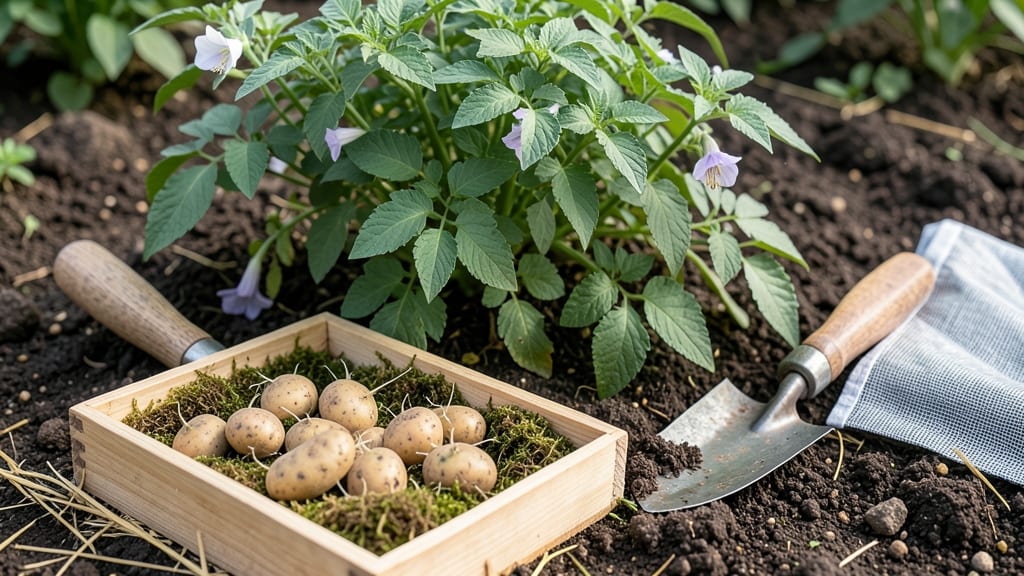
If you've ever wondered "when can you plant potatoes in Colorado", timing is everything—especially when your garden could be hit by late snow or early frost.
Colorado's elevation zones create a unique challenge, but with the right approach, you can grow bountiful 🥔 harvests whether you're in Denver or the high plains.
The key is planting after the last frost when soil temperatures hit 40°F, but not so late that your season gets cut short. I'll break down the exact windows for your elevation zone and share pro tips to avoid common mistakes that ruin yields.
From chitting your seed potatoes to choosing the right varieties for your area, this guide will help you maximize your harvest. Let's dive into the perfect planting schedule for Colorado gardeners.
Whether you're a first-time grower or a seasoned pro, these insights will help you time your plantings like a local expert. Ready to dig in?
Colorado potato planting dates by elevation zone (2024 guide)
Colorado’s three distinct elevation zones dramatically impact when you can safely plant potatoes. The Front Range (3,000–5,000 ft) enjoys warmer springs, while high plains (7,000–9,000 ft) face later frost risks. Timing your plantings based on elevation ensures healthy tubers and avoids frost damage.
For low-elevation areas like Denver or Colorado Springs, aim to plant 2–4 weeks after your last expected frost date. In mid-elevation zones (5,000–7,000 ft), like Fort Collins, wait until late May to early June when soil warms to 45°F.
High-altitude gardeners should plan for June plantings to avoid late frosts.
Soil temperature is critical—potatoes thrive when soil reaches 45–55°F. Use a soil thermometer to confirm readiness. Cold soil slows germination, leading to poor yields or rot. In Colorado’s unpredictable climate, flexible planting dates are key to success.
Here’s your elevation-specific planting guide for 2024, including last-frost averages and ideal soil conditions:
If you’re unsure about your last frost date, check the National Weather Service or local Cooperative Extension office. For example, Denver averages its last frost around April 20, while Steamboat Springs often sees frost until May 25.
Planting too early risks frost-killed sprouts, while late plantings may not mature before fall frosts.
For high-altitude gardeners, consider chitting potatoes (pre-sprouting) 4–6 weeks before planting. This gives you a 2-week head start on growth. Place seed potatoes in a cool, bright location (like a sunny windowsill) to encourage sprouts. Avoid direct sunlight, which can scorch the tubers.
Another pro tip: Succession planting every 2 weeks extends your harvest window. Plant early-maturing varieties first (like Red LaSoda, which matures in 60–70 days), followed by mid-season types. This ensures a continuous supply of fresh potatoes from summer through fall.
Remember, Colorado’s unpredictable weather means flexibility is key. Monitor your garden closely, and don’t hesitate to cover plants with row fabric if late frosts threaten. With the right timing, you’ll enjoy homegrown potatoes from July through October!
How to extend your Colorado potato growing season (frost-proofing tips)
Colorado’s unpredictable spring frosts can derail even the best-laid potato planting plans. But with the right strategies, you can safely extend your growing season by 3-4 weeks—enough time to grow early varieties like Yukon Gold or Red Pontiac in high-altitude areas.
The key is combining physical protection with smart planting techniques.
First, focus on soil warmth before planting. Use a soil thermometer to confirm temperatures reach at least 45°F (7°C)—this prevents rot in cold soil.
In high-elevation zones (7,000+ ft), this might mean waiting until late May or early June, while Front Range gardeners (5,000–7,000 ft) can plant as early as mid-April under protection.
🌱 Frost-Proofing Tip: Start with chitted potatoes (sprouted in indirect light for 4–6 weeks) to jumpstart growth. Place them in 50°F (10°C) soil—they’ll sprout faster than untreated seed potatoes, giving you a head start on the season.
- 🛡️ Row Covers: Use floating row covers to raise soil temps by 5–8°F and protect from late frosts. Secure edges with bricks or soil to prevent wind damage.
- 🌡️ Cold Frames: Build a low-tunnel cold frame (PVC pipes + plastic sheeting) to create a microclimate 10°F warmer than ambient temps. Ideal for high-altitude gardens.
- 📅 Succession Planting: Stagger plantings every 2 weeks for a continuous harvest. Early varieties like Red LaSoda (60 days) can be planted in April, followed by mid-season types in May.
- 🌱 Container Gardening: Grow potatoes in deep containers (12"+ depth) and move them to warmer microclimates (near south-facing walls) when nights dip below 40°F (4°C).
- 🌿 Mulching: Apply 6–8 inches of straw or grass clippings after sprouts emerge. This insulates soil, keeps temps stable, and deters weeds—critical for short-season varieties.
For gardeners in Denver or Boulder (5,000–6,000 ft), combine row covers with black plastic mulch to warm soil faster. Remove covers when tuber formation begins (flowers appear) to prevent overheating.
In Fort Collins or high plains (7,000+ ft), prioritize cold-hardy varieties like Kennebec or Russet Burbank and use cold frames for early starts.
Monitor local frost forecasts via Colorado State University Extension or NOAA alerts. If a hard freeze (<28°F/-2°C) is predicted, cover plants with burlap sacks or old blankets—even young potatoes can survive brief cold snaps if protected. Remember, prevention is easier than recovery after frost damage.
Pro tip: Plant potatoes near corn or beans to improve soil structure and deter pests like the Colorado potato beetle. This companion planting trick also extends your season by creating a healthier root zone for faster growth.