
Plants
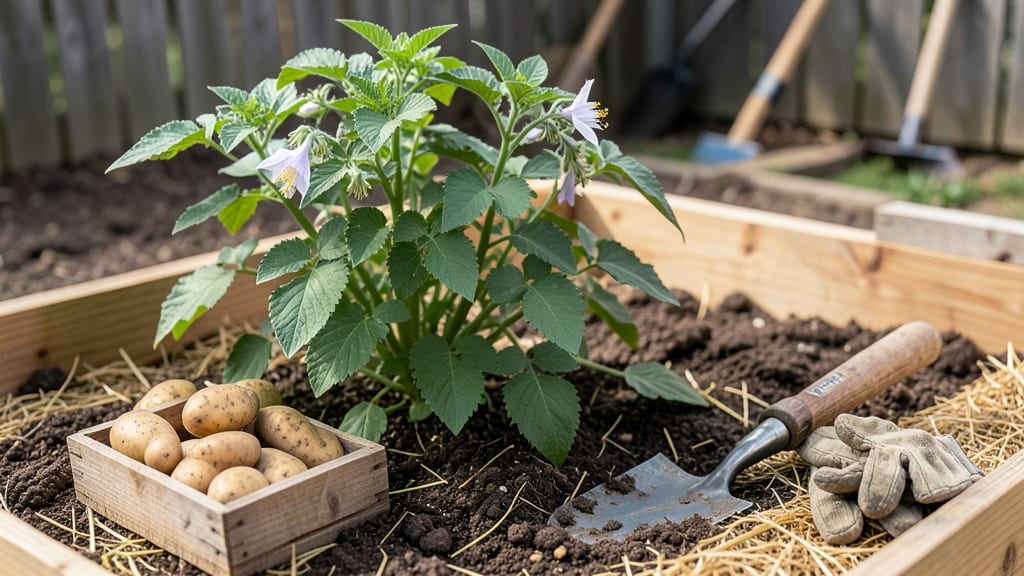
Timing when do you plant potatoes in Colorado wrong could mean the difference between a bumper crop of 🥔 and a sad, shriveling harvest.
With frost dates shifting from mid-April in Denver to early May in Grand Junction, getting it right takes more than just a calendar—it requires knowing your microclimate.
Most Colorado gardeners assume they should wait until soil warms to 45°F, but that’s not the whole story. Early varieties like Yukon Gold can handle cooler temps, while late plantings risk blight from Colorado’s infamous summer storms.
The key? Planting 2-4 weeks before your last frost—but with adjustments for elevation and soil type.
I’ve grown potatoes in both the Front Range’s rocky soil and the Western Slope’s sandy loam, and I’ll show you exactly when to start seeds indoors (or chit your seed potatoes) to beat the 5-7 USDA zone challenges.
Plus, I’ll cover how to use row covers to extend your season by 3-4 weeks—critical for short-season areas like Boulder.
Ready to turn your garden into a potato powerhouse? Let’s dive into the exact planting windows, regional tweaks, and pro tips that’ll have you harvesting golden, hail-resistant spuds by summer.
Colorado’s last frost dates by region: exact weeks to plant potatoes for peak yield
Colorado’s diverse elevations create three distinct potato planting zones, each with its own last frost date and ideal planting window.
The Front Range (Denver, Boulder) typically sees its last frost in mid-April to early May, while the Western Slope (Grand Junction, Durango) enjoys a 2-3 week earlier window. The Eastern Plains (Pueblo, Colorado Springs) fall somewhere in between, with late April to early May being critical.
To maximize your harvest, aim to plant 2-4 weeks before your region’s last frost date. This gives tubers time to establish roots before soil warms to 45°F+, the threshold potatoes need to sprout consistently.
For example, in Denver (USDA Zone 5b), that means planting between March 15 and April 1, while Grand Junction (Zone 6a) gardeners should start 2 weeks earlier.
Here’s how Colorado’s regions break down for optimal potato planting, based on historical frost data from Colorado State University:
For early harvests, plant chitting potatoes (pre-sprouting in egg cartons) in late February. This gives you a 3-4 week head start on the season, perfect for new potatoes or chipping potatoes like Yukon Gold. Just be prepared to use frost blankets if temperatures dip below 32°F.
If you’re growing for storage potatoes (like Russets), aim for a late-May planting to avoid early blight, a common issue in Colorado’s humid summers. The trade-off? You’ll harvest 2-3 weeks later but with larger tubers and better storage life.
Pro tip: Use Colorado State University’s Frost/Freeze Probability Tool to check 10-year averages for your exact ZIP code. It’s free and accounts for microclimates that can shift frost dates by 1-2 weeks.
In high-altitude areas like Leadville (Zone 4), wait until May 1 to plant, as late frosts are more common. For low-desert areas like Alamosa (Zone 6), you can push planting to March 1 safely. Always monitor soil temperature—potatoes won’t sprout until it hits 45°F+.
For container growing (ideal for short seasons), use 5-gallon buckets filled with well-draining soil. Plant in late April and place containers in a sunny, sheltered spot to protect from hail—a common Colorado hazard.
Remember: Late plantings after May 15 risk smaller yields due to Colorado’s short growing season. But with the right timing and variety, you can enjoy homegrown potatoes from June through August!
3 Critical factors that determine your planting window (and how to adjust)
Timing your potato planting isn’t just about avoiding frost—it’s about soil temperature, elevation, and even the type of seed you use. In Colorado, these three factors can shift your ideal planting window by 4-6 weeks depending on where you live.
Let’s break down how to calculate your perfect window using local data.
First, soil temperature is your biggest clue. Potatoes need soil that’s consistently 45°F or warmer to sprout properly. In Denver’s USDA Zone 5b, this typically happens around mid-April, but in Grand Junction’s Zone 7a, you could plant as early as late March.
Use a soil thermometer to confirm—planting too soon in cold soil leads to rotten seed potatoes and wasted effort.
Next, elevation matters more than latitude in Colorado. A garden in Boulder (5,430 ft) might have 2-3 weeks later frost-free dates than one in Colorado Springs (6,035 ft), even though they’re only 40 miles apart.
Check your local Colorado State University frost maps or use the National Weather Service’s frost calendar for precise dates.
- Soil Temperature Threshold
Ideal: 50-60°F (10-15°C)
Tool: Soil thermometer (borrow or buy for $10)
Grand Junction: Late March
Aspen: Early May
Pro Tip: Use black plastic mulch to warm soil faster
Third, seed vs. seed potatoes changes everything. True seeds (from seed companies) can handle earlier planting because they’re smaller and less prone to rot. But seed potatoes (whole or cut pieces) need warmer soil and should wait until 2-3 weeks after your last frost date.
If you’re using seed potatoes, chit them indoors (sprout in light) for 4-6 weeks before planting to give them a head start.
For high-altitude areas like Steamboat Springs or Leadville, consider container growing. Pots warm up faster and let you plant 3-4 weeks earlier than in-ground beds.
Just use a lightweight potting mix and add compost for drainage. Containers also help avoid hail damage, a common Colorado issue for late-season potatoes.
Finally, adjust for your potato type. Early varieties like Red Norland (90 days) can handle earlier planting, while Russet Burbank (120 days) needs a longer season. If you’re growing for storage, plant your main crop 2-3 weeks after your early varieties to stagger harvests and avoid glut.
Pro tip: Bookmark the Colorado Climate Center’s frost maps and set reminders for your local last frost date. Then, count backward 2-4 weeks based on your soil’s readiness. With these adjustments, you’ll beat Colorado’s unpredictable weather and double your potato yield this season. 🌱