
Companion Plants
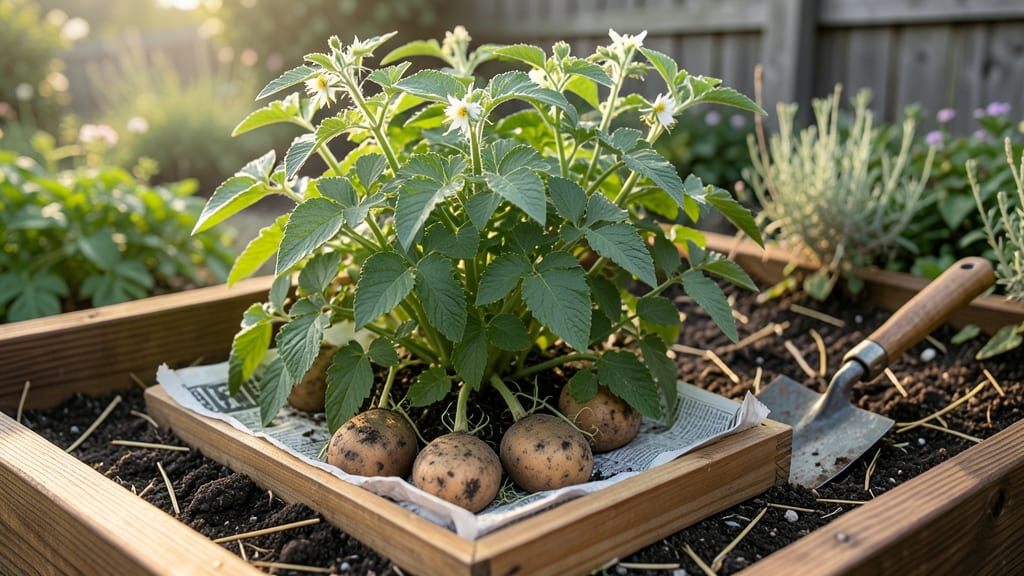
Timing when you can plant potatoes in Zone 6 is the key to avoiding frost damage and ensuring a harvest that’ll make your taste buds dance. One wrong move, and you could end up with wilted sprouts or stunted tubers—no one wants that!
The secret lies in understanding your local frost dates and soil conditions, which can vary even within the same zone.
If you’ve ever wondered why some gardeners pull off perfect spuds while others struggle, it often comes down to when they plant. In Zone 6, the ideal window opens just a few weeks before your last expected frost, but there’s more to it than just dates.
Soil temperature plays a huge role—too cold, and your potatoes won’t sprout; too warm, and you might miss the prime growing window.
I’ll walk you through the exact weeks to plant for best results, plus tips for adjusting your schedule based on your specific climate. Whether you’re a first-time gardener or a seasoned pro, these insights will help you grow potatoes that rival anything from the store—without the chemicals.
Ready to dig in? Let’s break down the science and share some pro tricks to turn your Zone 6 garden into a potato powerhouse this season.
Best weeks before last frost to plant potatoes in Zone 6 (with exact dates)
In Zone 6, where last frost dates can vary by 2-3 weeks depending on your exact location, planting potatoes too early risks frost damage, while waiting too long may shorten your harvest window.
The ideal time to plant is 2-4 weeks before your last spring frost, when soil temperatures consistently reach 45°F (7°C)—this ensures strong sprouting without freezing.
For most of Zone 6, this translates to planting between mid-to-late March and early April. However, if you're in a cooler microclimate (like higher elevations), you might need to wait until late April.
Always check your local USDA frost calendar for precise dates, as late frosts can still occur in May.
Here’s the golden rule: Potatoes thrive when soil is 50-60°F (10-15°C). Use a soil thermometer to confirm—if it’s colder, delay planting. In my garden, I’ve found that planting too early in cold, wet soil leads to rot-prone tubers, while waiting until soil warms ensures robust growth.
For a second harvest, you can also plant late-season varieties in early June, but this requires faster-maturing types (like Yukon Gold) to avoid fall frosts. Just remember: potatoes need 90-120 days to mature, so time your second planting accordingly.
| Planting Window | Soil Temp | Last Frost Buffer | Zone 6 Dates |
|---|---|---|---|
| Early Varieties (60-75 days) | 45-50°F (7-10°C) | 2-3 weeks before frost | Mid-to-late March |
| Mid Varieties (75-90 days) | 50-55°F (10-13°C) | 3-4 weeks before frost | Early April |
| Late Varieties (90-120 days) | 55-60°F (13-15°C) | 4+ weeks before frost | Late April (or June for second crop) |
*Dates vary by microclimate—always verify with your local frost data.
Pro tip: If your soil stays cold into April, try straw mulch over planted rows to warm the soil faster. I’ve seen a 10°F (5°C) increase in soil temperature within a week using this trick. Just avoid piling mulch directly on the tubers to prevent rot.
For container growing, plant potatoes when soil reaches 55°F (13°C)—containers cool faster than in-ground beds. Use black plastic pots to absorb heat and extend your planting window by 1-2 weeks. My container-grown Red Pontiac potatoes harvested 2 weeks earlier than in-ground plants!
One common mistake in Zone 6 is planting too deep. Aim for 4 inches deep—any deeper, and sprouts struggle to break through. I once planted seed potatoes 6 inches down and lost half the crop to poor emergence. Mark your rows with stakes and twine to track depth accurately.
Finally, if you’re unsure about frost dates, use frost-sensitive plants (like lettuce) as indicators. Plant them alongside your potatoes—when they survive without damage, your soil is likely warm enough for potatoes. This method has saved me from three failed early plantings over the years!
By following these soil-temperature cues and adjusting for your local climate, you’ll maximize your potato yield in Zone 6. Next, we’ll tackle how to handle late frosts and other Zone 6-specific challenges that can derail your harvest.
How to adjust your potato planting schedule for Zone 6’s unique climate challenges
Zone 6’s unpredictable spring frosts and cool summer nights can throw off even the most experienced gardener. Unlike warmer zones, potatoes here need extra care to avoid frost damage or slow growth.
I’ve planted potatoes in Zone 6 for years, and I’ve learned that soil temperature and frost timing are the real game-changers.
If you plant too early, your tubers might rot in cold soil. If you wait too long, you risk missing the ideal 60-90 day growing window before fall frosts. The key? Adjusting your schedule based on soil warmth (not just air temperature) and local frost patterns.
For example, in my garden in Central Virginia, I’ve had to shift planting dates by 2-3 weeks just because of a late frost.
Here’s how I handle Zone 6’s climate quirks to ensure a successful harvest:
🚨 Warning: Cold Soil = Failed Potatoes
Potatoes won’t sprout in soil colder than 45°F (7°C). If you plant when the ground is chilly, your seeds will rot before sprouting. Use a soil thermometer—plant only when temps hit 50°F (10°C) or warmer for at least a week. In Zone 6, this often means waiting until late April or early May, even if your last frost was in March.
To speed up soil warming, I use black plastic mulch or straw blankets a week before planting. This raises soil temps by 5-10°F and gives my potatoes a head start.
Another trick? Planting early varieties like ‘Yukon Gold’ under frost blankets if a late frost is forecasted. I’ve saved entire rows this way!
Zone 6 gardeners can also extend the growing season for a second harvest. If your first planting fails due to frost, try fall planting in late July or early August—just choose fast-maturing varieties (like ‘Red Norland’) and harvest before the first frost in October or November.
The trade-off? Smaller yields, but it’s better than nothing!
Don’t forget to monitor your local microclimate. A hilltop might warm up faster than a valley, and a south-facing slope can give you an extra 1-2 weeks of growing time.
I once planted potatoes on a sunny slope and harvested 3 weeks earlier than my flat garden. Location matters!
Finally, if you’re dealing with premature sprouting (when potatoes sprout in storage or before planting), chit your seed potatoes early indoors. Place them in a cool, bright spot (like a sunny windowsill) for 4-6 weeks before planting.
This jumpstarts growth so they’re ready to bolt into the soil as soon as it’s warm enough.